Welcome to

Mobile tyre fitting · North West & North Wales · We fit around you

Approved by the AA and RAC. No call-out charge. Around 32 minutes on average, 24 hours a day.
info@yournewtyres.co.ukTell us your name and tyre size — we will reply on WhatsApp with a price and an ETA.
Wheel balancing typically costs around £10 a wheel at a UK tyre centre and is normally included when a new tyre is fitted. We balance wheels on the van at your home or work with a computerised spin balancer, quote a fixed price for the car before we set off, and charge no call-out fee. Most cars are done in under half an hour.
The sign is specific: a shake through the steering wheel at one speed, usually somewhere between 50 and 70mph, that smooths out if you go faster or slower. A front wheel is felt through the wheel, a rear wheel through the seat. It is constant at that speed and does not change when you brake or corner, which is how it is told apart from a warped disc, a worn bearing or an alignment fault, which pulls at every speed rather than shaking at one.
Balancing corrects the weight distribution of the wheel and tyre together so it spins true. The wheel comes off, goes on the balancer, the machine spins it and shows where and how much weight to add, and zinc or steel weights go on: clip-on for steel rims, stick-on inside the rim for alloys so nothing shows on the face. Lead weights have been banned on new cars since 2005. Every tyre we fit is balanced as part of the job, and a shake that started after tyres fitted elsewhere is almost always balancing that was missed.
What we also check is what the balancer cannot fix. A rim buckled by a pothole, a tyre with a bulge or a flat spot from being run flat, or a tyre already scalloped by months of vibration will still shake with new weights on, and we tell you which you have rather than sending you away with the same problem. Left alone, an out of balance wheel scallops the tyre and wears the bearing and the suspension joints early; see uneven tyre wear for the pattern it leaves. Send the make and model on WhatsApp for a fixed price.
Make, model and year, the speed the shake appears at, and whether you feel it in the wheel or the seat. It lands with the fitter on shift with the balancer on the van.
You are through to YourNewTyres. What is the car, and at what speed does it shake?
Send the make, model and year and where the car is. I will come back with a fixed price to check the rims and balance every wheel.
If it shakes under braking rather than at one speed, say so, because that is a different fault.
Opens WhatsApp with your message ready to send
Three ways it usually happens, and what actually needs to happen next.
You have pulled onto the M62 hard shoulder with a shredded tyre, no spare and a phone at 9 per cent. The recovery truck wants two hours. We come to the car with the tyre on the van.
You come out to the drive and one tyre is flat to the rim. The garage opens at half eight and cannot look at it until Thursday. We fit it on the drive before the school gates open.
A work van with a nail in a rear tyre is a day of jobs cancelled. We come to the yard or the site, before the first job if you send the size tonight.
A wheel that is balanced stays balanced until something changes. These are the changes we find most.
Stick-on weights are held by tape, and a pressure washer or a pothole can take one off. The wheel was fine last month and shakes this month. A rebalance is the whole cure, and it takes a few minutes.
The commonest fault after tyres fitted cheaply elsewhere. A new tyre is never perfectly uniform, and fitted without balancing it shakes from the first motorway drive. Every tyre we fit is balanced as part of the job.
A pothole hard enough to dent the inner rim edge leaves a wheel that will not balance however much weight goes on. It shows on the machine straight away. Mild buckles can be straightened; cracks cannot.
A bulge from a kerb, a flat spot from being run flat or parked for months, or a belt that has shifted inside the casing all shake regardless of weights. We check the tyre before we balance it, not after.
A tyre scalloped by an old balance fault, or worn on one edge by bad alignment, has changed shape and changed balance. Rebalancing helps for a while; the tyre is on its way out.
A lump of packed mud or ice inside the wheel is a balance weight in the wrong place. Common on 4x4s and vans in winter. Washing it out fixes it, and it is worth checking before anything else is condemned.
Half of what circulates about a shaking steering wheel sends people to the wrong repair.
Tracking causes a pull and uneven wear at every speed. A shake in one speed band is balance. If you have both, the car needs both, and we do them in the same visit.
A shake that appears or gets worse under braking is a warped brake disc, not a wheel. Balancing will not touch it. Tell us when it happens and we will point you at the right repair.
True until a weight falls off, a tyre wears unevenly or a pothole moves things. Rebalance at every tyre change and whenever a shake appears between changes.
The opposite. Big, heavy wheels on low-profile tyres are the most sensitive to a few grams out and lose stick-on weights most easily. They are the wheels most worth rebalancing when they come off.
The balancer on our van is the same computerised spin balancer a tyre centre uses. It runs off the van and balances steel and alloy wheels on your drive.
Budget tyres and heavy wheels often need more weight than premium ones. It is not a fault, as long as the weight is placed where the machine says. A wheel that will not balance at all is the one to worry about.
A few minutes per wheel once we are with the car. Most cars are done in under half an hour.
Make, model and year on WhatsApp, plus the speed the shake appears at and whether you feel it in the wheel or the seat. A fixed price comes back.
Each wheel is inspected for a buckle, a bulge, a flat spot or scalloped wear before it goes on the machine, because none of those faults balance out.
The computerised balancer spins the wheel and tyre and shows where and how much to add. Clip-on weights on steel rims, stick-on inside the rim on alloys.
Wheels torqued by hand to the maker's figure, pressures set to the door plate, and a run up to the speed the shake lived at to prove it has gone.
 Spread the cost of your tyres
If the check shows a tyre already scalloped or bulged, a new pair or a full set can be spread at 0% interest on two tyres or more, subject to status, balanced and fitted at the same visit.
A wheel and tyre together weigh around 20 kilograms and turn about 800 times a mile at motorway speed. If the mass is even a few grams heavier on one side, that side is flung outwards on every turn, and at one particular speed the flinging matches the natural bounce of the suspension and you feel it through the steering. Balancing finds the heavy spot and cancels it. What follows is how the machine does that, why alloys are done differently, and what balancing cannot cure.
The wheel is mounted on the balancer's shaft, spun to speed, and sensors in the shaft measure the tiny forces the imbalance produces in two planes, inner and outer. The screen shows the fitter exactly how many grams to add and at what position on each side of the rim. Weights go on, the wheel is spun again to confirm, and the residual is usually under five grams. The whole cycle takes a couple of minutes. Wheels without a centre bore, common on Peugeot and Citroen, are mounted on a bolt-pattern adaptor instead of the centre cone, because a wheel spun off its true centre gives a wrong reading and a car that still shakes.
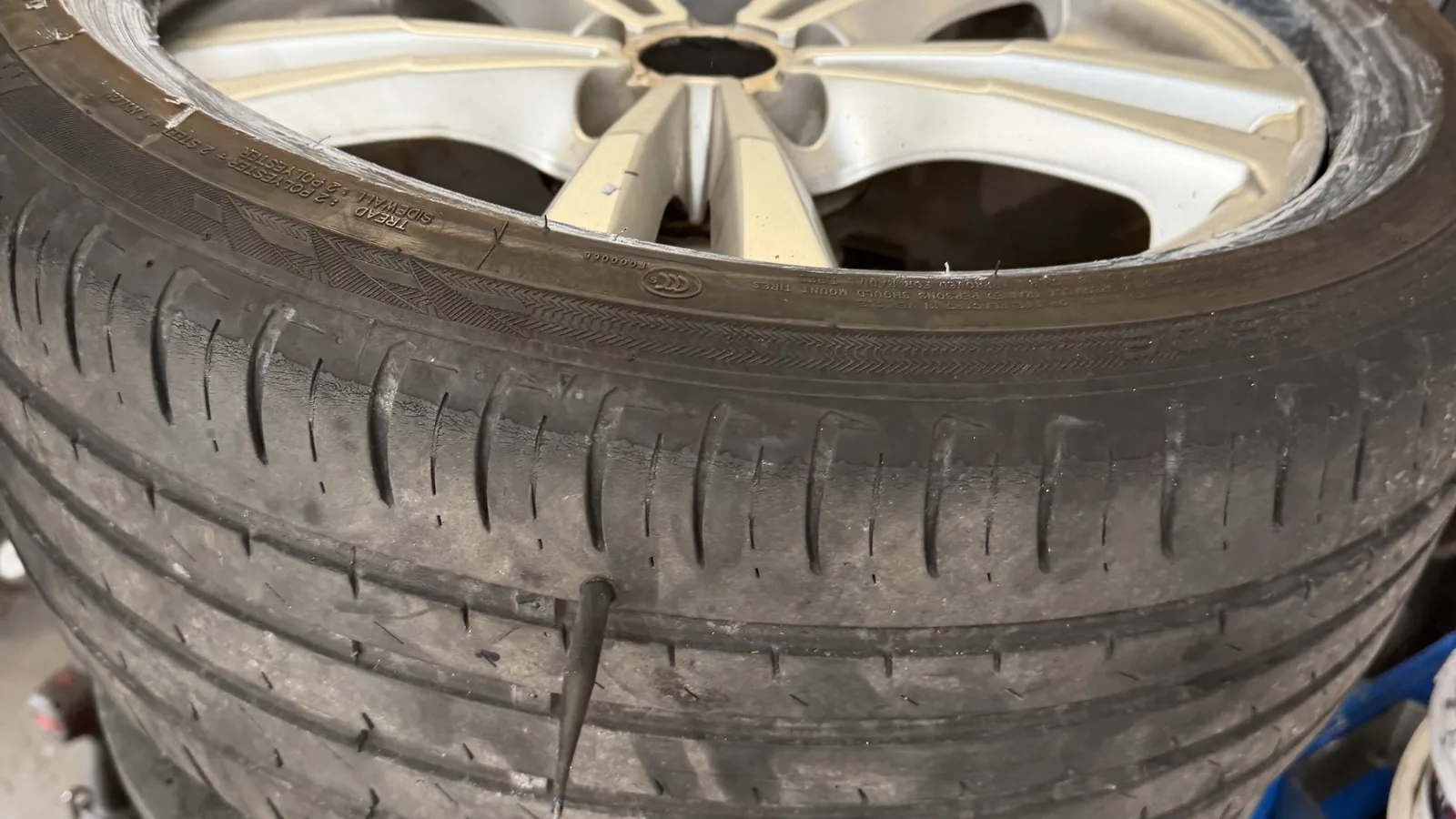
Steel wheels take clip-on weights hammered onto the rim edge, quick and secure. Alloys take stick-on weights placed on the flat inside the rim, so nothing shows on a painted or diamond-cut face; they take slightly longer and are the ones a pressure washer can remove. Both are zinc or coated steel now, because lead wheel weights were banned on new vehicles in the EU from July 2005. Zinc is lighter than lead, so a zinc weight for the same correction is physically bigger, which is why modern weights look larger than they used to. The balancer allows for all of it; the skill is in placing the weight exactly where the machine says.

A wheel that will not come into balance however much weight is added is a wheel that is no longer round: a rim buckled on a pothole, a tyre with a bulge where the casing has broken, or a flat spot from being run flat or parked for months on the same patch. The balancer shows it straight away. A tyre that has already been scalloped by months of vibration will balance, but the tread is damaged and the tyre is on its way out. And a shake that lives under braking, or changes when you corner, is a disc or a bearing, not a wheel. We check for all of it before we put weights on, because new weights on a buckled wheel fixes nothing and costs you a second visit.
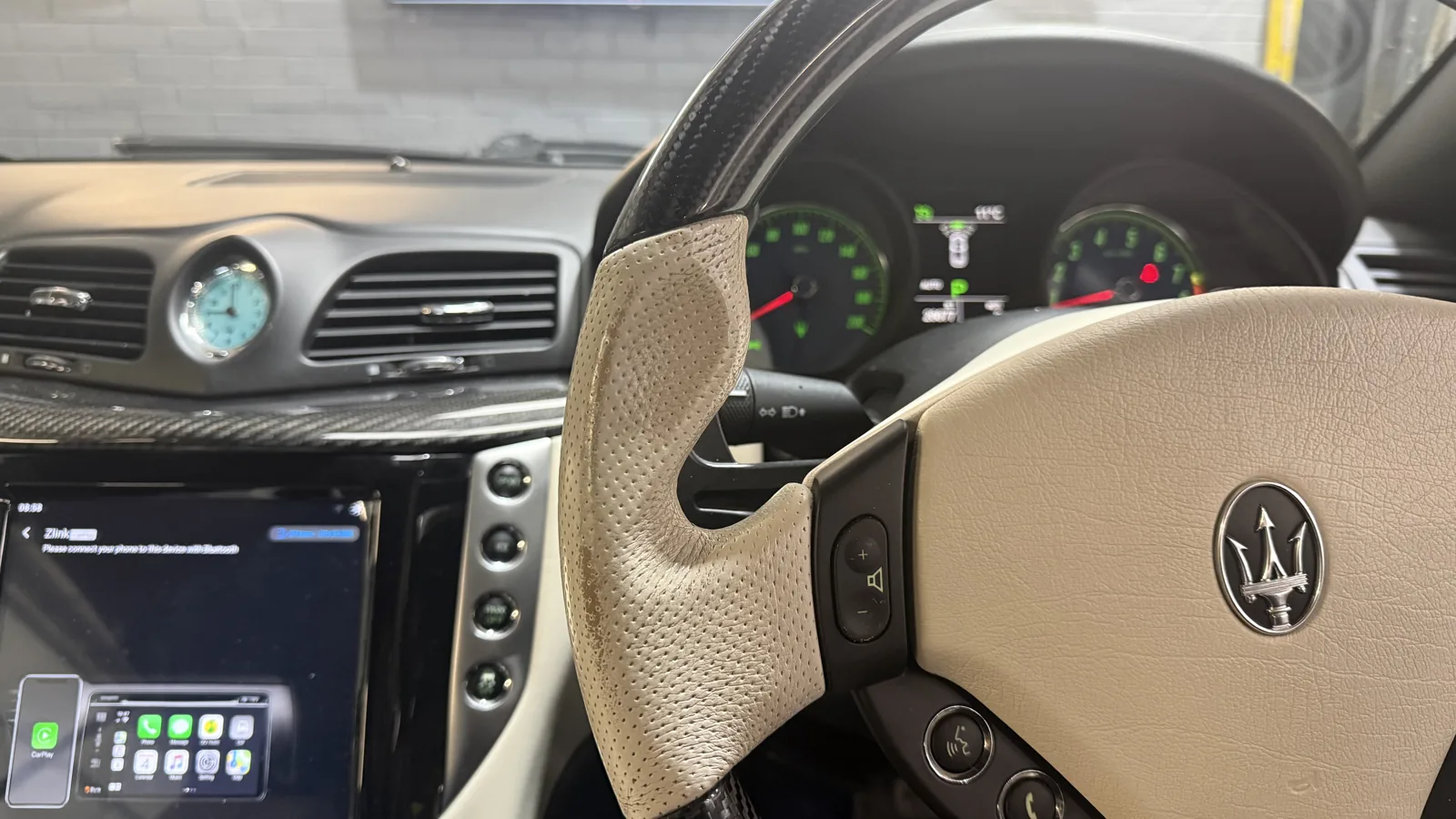
The guides that answer the question behind the question.
 Wheel balancing explainedWhat it is, and why you feel it through the wheel at 60mph.Read the guide →
 Wheel alignment and trackingThe other half of a straight, smooth car.Read the guide →
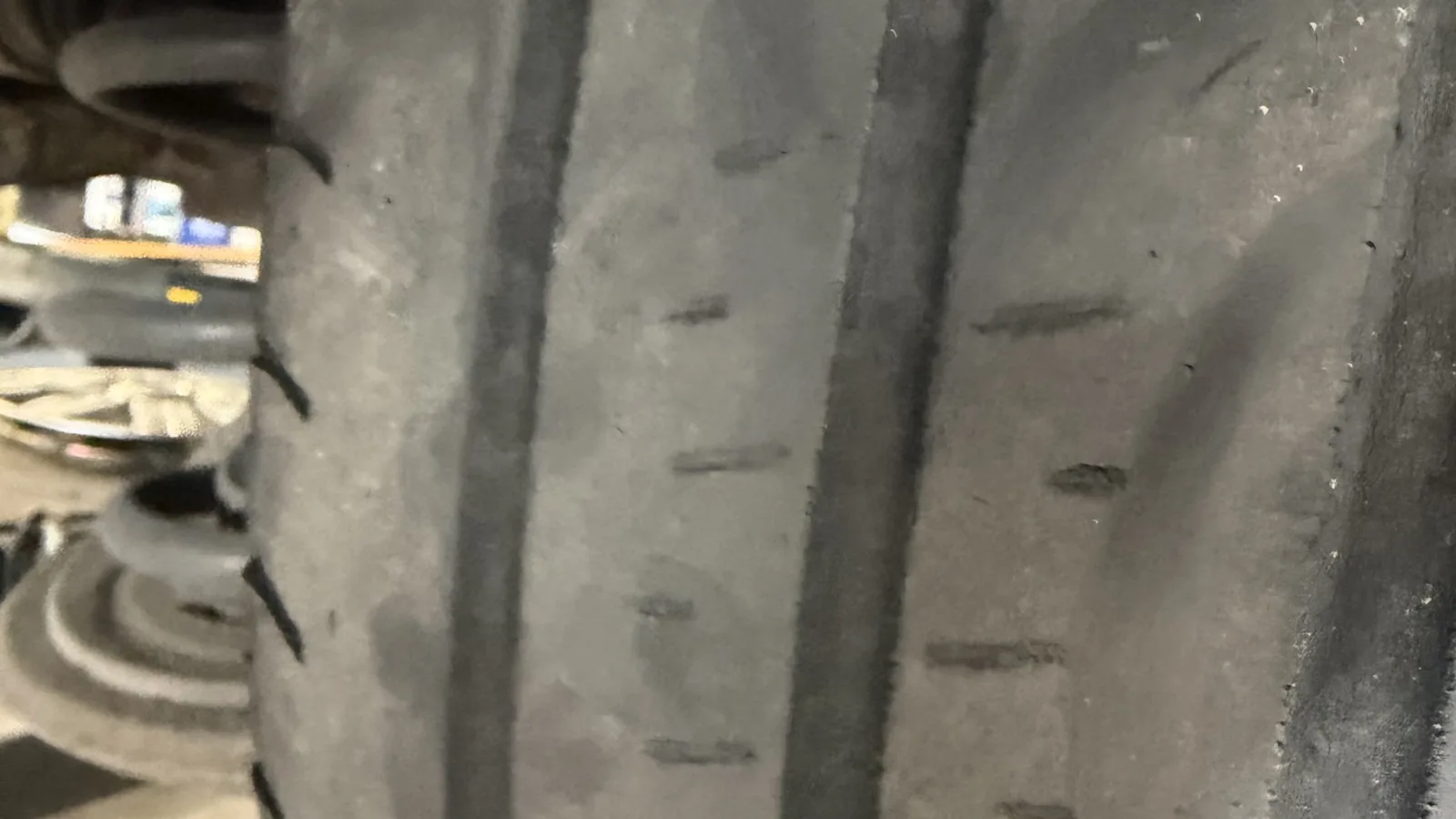 Uneven tyre wearRead the pattern on the tread and find the fault behind it.Read the guide →
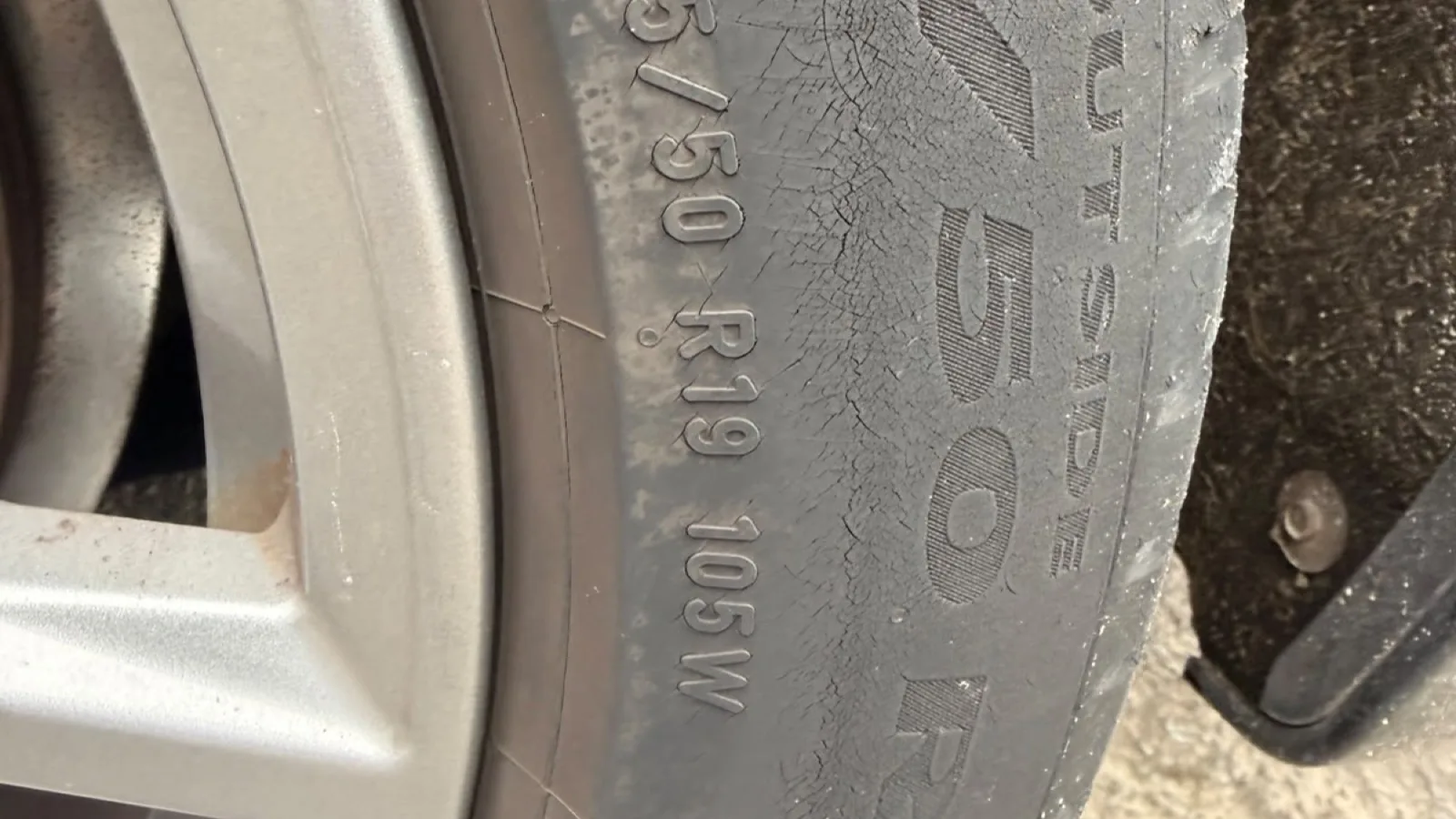 Pothole damage: spot it and claimBuckled rims, bulged tyres and how to claim the cost back.Read the guide →
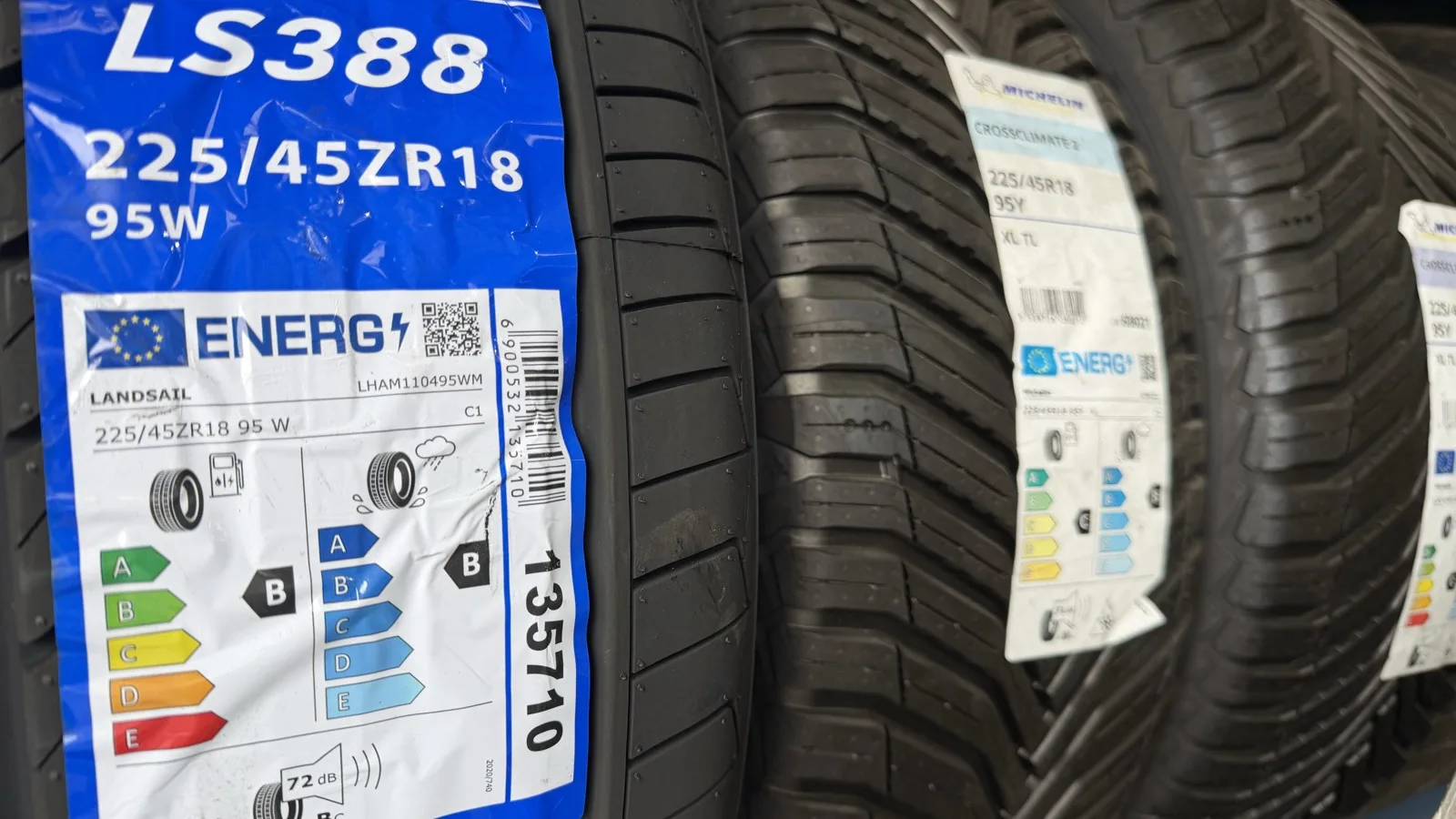 Low-profile tyres: worth it?Sharper steering against potholes, bent rims and balance weights.Read the guide →
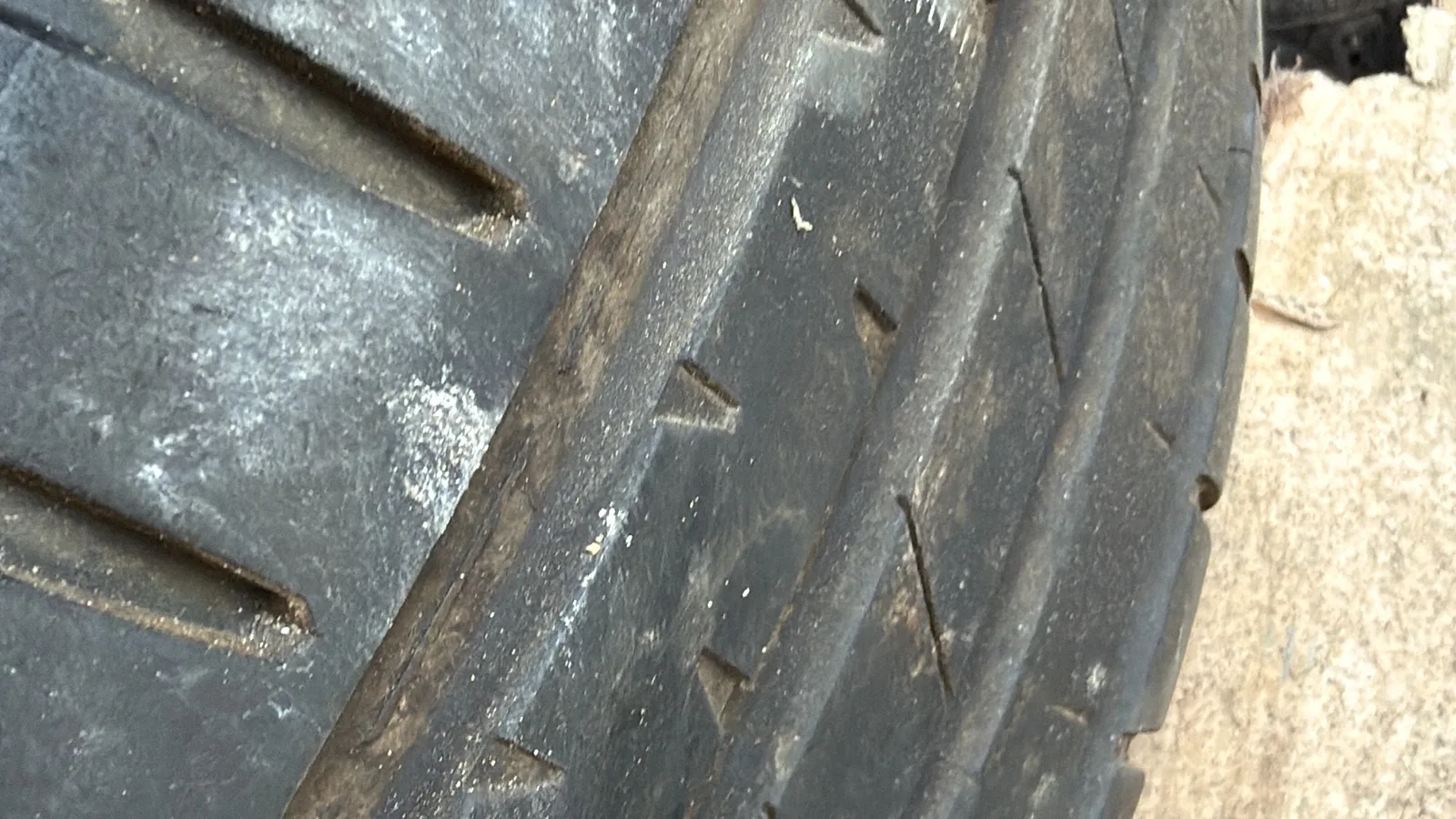 How to check your tyresThe five minute check that beats an MOT advisory.Read the guide →
4.4★★★★★average rating on Google
Stranded in a car park with no spare! Called and they came within the hour, changed the tyre and was on my way 20 minutes later. Great service, delighted they made it so easy.
Brilliant service, same day, quick and easy. Was really rushed for time and they moved things around to ensure they got to me to get it fixed. Would defo recommend
Got us out of an unfortunate place of a Luton van blowout, super quick helpful and fairly priced!
Send the make, model and year on WhatsApp and tell us the speed it appears at. We will come to the car, check the rims and tyres, balance every wheel that needs it and prove the shake has gone on a road test. Fixed price before we set off, no call-out charge, 24 hours a day.
The van is on shift right now. Common sizes are on board, and the price is the same at midnight as it is at midday.
What drivers actually ask us about a shake at speed.
Wheel balancing typically costs around £10 a wheel at a UK tyre centre, so £20 for a pair and £40 for all four, and it is normally included in the price when a new tyre is fitted. We balance wheels on the van at your home or work, quote a fixed price for the car before we set off, and charge no call-out fee.
The variables are small but real. Steel wheels take clip-on weights and are quick; alloys take stick-on weights placed inside the rim so nothing shows, which takes a little longer. Wheels without a centre bore, common on Peugeot and Citroen, need centreless balancing on the bolt pattern, and some very large or heavy wheels take longer to spin up and correct.
What balancing saves is disproportionate to what it costs. A wheel a few grams out shakes the steering at motorway speed, and that vibration is being fed into the tyre, the wheel bearing, the track rod ends and the shock absorber thousands of times a mile. Tyres worn into a scalloped pattern by an out-of-balance wheel are not repairable, and a bearing that has been shaken for a year is a repair bill many times the balancing.
If the shake started after new tyres were fitted elsewhere, the balancing was either missed or done badly, and rebalancing is the whole cure. Send the make and model on WhatsApp for a fixed price, or call 0300 124 6981. See wheel balancing explained for what the machine is actually doing.
A wheel that needs balancing shakes at a particular speed, usually somewhere between 50 and 70mph, and smooths out if you go faster or slower. A front wheel out of balance is felt through the steering wheel; a rear wheel is felt through the seat and the floor. The shake is constant at that speed and does not change with braking or cornering.
That speed band is the giveaway, and it is how balance is told apart from the other causes of vibration. A pull or a crooked steering wheel is alignment, not balance. A shake that gets worse when you brake is a warped brake disc. A shake that changes when you corner is usually a wheel bearing or a worn suspension joint. Balance is speed and nothing else.
Look at the tyre as well. A tyre that has been running out of balance for a while develops a cupped or scalloped wear pattern around its circumference, bald patches at regular intervals, because the tyre is being bounced against the road rather than rolled along it. Once that pattern is in the tyre, balancing stops the shake but the tyre is on its way out.
If the shake appeared straight after new tyres, a puncture repair or a pothole, it is almost always balance. If it appeared gradually over months, have the bearings and joints checked at the same visit. See uneven tyre wear for what each pattern means.
Yes, a proper mobile tyre fitter balances every wheel they fit, because a new tyre fitted without balancing shakes at motorway speed from day one. We carry a wheel balancer on the van, the same type of machine a garage uses, and every tyre we fit is balanced before it goes back on the car. Balancing on its own, without a tyre, is a job we do too.
The balancer spins the wheel and tyre together and measures where the weight is unevenly distributed, then tells the fitter how much weight to add and where. Weights are clip-on for steel wheels and stick-on inside the rim for alloys, so nothing is visible on a painted or diamond-cut face. The whole thing takes a couple of minutes per wheel once the wheel is off the car.
A fitter who skips balancing is saving two minutes and costing you a tyre. It is also the commonest reason a car comes to us shaking after a cheap tyre fitted elsewhere. Rebalancing fixes it, provided the tyre has not already been scalloped by months of vibration.
Winter wheel swaps, puncture repairs and wheels that have lost a weight on a pothole all need balancing too. See mobile tyre fitting for everything that happens when we fit a tyre at your door.
Wheel balancing corrects the weight distribution of a wheel and tyre so it spins smoothly, and it cures a shake at speed. Wheel alignment corrects the angles the wheels sit at relative to the car and each other, and it cures a pull, a crooked steering wheel and uneven tyre wear. They are different jobs with different equipment, and a car can need one, the other, or both.
Balancing is done with the wheel off the car on a spinning balancer. It has nothing to do with how the wheel is bolted on or which way it points; it is purely about the mass of the wheel and tyre being even around the axle. A wheel is balanced once when a tyre is fitted and again if it loses a weight or the tyre wears unevenly.
Alignment is done with the wheels on the car, measuring toe, camber and caster against the manufacturer's figures and adjusting the track rods. It changes after potholes, kerbs and worn suspension parts, and it shows up as a drift, a wheel that sits off centre, or one edge of a tyre wearing faster than the other.
The confusion comes because both are sold at the same counter and both cause tyre wear. The test is simple: a shake at one speed is balance; a pull at every speed is alignment. We do both at the same visit when a car needs both. See wheel alignment and tracking for the other half.
Yes. The wheel balancer on our van is a computerised spin balancer, the same type of machine a tyre centre uses, and it balances steel and alloy wheels at your home, at work or anywhere the car can be safely jacked. Balancing is included whenever we fit a tyre, and we also do it as a stand-alone job for a car that has started shaking.
The only requirement is firm, level ground to jack the car and room to work at each wheel. A driveway, a works car park or a quiet street all work. The wheel comes off, goes on the balancer, the weights go on, and it goes back on the car torqued by hand, a few minutes per wheel.
We also check what the balancer cannot fix. A buckled rim from a pothole, a tyre with a bulge or a flat spot from being run flat, or a tyre already scalloped by months out of balance will still shake after balancing, and we tell you if we find one rather than sending you away with new weights and the same problem.
Home, work or the roadside, 24 hours a day, no call-out charge. See where we cover across the North West and North Wales, and mobile fitting vs a garage for what an hour at a tyre centre really costs.
Wheels are balanced whenever a tyre is fitted or refitted, and otherwise only when they need it: after a pothole or kerb strike, after a puncture repair, when a weight has fallen off, or when a shake appears at motorway speed. A wheel that is balanced and left alone stays balanced until something changes, so there is no mileage interval as such.
Tyres change as they wear, and a tyre worn unevenly changes the balance of the wheel it is on. That is why a car can be perfectly smooth for two years and start shaking at 60mph without any obvious cause. Balancing at every tyre change, and again if a shake appears between changes, covers almost every car.
The exception is a car with big, heavy wheels and low-profile tyres, which is more sensitive to small imbalances and loses stick-on weights more easily to potholes. Those are worth rebalancing whenever they come off for any reason.
Winter wheel sets are balanced when the tyres are first fitted and stay balanced through the years as long as nothing falls off. See low-profile tyres for why big wheels are fussier.
A steering wheel that shakes at around 60mph and smooths out above or below is almost always a front wheel out of balance. The imbalance excites the suspension at one particular rotational speed, which is why the shake lives in a narrow speed band, and it is felt in the steering because the front wheels are the ones connected to your hands.
A rear wheel out of balance is felt in the seat and the floor rather than the wheel. If both ends shake, both axles need doing. The fix is a rebalance, a few minutes per wheel with the wheel off the car.
If the shake is there at every speed, gets worse under braking, or changes when you turn, balance is not the cause. A warped brake disc shakes under braking. A worn wheel bearing hums and shakes more on one lock. A buckled rim or a bulged tyre shakes regardless of balance weights, and both are pothole damage. We check for all of them when we balance, because new weights on a buckled wheel fixes nothing.
If the shake started after new tyres fitted elsewhere, it is balancing that was missed. Send the make and model on WhatsApp and we will come to the car. See pothole damage for how to spot a buckled rim.
Yes, over time. An out of balance wheel hammers the tyre against the road thousands of times a mile, which scallops the tread and shortens the tyre's life, and it feeds the same vibration into the wheel bearing, the track rod ends, the ball joints and the shock absorber, all of which wear early as a result. The shake you feel is the mild version of what the parts feel.
The tyre is the first casualty. Cupped or scalloped wear, bald patches at regular intervals around the circumference, is the signature, and once it is in the tyre the tyre is finished even if the wheel is balanced afterwards. On a premium tyre that is a lot of money for the sake of a few grams of weight.
Bearings and joints are the slow casualty. A bearing designed to carry a steady load being shaken for a year develops play and noise, and a worn track rod end then lets the wheel wander, which puts the alignment out and starts the tyre wearing on one edge as well. One missed balancing job can end up as three repairs.
The cure is cheap and quick, which is the point. Send the details on WhatsApp for a fixed price, or call 0300 124 6981. See how long tyres last for what a balanced, aligned car gets out of a set.
Dynamic balancing spins the wheel and measures imbalance in two planes, side to side as well as up and down, and corrects it with weights on both the inner and outer sides of the rim. Static balancing only corrects the up-and-down bounce. Every modern spin balancer does dynamic balancing, and it is what a wheel on a car needs, because a wheel is wide, not a thin disc.
A wheel that is statically balanced can still wobble, because the heavy spot may be on the inside edge of the rim while the light spot is on the outside. Spinning it on a balancer shows both, and the machine tells the fitter exactly where to place a weight on each side to cancel them out. That is why alloys get two stick-on weights inside the rim rather than one.
Static balancing survives on motorcycle wheels, which are narrow, and on the odd bubble balancer in an old garage. For a car it is not enough, and a wheel that was bubble balanced is the usual explanation for a shake that a cheap fitter could not cure.
The balancer on our van is a computerised dynamic balancer, and every wheel we fit goes on it. See wheel balancing explained for the fuller picture, and motorbike tyres for the one case where static balance is still right.
No. Lead wheel weights have been banned on new vehicles in the EU and UK since 1 July 2005 under the End of Life Vehicles Directive, and the industry has moved to zinc and steel weights. We use zinc or coated steel weights, clip-on for steel wheels and stick-on for alloys, placed inside the rim on alloys so nothing shows on the face of the wheel.
The change matters for more than the environment. Zinc is less dense than lead, so a zinc weight for the same correction is physically larger, which is why the weights on a modern car look bigger than the ones your father's car had. The balancer allows for it; the fitter just needs to place them correctly.
Stick-on weights are held by adhesive tape and can be lost to a pressure washer or a pothole, which is the commonest reason a balanced wheel starts shaking months later. Clip-on weights on steel rims are more secure but can be dislodged by a kerb. Either way the fix is a rebalance, not a mystery.
If you have a diamond-cut or painted alloy and want nothing visible at all, tell us and we will use stick-on weights behind the spokes. See alloy wheel refurbishment for the wheels this matters most on.
Yes. Some Peugeot and Citroen wheels have no centre bore, so they cannot be mounted on a balancer's centre cone, and they need centreless balancing, where the wheel is mounted on an adaptor plate that locates on the bolt holes instead. Balanced any other way, the wheel is off centre on the machine and the reading is wrong.
It is a common cause of a French car that shakes after a tyre fitted at a centre without the adaptor. The tyre is fine, the weights are on, but they were calculated for a wheel spinning slightly off its true centre, so the wheel is still out of balance on the car. Rebalancing on the correct adaptor cures it.
The same bolt-pattern mounting is the accurate way to balance any wheel, because it locates the wheel exactly as the hub does, and it is what we use on wheels with damaged or corroded centre bores too. It takes a minute longer per wheel to set up.
Tell us the make and model when you book and we bring the right adaptors. See Peugeot tyres and Citroen tyres for what else is particular to those cars.
Sometimes. A pothole can knock a stick-on weight off the rim, and if that is all that happened, rebalancing fixes the wobble completely. If the hit buckled the rim or bulged the tyre, the wheel will still shake after balancing, because the machine cannot correct a wheel that is no longer round. We check the rim and the tyre before we put weights on.
A buckled alloy shows as a flat spot or a dent on the inner or outer rim edge, and on the balancer it shows as a wheel that will not come into balance however much weight is added. A bulge on the tyre sidewall means the casing has broken inside and the tyre must be replaced regardless. Both are pothole damage and both are claimable against the council where the road was known to be defective.
Alloys with a mild buckle can often be straightened by a wheel specialist, which is far cheaper than a new wheel. Cracked alloys cannot, and should not be driven on. We will tell you which you have.
Have the alignment checked after the same hit, because a pothole hard enough to buckle a rim has usually moved the toe as well. See pothole damage: spot it and claim for what to photograph and who to write to.
Yes, every time. A new tyre is never perfectly uniform, and neither is the wheel it goes on, so the assembly is spun on a balancer and weights are added before it goes back on the car. A new tyre fitted without balancing shakes at motorway speed from the first drive, and it is the commonest fault we see after tyres fitted cheaply elsewhere.
Balancing is included in the price of every tyre we fit, along with a new valve, setting the pressures to the door plate figure and taking the old tyre away. It takes a couple of minutes per wheel and there is no reason to leave it out except haste.
Some tyres carry a small coloured dot on the sidewall marking the lightest point of the tyre, which the fitter lines up with the valve, the heaviest point of the wheel, before balancing. It reduces the weight needed and is one of the small signs of a job done properly.
If a car comes to us shaking after new tyres from somewhere else, the fix is almost always a rebalance and it takes ten minutes. See mobile tyre fitting for what a full fit at your door includes, and budget vs premium tyres for why cheaper tyres often need more weight.