Welcome to

Mobile tyre fitting · North West & North Wales · We fit around you

Approved by the AA and RAC. No call-out charge. Around 32 minutes on average, 24 hours a day.
info@yournewtyres.co.ukTell us your name and tyre size — we will reply on WhatsApp with a price and an ETA.
Tracking goes out when something knocks, bends or wears in the steering and suspension. The usual causes are a hard pothole or kerb hit, worn track rod ends, ball joints or bushes, and suspension work or lowering that changes the ride height. The signs are a pull to one side, a crooked steering wheel and one tyre edge wearing fast.
You hit a pothole last week. Now the steering wheel sits a little to the left on a straight road. That is the tracking. The front wheels are no longer pointing where the steering thinks they are. Our wheel alignment service checks and sets it.
Why care? A tyre that is pointed even slightly wrong gets dragged sideways a little on every turn. It scrubs one edge bald while the rest looks fine. You can lose a good tyre in a few thousand miles. The uneven tyre wear guide shows what that looks like.
Tyres already scrubbed? Fix the tracking first, then fit the new ones, or the new pair goes the same way. Send us the size or registration and we price the tyres, fitted at your door. Or call 0300 124 6981 and ask about an alignment check at the same visit.
The size is on the sidewall of the tyre, or send us a photo of it. It lands with the fitter on shift. No call-out charge, and the fitting is already in the price.
You are through to YourNewTyres. What size are the tyres?
The size is printed on the sidewall, like 205/55 R16. Send that and where you are, and I will come back with a fitted price and the next slot.
A photo of the sidewall does the job if you would rather not type it out.
Opens WhatsApp with your message ready to send
Covered here: what knocks the tracking out; what are the signs of bad wheel alignment; how does bad tracking wreck your tyres; what does tracking or a four wheel alignment involve; can tracking cause a wheel wobble.
Impact is number one. A deep pothole, a kerb clipped while parking, a speed bump taken too fast. The force goes into the wheel from the side, and it can bend a track rod or shift a mounting.
Wear is the slow cause. Track rod ends, ball joints and rubber bushes are the pivots that hold each wheel in line. As they wear, the wheel can move on its own. Then the tracking is right on the ramp and wrong on the road.
Then there is work on the car. New springs, new arms, lowering the car or fitting bigger wheels can all change the angles. So can a minor bump in a car park. Any time the suspension has been touched, the alignment should be checked after. Our pothole damage guide covers what else a big hit can do.
The car pulls or drifts to one side on a flat, straight road. The steering wheel is off centre when you drive straight. The steering feels vague, or it does not come back to the middle on its own after a turn.
Then look at the tyres. One edge wears faster than the rest. The tread feels rough one way and smooth the other when you run your hand across it. That is called feathering. Some cars squeal on slow, tight turns in car parks.
One tip before you blame the tracking. UK roads slope to the side so rain runs off. A gentle drift to the left on a crowned road can be the road, not the car. Test on a flat car park or a level road. If it still pulls, get it checked. Check your tyre pressures first, because a soft tyre pulls too.
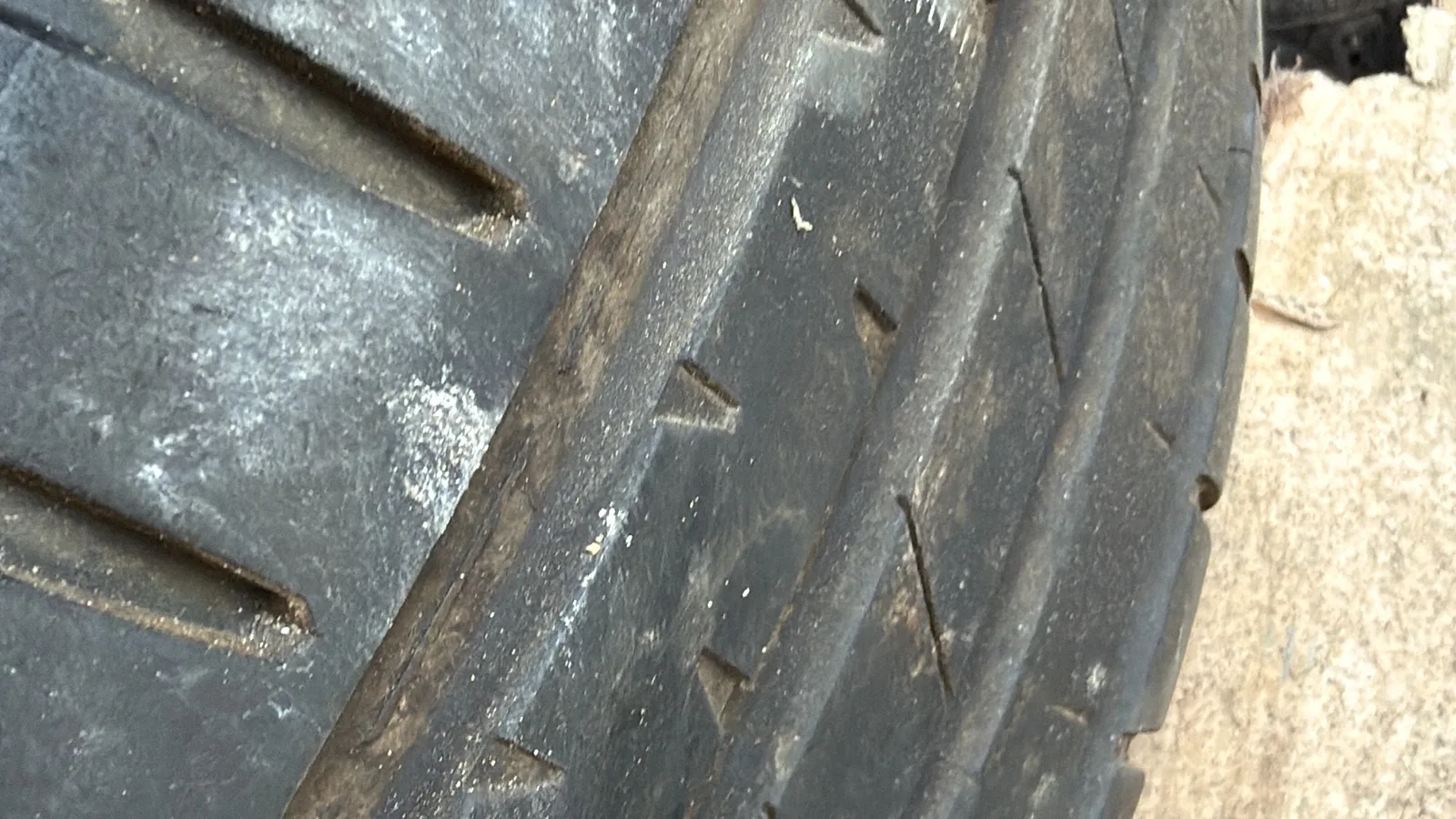
Picture a shopping trolley with one wonky wheel. It fights you the whole way. A tyre with the tracking out does the same, thousands of times a mile.
The rubber gets scraped off one edge. The inner edge is the one that catches drivers out, because you cannot see it without turning the steering to full lock. By the time you notice, the edge can be bald while the middle still looks legal.
That matters twice. A tyre worn below 1.6mm across the central three quarters is illegal, even if one part looks fine. And you pay for new tyres early. Bad tracking can also cost fuel, because the car is pushing a tyre sideways as well as rolling it. Our UK tyre law guide explains the limit.
Tracking is the old word for setting the front wheels so they point straight ahead. The main angle is called toe. On most family cars it is the only one you can adjust at the front.
A four wheel alignment measures both axles. It checks toe, camber, which is the lean of the wheel, and caster, which affects how the steering self centres. On cars with independent rear suspension, the rear can be adjusted too.
What it costs depends on the car and how much needs doing. A front toe setting is the simple job. Four wheels takes longer. Seized track rod ends add time, and worn parts must be replaced first, or the setting will not hold. Cars with lane cameras may need them calibrated after. Ask for a fixed price for your car on our wheel alignment page.
Not usually on its own. Bad tracking makes a car pull and eats tyres. A wobble or shake you feel through the steering wheel is more often a balance problem.
If the shake starts at around 50 to 70mph and eases off above, look at wheel balance first. A lost weight after a pothole is common. Our wheel balancing service sorts that on the van.
A wobble at low speed, or one that gets worse over time, can be a bent wheel, a bulge in the tyre or worn steering parts. Those are more serious. A bulge can fail without warning. Stop and look at the tyre sidewalls. If you see a lump, do not drive on it. Call us and we come to the car.

The questions that usually come next.
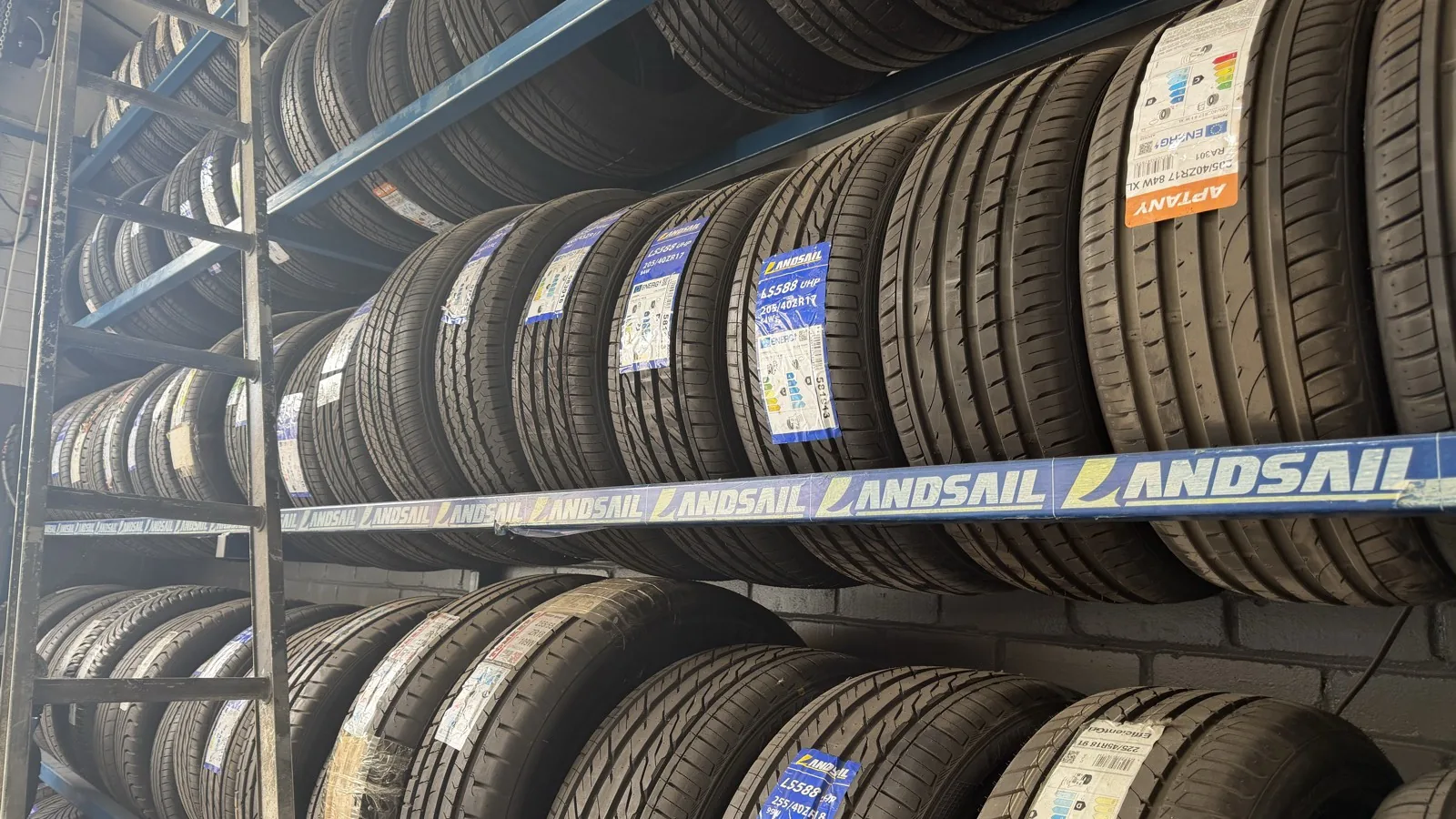 Wheel alignmentTracking that stops the edges wearing.Read the guide →
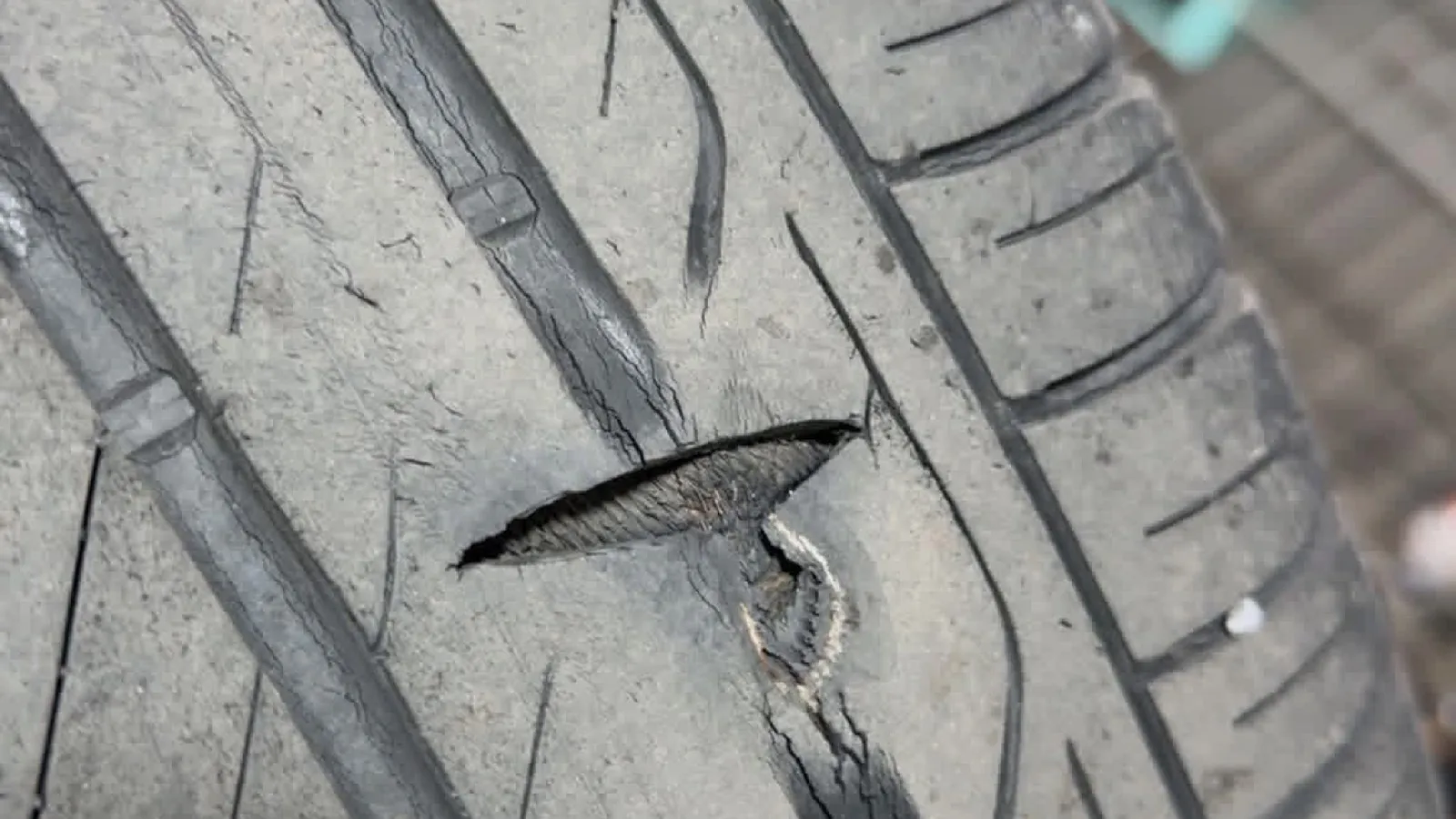 Uneven tyre wearRead the pattern and find the cause.Read the guide →
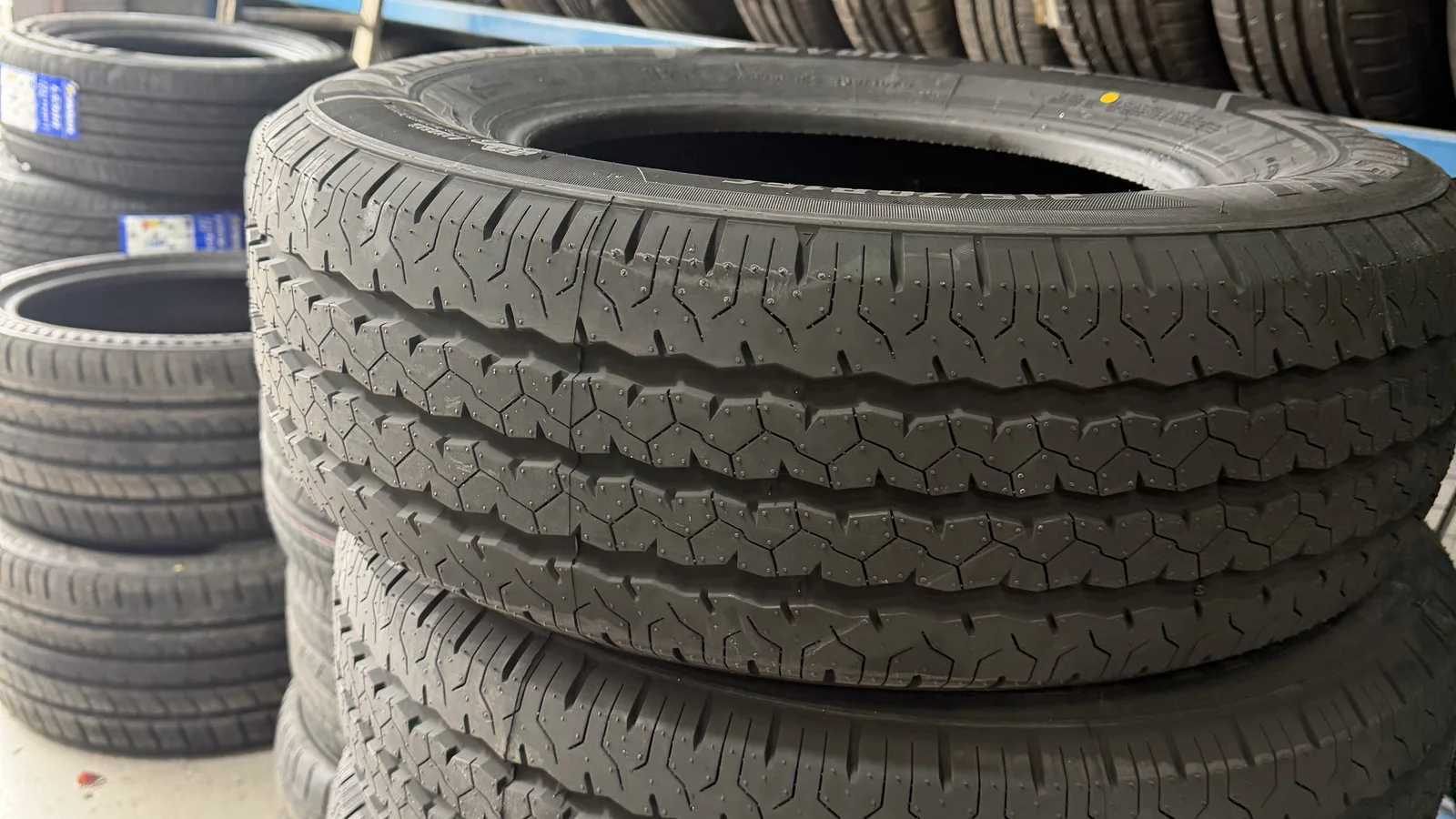 Pothole damageBulges, cracks and bent rims.Read the guide →
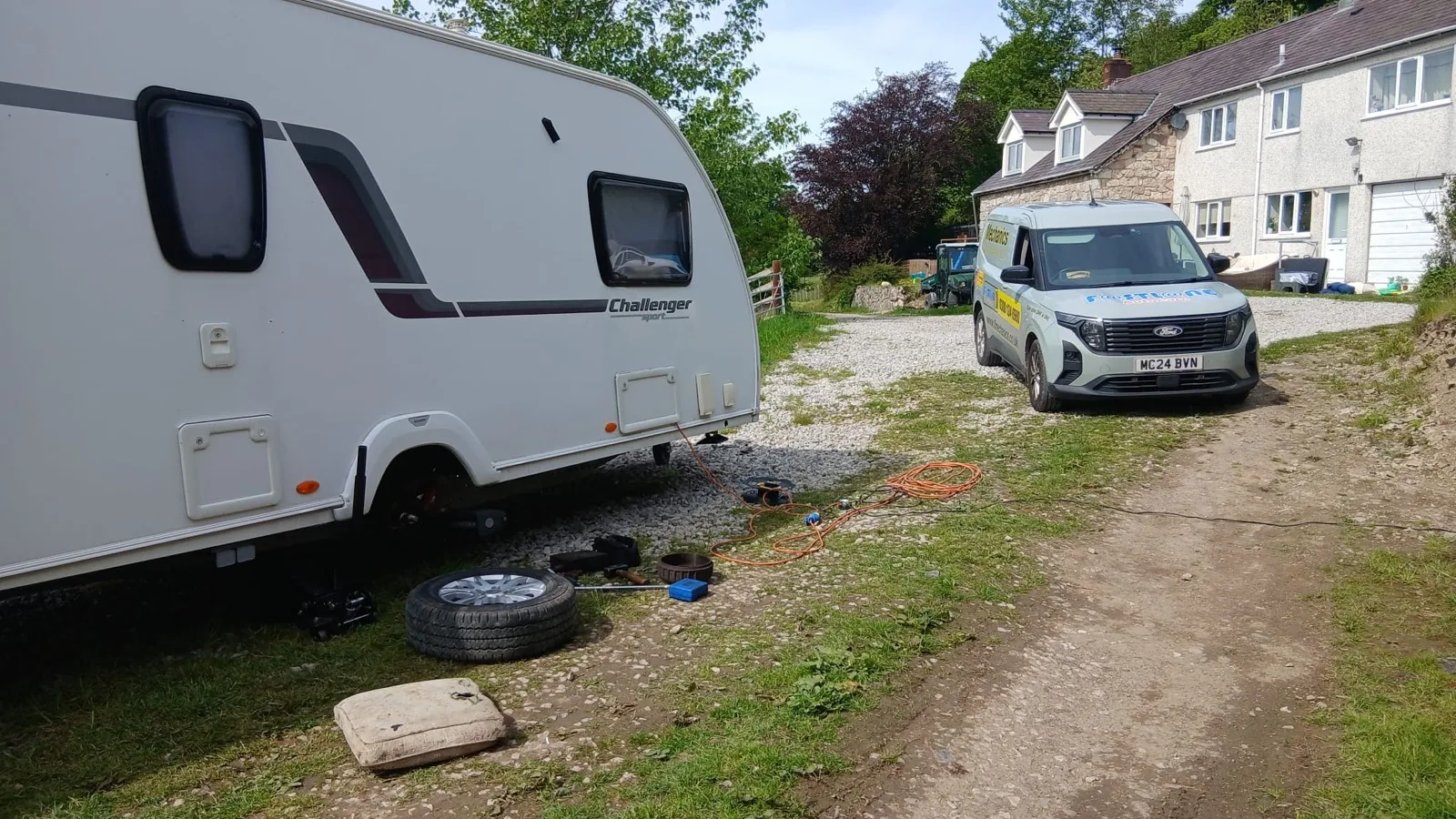 Wheel balancingThe cure for a shake at speed.Read the guide →
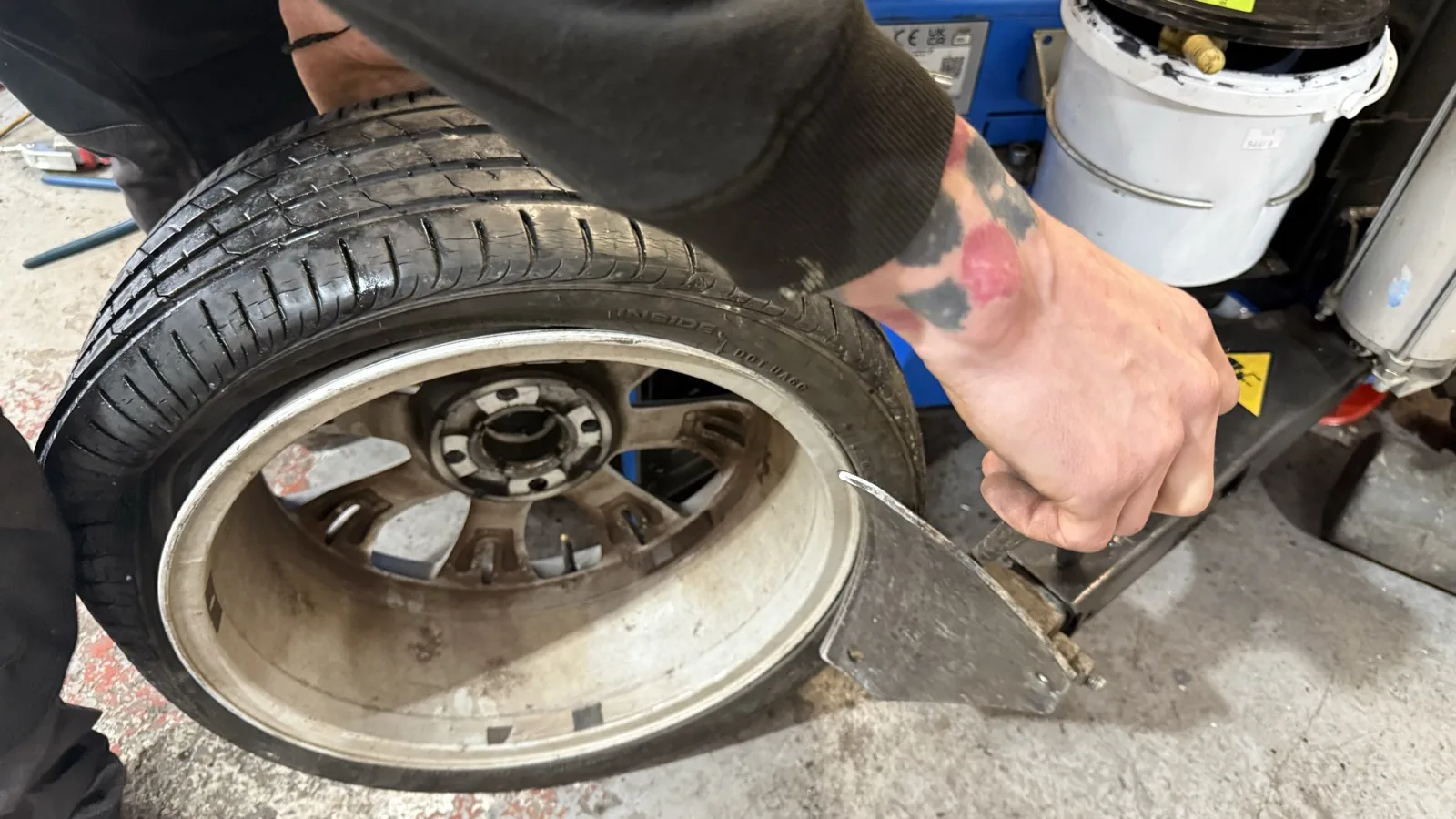 Balancing explainedWhy the weights matter.Read the guide →
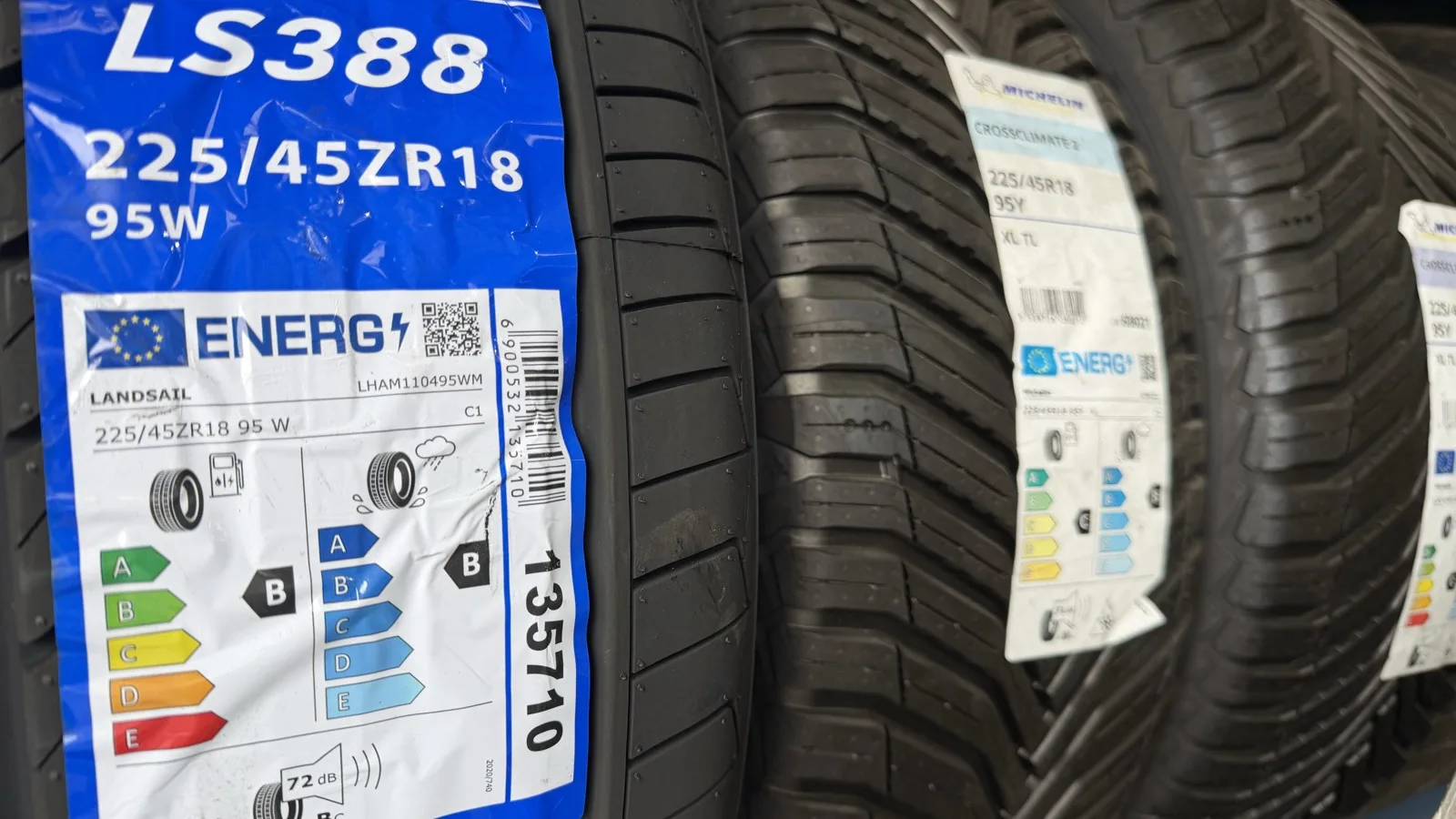 How to check your tyresRead the full guide.Read the guide →
Most cars that pull have met one of these. Some you can see, some only a fitter will spot.
A deep pothole at speed can shift the front wheel angle in one bang. Winter is the worst time.
Clipping a kerb side on puts force where the steering is weakest. It bends track rods.
Track rod ends and ball joints loosen with age. The wheel then wanders, and the setting will not hold.
Rubber bushes crack and go soft over the years. The wheel moves under braking and turning.
New springs, arms or a lowered car change the angles. Always check the alignment after.
Even a low speed knock in a car park can move the geometry enough to wear a tyre.
Spot these early and you save a set of tyres. Most take a minute on the drive.
Drive straight on a level road. If the badge on the wheel is not level, the tracking is likely out.
On a flat, quiet road, relax your grip for a second. The car should run straight, not drift.
Turn the steering to full lock and look at the inside edge of the front tyres. It hides the worst wear.
Stroke the tread side to side. Smooth one way and rough the other means the tyre is being dragged.
A squeal on slow, tight turns can mean the wheels are fighting each other.
A soft tyre makes a car pull too. Set the pressures before you pay for an alignment.
What happens after you message, wherever the car is parked.
Send a picture of the worn tyre edge on WhatsApp. A fitter can often tell from the wear pattern whether tracking is the likely cause.
We send a fitted price for the tyres, and tell you if an alignment check should come first. You decide what gets done and when.
New tyres go on at home or work, with each one taking about 20 to 40 minutes. The wheel is balanced on the van before it goes back.
Pressures set to the door plate, nuts torqued by hand, and we look over the other tyres so you know exactly what is coming next.
4.4★★★★★average rating on Google
Brilliant service, same day, quick and easy. Was really rushed for time and they moved things around to ensure they got to me to get it fixed. Would defo recommend
Got us out of an unfortunate place of a Luton van blowout, super quick helpful and fairly priced!
Stranded in a car park with no spare! Called and they came within the hour, changed the tyre and was on my way 20 minutes later. Great service, delighted they made it so easy.
Send a photo of the worn edge and the size. We tell you what caused it and send a fitted price for fresh tyres.
The van is on shift right now. Common sizes are on board, and the price is the same at midnight as it is at midday.
The things drivers ask once the car starts to pull.
Tracking goes out when something bends, shifts or wears in the steering and suspension. The most common cause is a hard pothole or kerb hit. Worn track rod ends, ball joints and bushes cause it slowly. Suspension work, lowering the car or a small crash can knock it out too.
Impact is the big one in the UK, because our roads are full of potholes after every winter. One hard hit can move the toe angle enough to wear a tyre, without any damage you can see. If the car felt different after a bang, trust that feeling. Drivers are usually right about their own car. Our pothole damage guide lists what to check after a hit.
Wear is sneakier. Steering joints loosen over years, so the wheel moves a little under load. An alignment on worn parts will not last, so the parts must be fixed first. A good check looks for play before adjusting anything. Ours does. You see the figures before and after, so you know what changed. Ask on our wheel alignment page, or call 0300 124 6981.
The signs of bad wheel alignment are a car that pulls to one side, a steering wheel that sits off centre when you drive straight, and tyres wearing faster on one edge. You may also feel vague steering or hear a squeal on slow, tight turns. Any one of these is worth a check.
Tyre wear is the sign most drivers miss. The inner edge is hidden unless you turn the wheel to full lock and look. Feathered tread, smooth one way and rough the other, is another clue. By the time the car pulls hard, the tyres may already be done. So a monthly look at the edges pays for itself many times over. See uneven tyre wear for each pattern.
Rule out the easy causes first. A soft tyre pulls. So does a sloping road. Set the pressures, then try a flat, straight road. If it still pulls, get the alignment checked before you fit new tyres, or they will wear the same way. It is the cheapest fix on the list. Call 0300 124 6981 or read how to check your tyres.
A four wheel alignment costs more than a front tracking job, because both axles are measured and often both are adjusted. The price depends on the car, whether the rear is adjustable, and whether anything is seized or worn. Cars with lane cameras may need a calibration too. Ask for a fixed price for your car.
Front tracking alone suits many older cars with a fixed rear beam, where there is nothing to adjust at the back. Many newer cars have independent rear suspension. For them, four wheels is the proper job. Seized track rod ends add time. Worn joints must be replaced first. A good garage tells you this before it starts. Our wheel alignment page explains what is checked.
The cost to compare it with is your tyres. Bad tracking can scrub a front tyre bald in a few thousand miles. Two front tyres lost early cost far more than getting the alignment set. If new tyres are due too, send us the size for a fitted price, or call 0300 124 6981. The two or four tyres guide helps you plan.
Mostly, yes. Tracking is the everyday word for setting the front wheels so they point straight ahead. Wheel alignment is the wider job. It can measure all four wheels and three angles: toe, camber and caster. When someone says the tracking is out, they usually mean the front toe is wrong.
Toe is whether the wheels point in or out, seen from above. It is the angle that wears tyres fastest when it is wrong. Camber is the lean of the wheel, seen from the front. Caster is the tilt of the steering pivot, and it helps the wheel return to centre. Camber and caster rarely change unless something is bent. The wheel alignment page shows how each is checked.
For most cars, a proper check measures all four wheels even if only the front is adjusted. That tells you if the rear was knocked too, which a front only check can miss. A rear toe fault makes the car crab slightly down the road. Tyres already worn? Call 0300 124 6981 for fitted prices. Or see our mobile tyre fitting service.
Tracking on its own does not usually cause a wobble. It makes the car pull and wears one edge of the tyre. A shake through the steering at motorway speeds is more often wheel balance. A wobble at low speed can be a bent wheel, a tyre bulge or worn steering parts.
A lost balance weight is common after a pothole. The shake often starts around 50mph and fades at higher speed. That is a quick fix on the van. The wheel goes back on the balancer and the weight is replaced. Our wheel balancing service covers it, and it is part of every tyre we fit. Bad tracking and bad balance can show up together after one big hit.
A bulge in the sidewall is the dangerous one. It means the inside of the tyre is broken. It can burst without warning. Do not drive on it. Not even slowly to a garage down the road. Call 0300 124 6981 and we come to where the car is, day or night. Read wheel balancing explained for more on shakes.
Get your tracking checked after any hard pothole or kerb hit, whenever the car starts to pull, and when you fit new tyres. A common rule of thumb is around once a year or every 10,000 miles. If you see one tyre edge wearing faster than the rest, get it checked straight away.
New tyres are the best time. You have just paid for fresh tread, and bad tracking will eat it first. A check before or just after fitting protects that money. It is also worth it after any suspension work, like new springs or arms. Garages do not always reset it after that kind of job. Ask us about a check with your tyres on the wheel alignment page.
High mileage drivers should check more often. More miles means more potholes and more wear on the steering parts. Low mileage town cars take more kerb knocks while parking. Both wear tyres the same way when the angles drift. Send us a photo of the tyre edge if you are not sure. Call 0300 124 6981 or see how long tyres last.
Yes. A pothole is the most common reason tracking goes out in the UK. A hard hit pushes the wheel back and sideways, and that can shift the toe angle or bend a track rod. You may feel a pull straight away, or only notice the tyre wearing weeks later.
After a big hit, check three things. Is the steering wheel still straight? Does the car still run straight? Is there a bulge or cut on the tyre, or a dent in the rim? Any of those is worth acting on quickly. A dent in the rim can also cause a slow leak later. The pothole damage guide also covers how to claim from the council.
Take photos of the pothole and the damage if you plan to claim. Note the road and the time. A damaged tyre is often not repairable if the sidewall is hit. Repairs are only allowed in the central part of the tread. We can fit a new one at the roadside or at home. Call 0300 124 6981 or see emergency tyre fitting.
A steering wheel that sits off centre while you drive straight almost always means the tracking is out. The front wheels are pointing straight but the steering thinks they are turned. It often follows a pothole or kerb hit, new steering parts, or tracking that was set without centring the wheel.
It is more than a looks problem. If the wheel is off centre, the toe angle is often off too, and the front tyres will scrub. Some cars also get confused driver aids when the steering angle does not match. Lane keeping can nudge the wheel the wrong way. Check the front tyre edges for wear. Both inner and outer, on both sides. The uneven wear guide shows what to look for.
If the steering was fine until a recent hit, a bent part is possible. A good alignment check will spot it and tell you before adjusting anything. Setting the angles on a bent part only hides the problem. Want fresh tyres after the fix? Call 0300 124 6981 for a fitted price. Or read our wheel alignment page.
A car pulls to one side for a few common reasons: bad tracking, a tyre that is low on air, uneven tyre wear, or a brake that is sticking. The road slope can cause a gentle drift left too. Check the tyre pressures first, then test on a flat road.
A sticking brake is worth knowing about. The wheel on that side may feel hotter than the others after a drive, and you may smell hot brakes. That needs a garage, not a tyre fitter. Do not ignore it, because a stuck brake can overheat. A tyre with a hidden fault can also pull, especially a new one. Swapping the two front wheels side to side is how a garage tests for that. The noisy tyres guide covers other tyre symptoms.
If pressures are right and brakes are fine, the tracking is the likely cause. Tyres worn on one edge confirm it. Tyres worn evenly point somewhere else, so keep looking. We can fit new tyres at your door once the alignment is set, so the new pair lasts. Call 0300 124 6981 or read how to check your tyres.
You can usually drive with the tracking slightly out, but get it fixed soon. The car is harder to hold straight, and the tyres wear fast on one edge. If the car pulls hard, the steering feels loose or a tyre has a bulge or bald patch, stop and get it checked first.
The danger grows with time. A scrubbed edge can go below the legal 1.6mm while the rest of the tyre looks fine. That is up to £2,500 and 3 points per tyre. Per tyre, not per car. A worn edge also grips less in the wet. You feel it first on a wet roundabout. Check the inside edges now. The tread wear indicator guide shows the bars to look for.
Worn steering joints are the real risk. If a joint fails, you can lose steering on that wheel. A knocking noise over bumps or play in the steering means get it looked at today. That is not a job to leave until the next service. Tyres need changing? Call 0300 124 6981. See when to replace tyres for the signs.
It is a good idea, especially if the old tyres wore unevenly. Fitting new tyres does not fix the tracking. If the angles are wrong, the new tyres start wearing wrong from the first mile. A check at the same time protects the money you just spent on tyres.
Look at your old tyres before they go. Even wear across the tread means the tracking was probably fine. One edge worn much more than the other means it was not. Our fitters point this out when we take the old tyres off, so you know. We show you the edge and explain it in plain words. Ask about a check on the wheel alignment page.
Premium tyres cost more, so they have more to lose to bad tracking. If you are spending on a good set, spend a little on the check too. It is like fitting a new lock and leaving the window open if you skip it. Send the size for a fitted price, or call 0300 124 6981. The budget vs premium guide helps you choose the tyres.
Yes. We replace tyres worn by bad tracking at your home, your work or the roadside across the North West and North Wales. Send the size or registration and a photo of the worn edge. We send back a fitted price and a time, with no call out charge added.
We cover more than 2,700 areas, 24 hours a day, 365 days a year. We are AA and RAC approved. Each tyre takes about 20 to 40 minutes, balanced on the van. If the wear pattern points to tracking, we tell you so you can get it set. No point fitting a new pair to wear out the same way. See the areas we cover.
Two or more tyres can go on pay monthly at 0%, subject to status. NHS and key workers can ask about up to 30% off. We need firm ground and room to jack the car. A drive, a street outside the house or a work car park all work. Call 0300 124 6981 or read can tyres be fitted at home for how it works on a drive.