Welcome to

Mobile tyre fitting · North West & North Wales · We fit around you

Approved by the AA and RAC. No call-out charge. Around 32 minutes on average, 24 hours a day.
info@yournewtyres.co.ukTell us your name and tyre size — we will reply on WhatsApp with a price and an ETA.
On most cars you can replace just two tyres, as long as the two on the same axle match and the other pair still has good tread. Put the new pair on the rear axle. Replace all four when every tyre is close to worn out, or when a four wheel drive car calls for a matched set.
The quick rules we work to at the roadside:
That is the whole decision. Mixing tyres covers the legal side of matching.
Why does the axle matter so much? Because the two tyres on one axle work as a team. If one grips much better than the other, the car can pull under braking or twitch in the wet. Front and rear can differ a little. Left and right on the same axle should not. That is why a single new tyre next to a half worn one is often a false saving. Uneven tyre wear explains why one side can wear faster in the first place.
Not sure how many you need? Send photos of all four tyres on WhatsApp to 07943 185471, or call 0300 124 6981. A fitter will tell you honestly whether it is one, two or four, and why. We never push a full set you do not need. More answers are in our tyre guides.
The size is on the sidewall of the tyre, or send us a photo of it. It lands with the fitter on shift. No call-out charge, and the fitting is already in the price.
You are through to YourNewTyres. What size are the tyres?
The size is printed on the sidewall, like 205/55 R16. Send that and where you are, and I will come back with a fitted price and the next slot.
A photo of the sidewall does the job if you would rather not type it out.
Opens WhatsApp with your message ready to send
Covered here: can you replace just one tyre; should new tyres go on the front or the back; when do you need to replace all four tyres; is it ok to have different tyres front and back; how do you keep the cost down.
Yes, if the other tyre on that axle is in good shape. The law says both tyres on one axle must be the same size and type. Beyond that, the closer they match, the better the car behaves.
The ideal is the same make and model as the tyre on the other side. If that is not available, pick a tyre with a similar tread pattern and label grades. Then look at the tread gap. A new tyre next to one that is nearly new is fine. A new tyre next to one that is half worn is not ideal, because the two will grip differently in the rain.
So one tyre makes sense after a puncture or damage on a car with fairly new tyres. Before you buy anything, check the old one cannot be saved. A tread puncture can often be repaired for £39.95 to BS AU 159. Can a punctured tyre be repaired explains the rules.
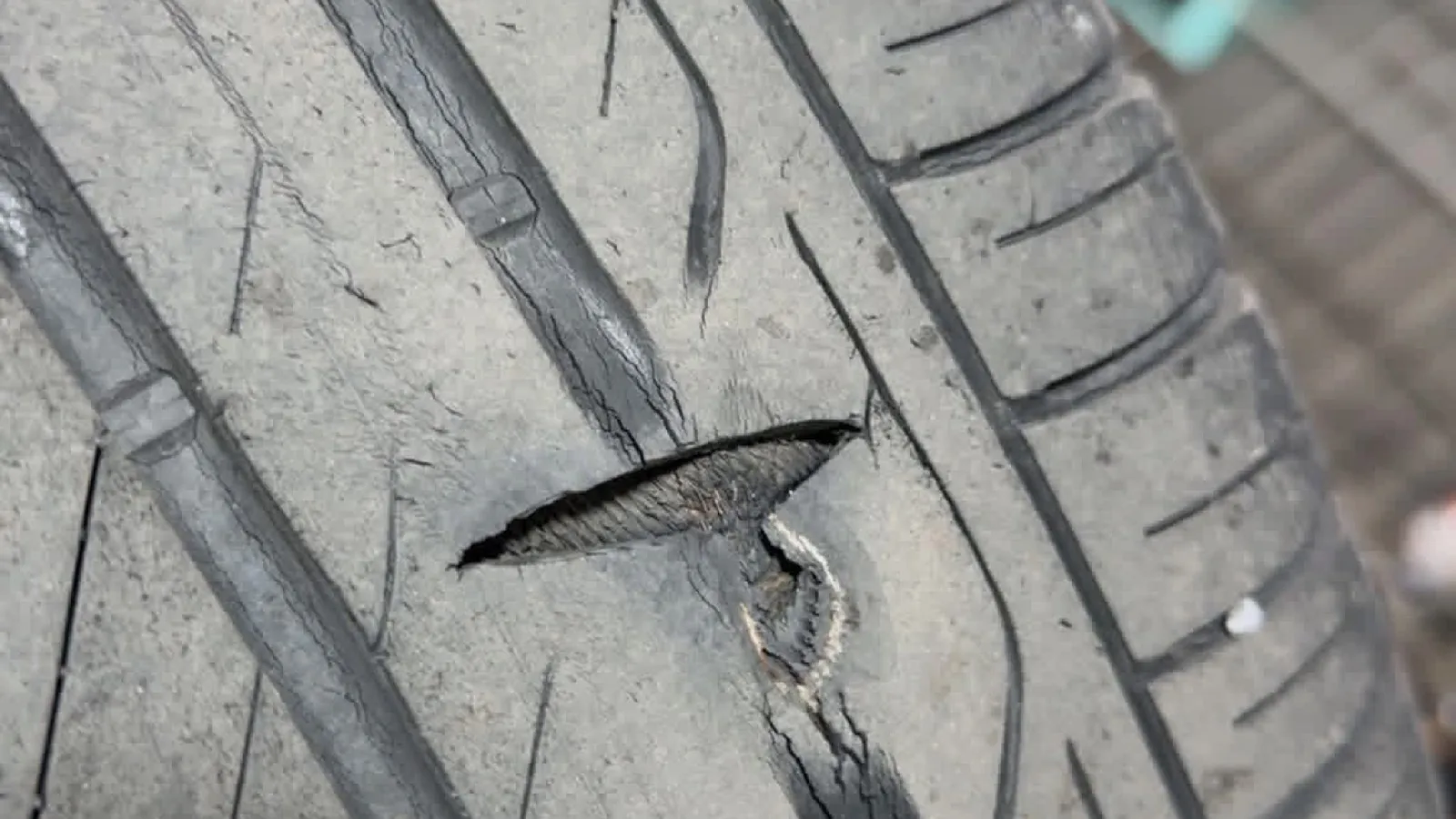
On the back. That surprises people, because the fronts usually wear out first. But tyre makers and fitters agree on this one. The deeper tread belongs on the rear axle, whether the car is front wheel drive or rear wheel drive.
Here is why. If the front tyres lose grip in the wet, the car runs wide. You slow down and it comes back. Most drivers handle that. If the rear tyres lose grip, the back of the car steps out and spins. That is far harder to catch.
So when the fronts are worn, we move the part worn rears to the front and put the new pair on the back. It costs nothing extra, it takes a few minutes, and it keeps the car stable in the rain. The fronts then wear the older tyres down, and next time you replace those. It is one of the reasons tyre rotation comes up so often.
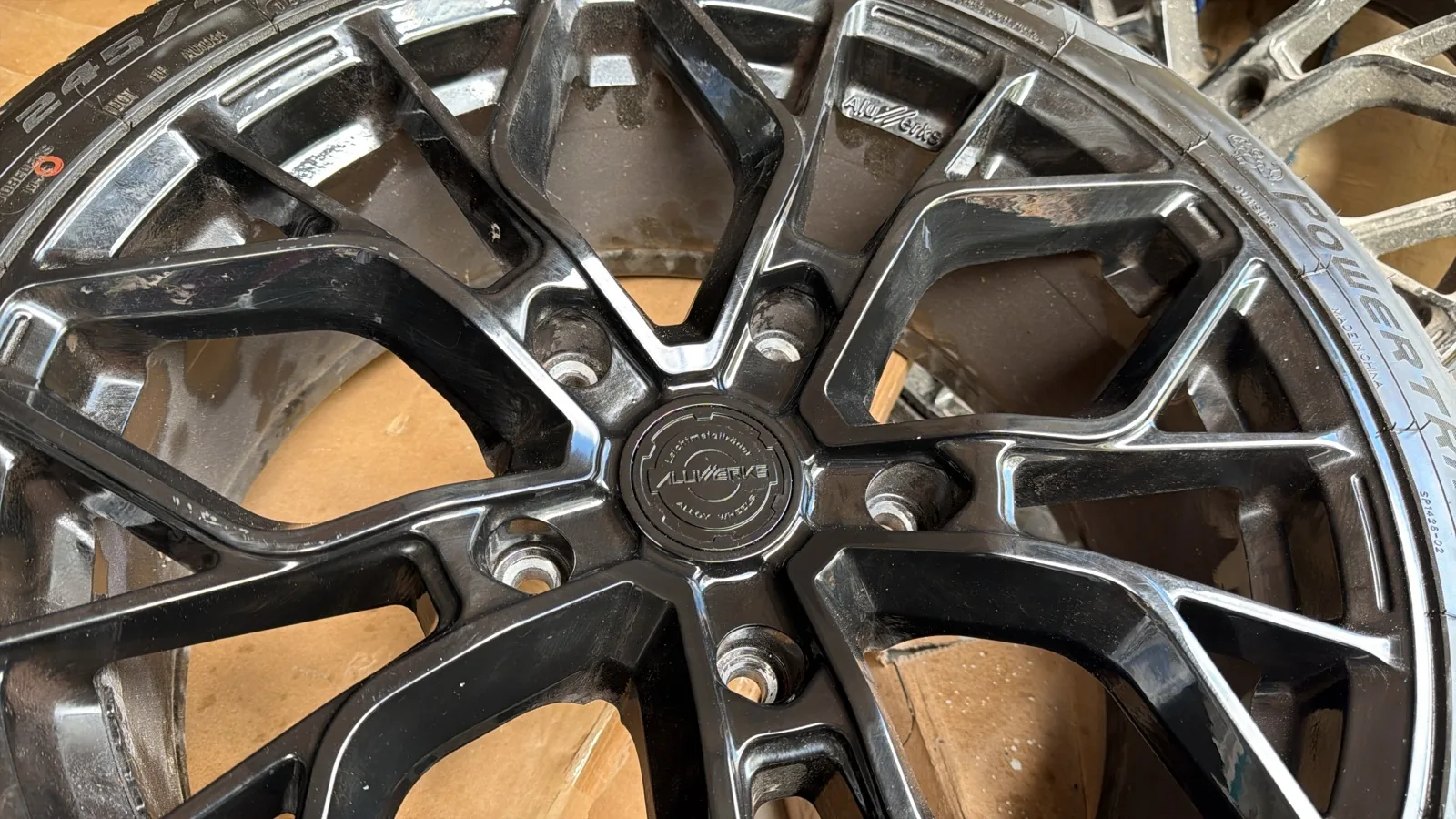
There are three common cases. The first is simple. All four are worn to around the same depth and close to the limit. Fitting four at once keeps the car balanced and saves a second visit a few weeks later.
The second is four wheel drive. On many 4x4 and all wheel drive cars, the drive system expects all four tyres to turn at almost the same speed. A new tyre is slightly bigger round than a worn one, so it turns a little slower. Some systems do not like that, and some makers set a limit on the tread gap. The handbook says what your car needs.
The third is a change of tyre type. If you move to all season or winter tyres, fit four. A car with winter tyres on one axle and summer tyres on the other handles oddly when it matters most. How to choose SUV tyres covers four wheel drive in more depth.
Yes. It is legal to have one make on the front and another on the back, as long as each axle is matched. Plenty of cars run that way after a pair is replaced. The car will drive normally.
What you should avoid is a mismatch across one axle. Two different tread patterns side by side can grip differently, and the difference shows up when you brake hard on a wet road. Mixing tyre types on one axle is illegal, and some mixes across axles are too.
Directional and run flat tyres add their own rules. A directional tyre must turn the right way. A car built for run flats should keep run flats on all four, unless you add a spare and a way to deal with a flat. Run flat tyres explained covers that, and directional vs asymmetric tyres explains the arrows on the sidewall.
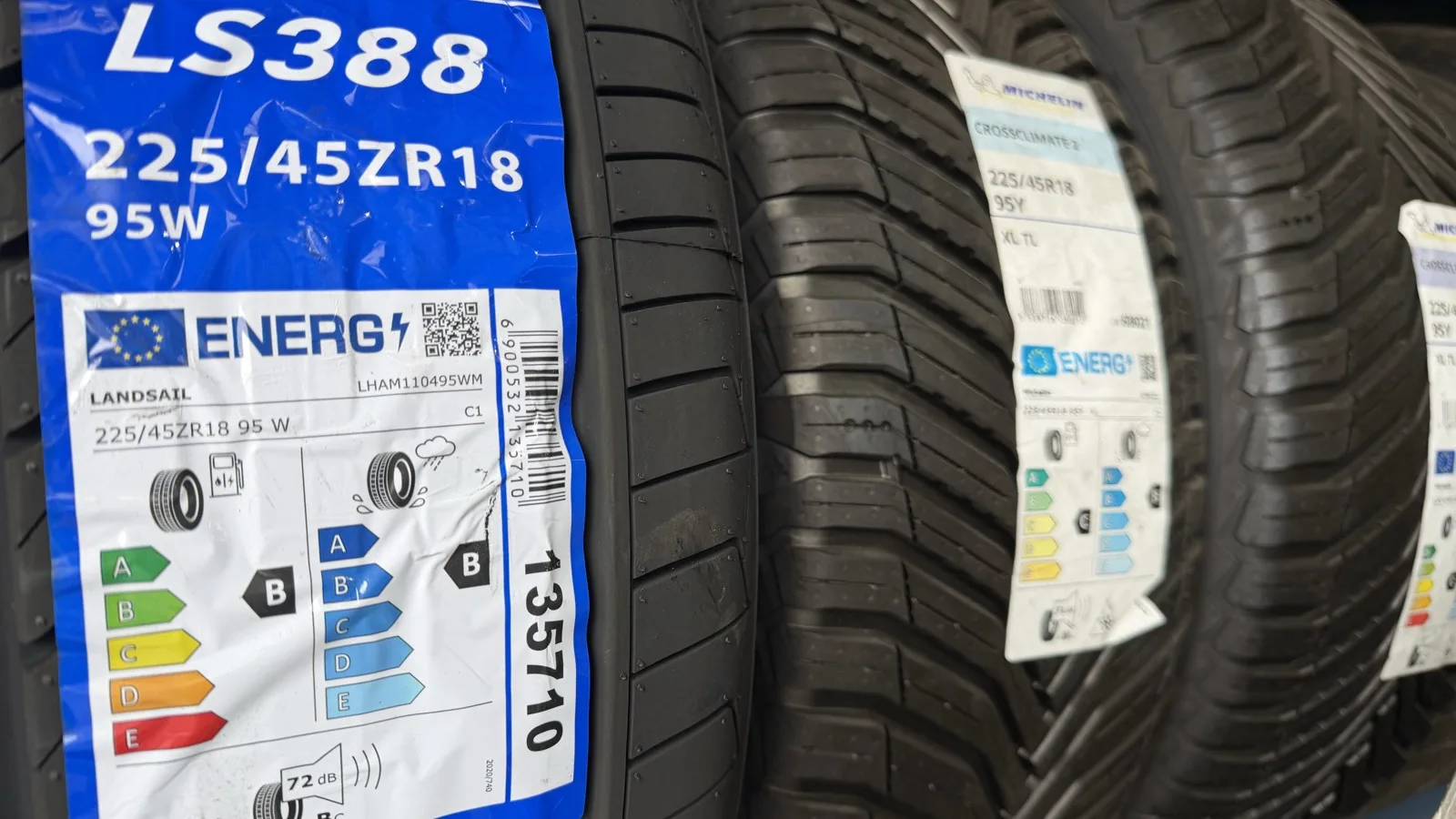
Only buy what the car needs. If two tyres have plenty of life left, keep them. A good pair now and another pair later spreads the cost and wastes nothing.
If money is tight, a matched pair of mid range tyres often beats one premium tyre next to a worn one. You get balance on the axle and decent grip for a sensible spend. Budget vs premium tyres walks through the trade off.
On two or more tyres you can pay monthly at 0%, subject to status. NHS staff and key workers can ask about up to 30% off. And every price we send is fitted, with no call out charge on top. The number in the message is the number you pay.
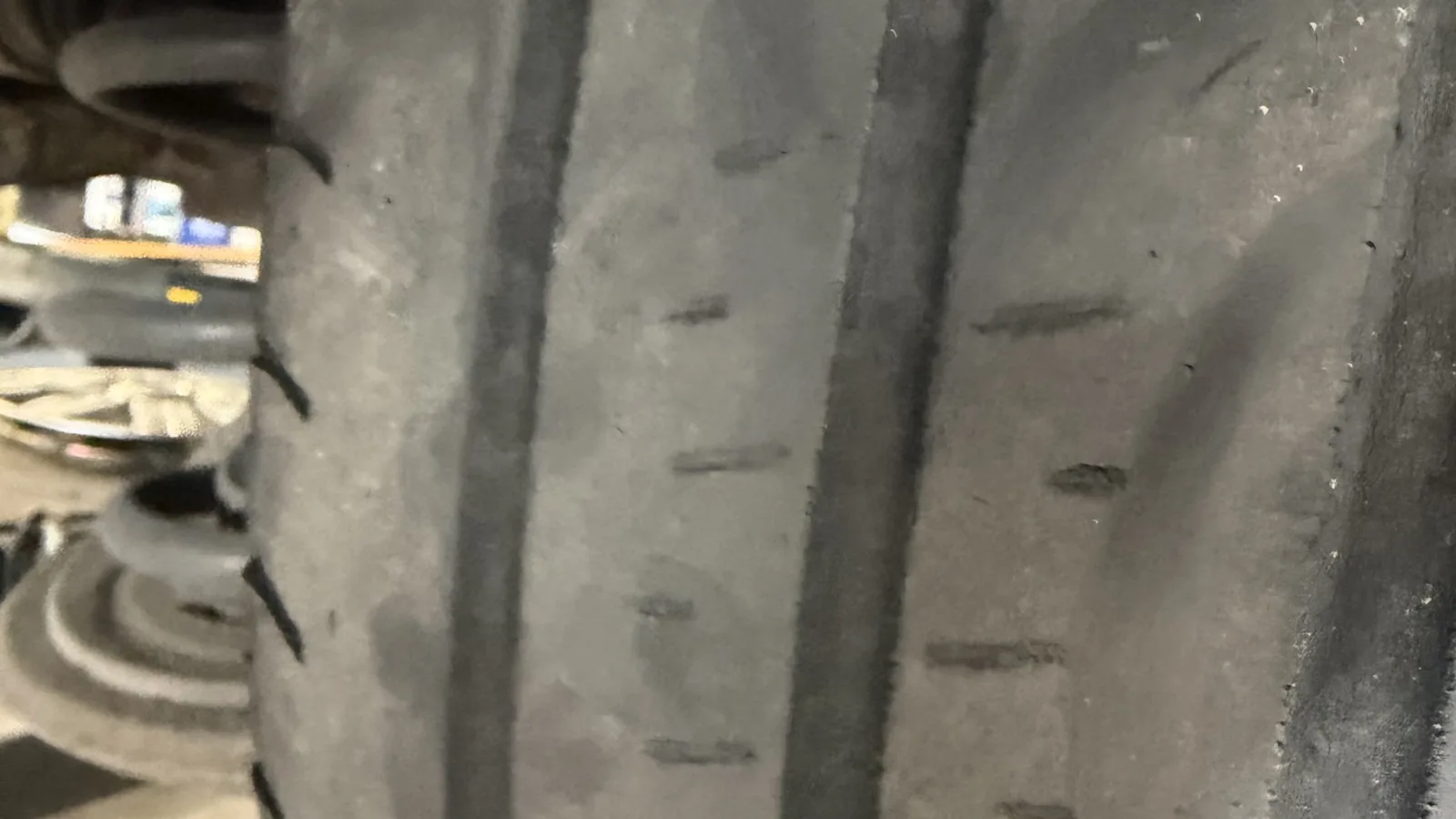
The questions that usually come next.
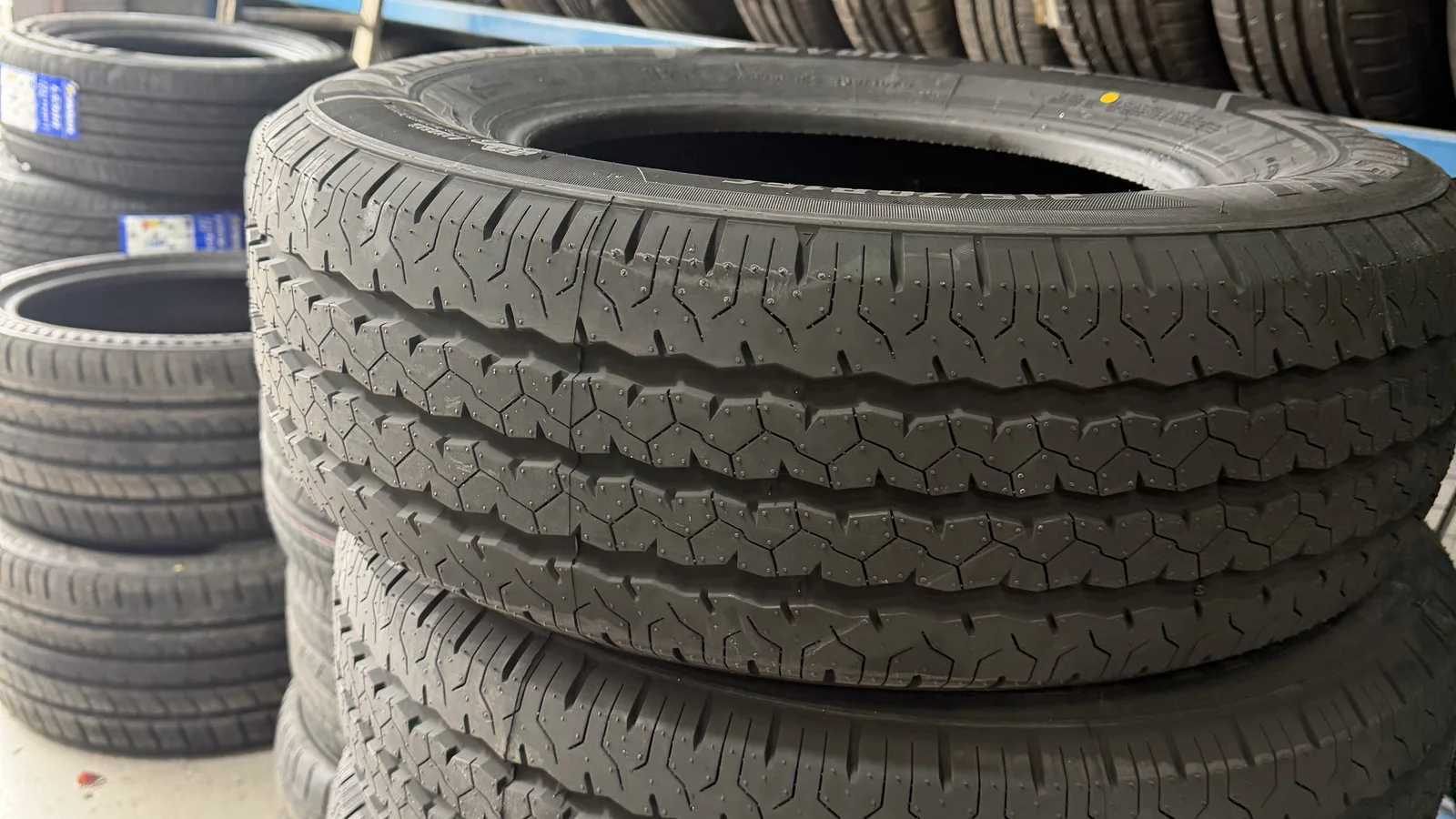 Mixing tyresWhat the law allows and what is wise.Read the guide →
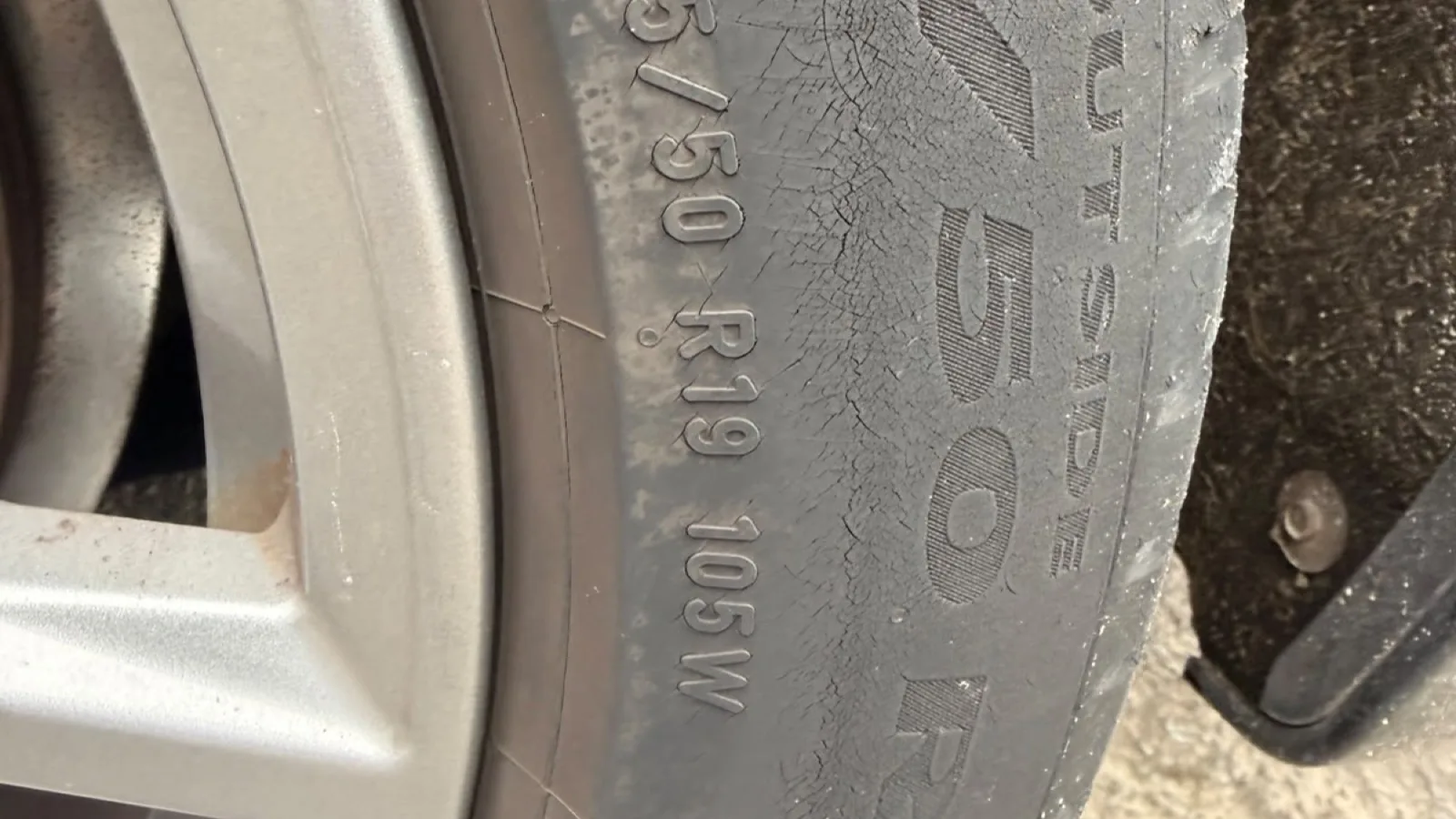 Is tyre rotation worth it?When swapping front and rear helps.Read the guide →
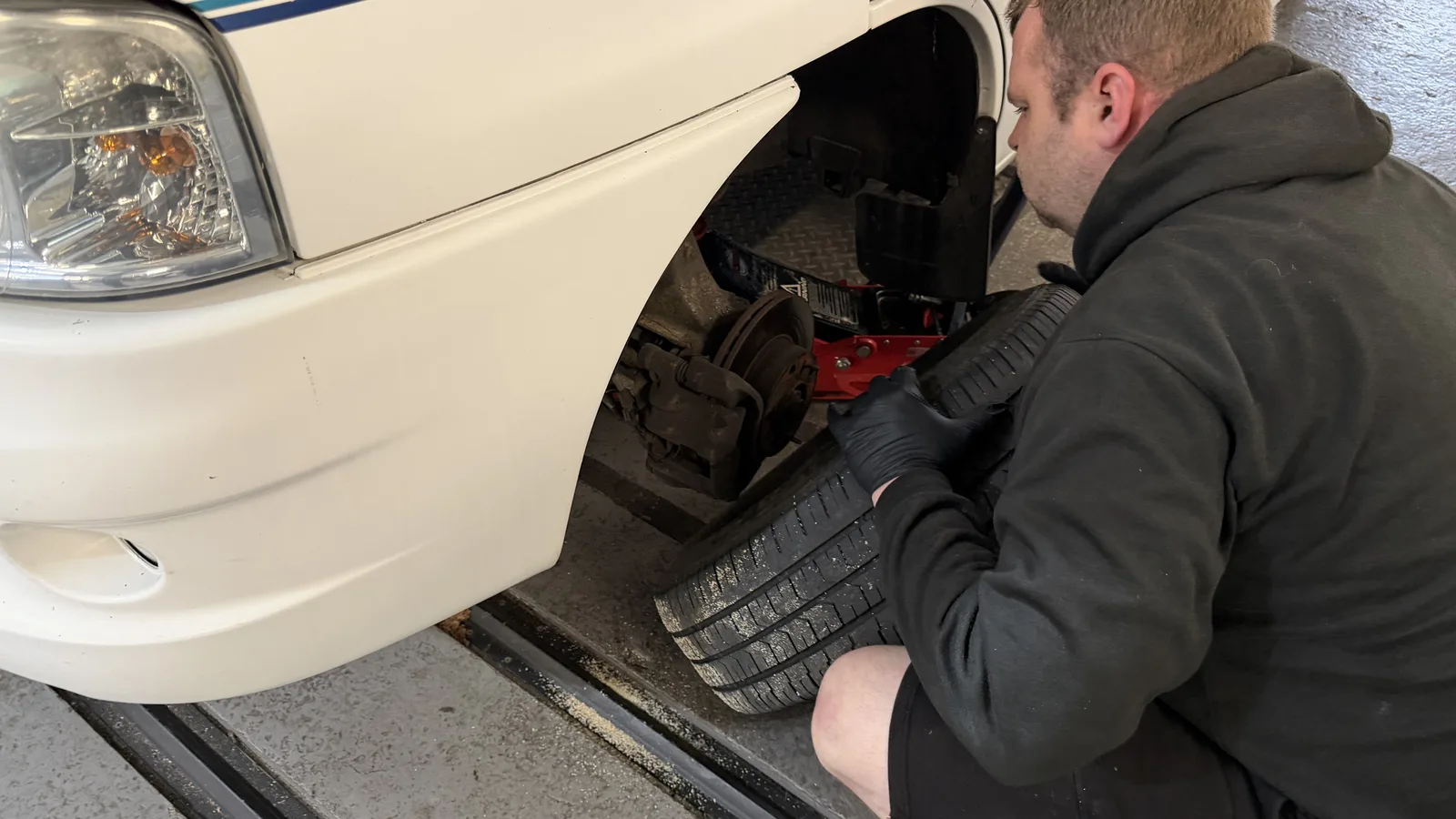 SUV and 4x4 tyresRoad, all terrain and in between.Read the guide →
 How long do tyres last?Miles, years and the signs it is time.Read the guide →
 Can a puncture be repaired?The repair rules, in plain English.Read the guide →
 Pay monthly tyres0% on two or more, subject to status.Read the guide →
Look at all four tyres, not just the bad one. The answer is usually obvious.
Measure all four. The gap between the new and old tyres on one axle is what matters most.
The tyre opposite the bad one decides if one new tyre is enough or you need a pair.
Four wheel drive? Check the handbook for how close the tyres must be before you buy two.
An old tyre with good tread still needs replacing. Check the date codes before keeping any.
A nail in the tread may only need a repair to BS AU 159. Ask before you buy.
Whatever you fit, the deepest tread goes on the rear axle for stability.
What happens after you message, wherever the car is parked.
Send a quick picture of each tyre on WhatsApp. A fitter can see the tread gap and tell you if you need one, two or four.
You get a price for exactly what the car needs, with the tyre and fitting together. No full set pushed on you if a pair will do.
Home, work or the roadside across the North West and North Wales, 24 hours a day. There is no night or weekend rate, and no call out charge.
New tyres go on the back, part worn ones move forward. Every wheel is balanced on the van and every nut torqued before we leave.
 Spread the cost of your tyres
Two or more tyres can go on pay monthly at 0%, subject to status. NHS and key workers can ask about up to 30% off.
4.4★★★★★average rating on Google
Stranded in a car park with no spare! Called and they came within the hour, changed the tyre and was on my way 20 minutes later. Great service, delighted they made it so easy.
Brilliant service, same day, quick and easy. Was really rushed for time and they moved things around to ensure they got to me to get it fixed. Would defo recommend
Got us out of an unfortunate place of a Luton van blowout, super quick helpful and fairly priced!
Send photos of all four and the registration. We tell you straight what the car needs and send a fitted price and a time.
There is no out of hours rate and no waiting for the morning. Message now and we come to the car tonight.
The questions we hear when only some of the tyres are worn.
Replace two if only one axle is worn and the other pair still has good tread. Replace all four if every tyre is close to the limit, or if your four wheel drive car needs matched tyres. Most front wheel drive cars only ever need a pair at a time.
The deciding factor is the tread on the tyres you keep. If they have plenty of life left, buying four wastes money. If they are only a few months from the limit, doing all four now saves a second visit and keeps the car balanced. We look at the whole set before we quote, so you get the honest answer rather than the biggest sale. When to replace tyres helps you judge how long the others have left.
Send photos of all four tyres to 07943 185471, or call 0300 124 6981. A fitter will tell you what makes sense for your car and your budget. Then we come to you with the tyres and fit them at home, at work or at the roadside. On two or more tyres you can also pay monthly at 0%, subject to status.
Yes, you can replace just one tyre if the other tyre on the same axle is in good condition and has similar tread. The two tyres on an axle must be the same size and type by law, and they should ideally be the same make and model too.
Where one tyre goes wrong is next to a well worn partner. The new tyre grips better and clears water better. Under hard braking in the rain, the car can pull towards one side. So if the tyre on the other side is half worn or more, a pair is the safer spend. It costs more today, but it keeps the car straight when you stop hard in the rain. Mixing tyres sets out what the law allows.
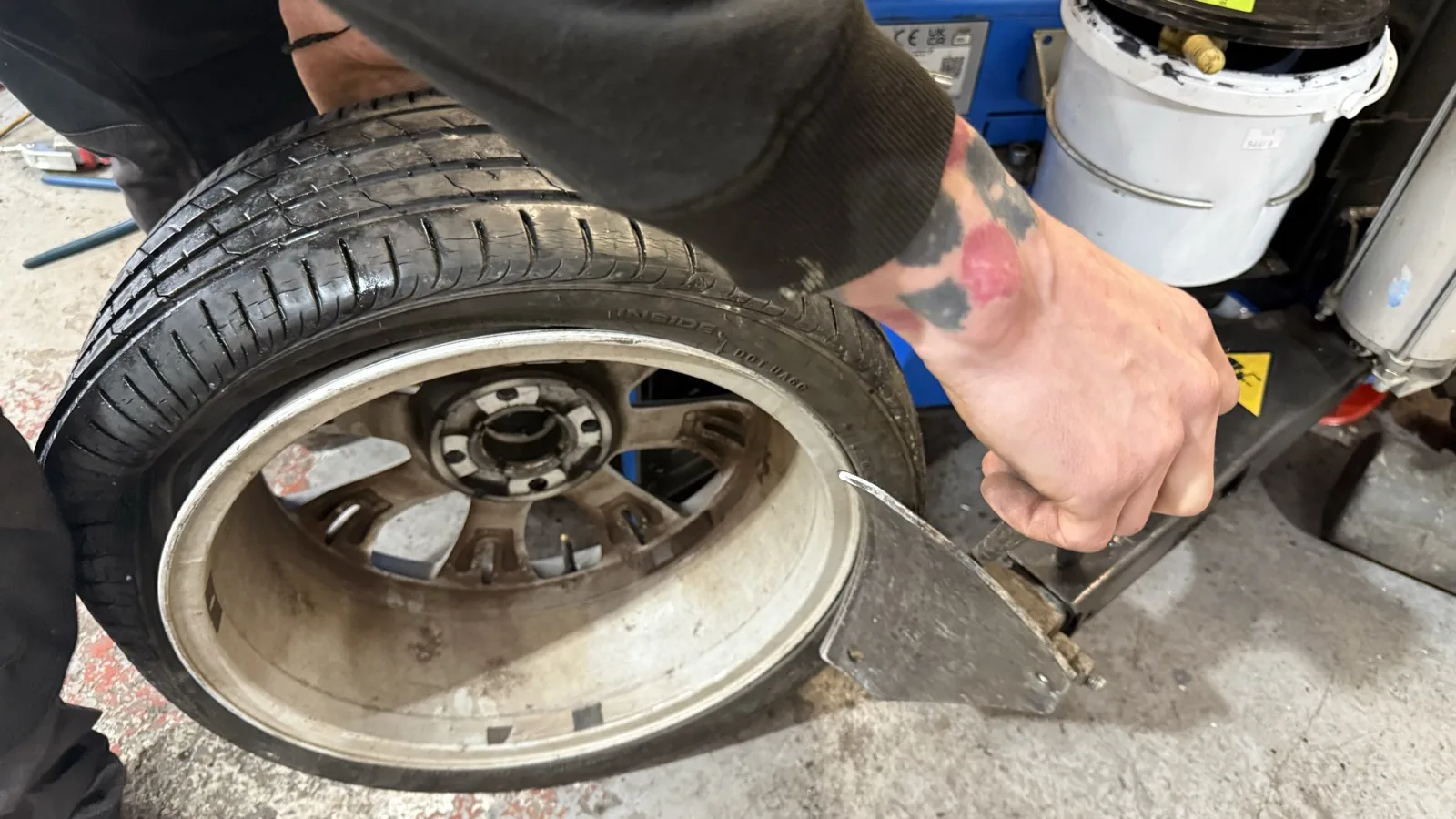
Before you buy a single tyre after a puncture, ask whether it can be repaired. A puncture in the central three quarters of the tread, up to 6mm, can often be fixed to BS AU 159 for £39.95. We take the tyre off the rim and check inside first, because damage on the inner face can hide behind a small hole. Puncture repairs explains the process, or call 0300 124 6981.
Two new tyres should go on the rear axle, even on a front wheel drive car. Deeper tread on the back keeps the rear of the car stable in the wet. If the rear tyres lose grip, the car can spin, which is much harder to control than the front running wide.
It feels backwards, because the fronts are usually the ones that wore out. So we move the part worn rear tyres to the front and fit the new pair at the back. The fronts then use up the older tyres, and the car keeps its best grip where it matters most. This is standard advice from the tyre makers, not just our view. Is tyre rotation worth it explains more about moving tyres around.
There are exceptions. Some cars have different sizes front and rear, so the tyres cannot swap. And some drivers ask for the new pair on the front. We will explain the risk and fit what you choose, but the back is the safer place. If you are unsure, call 0300 124 6981 before we come out and we will check your car. What is aquaplaning shows why rear grip matters in the rain.
No. By law, the two tyres on the same axle must be the same size and type, but the front pair and the rear pair can be different makes. Four matching tyres is the ideal, but a matched pair on each axle is fine for most cars.
Some cars are built with different sizes front and rear, often sporty or rear wheel drive models. That is normal and it is set by the maker. What matters is that each axle matches. You also cannot mix radial and cross ply tyres in some combinations, though almost every car tyre today is radial. The load and speed code should match or beat what the car needs on every wheel. How to read tyre size helps you check the numbers.
Four wheel drive cars are stricter. Many makers want all four tyres the same make, model and close in tread, to protect the drive system. Check the handbook if your car is 4x4 or all wheel drive. If you need help, send the registration or call 0300 124 6981. We check what the car needs before we quote. 4x4 tyres covers the sizes we fit.
Often, yes. Many four wheel drive and all wheel drive systems need all four tyres to be close in size as they turn. A new tyre next to a worn one is slightly larger round, which can strain the drive system over time. The handbook tells you what your car needs.
Some makers set a maximum tread gap between the tyres. Others simply say replace all four. A few part time 4x4 systems are more relaxed. The safest move is to follow the handbook, because repairs to the drive system cost far more than a set of tyres. How to choose SUV tyres covers the other things to look for on a bigger car.
If you only have one damaged tyre and the rest are nearly new, you may still get away with one. We look at the tread on all four before we quote. If the gap is too big for your car, we tell you straight, and if one will do, we say that too. Call 0300 124 6981 with the registration and we will check. 4x4 tyres covers fitting on bigger wheels.
A set of tyres usually means all four. A pair means two, normally for one axle. But you do not have to buy a full set. Most drivers buy tyres in pairs, because the front and rear axles wear at different rates, especially on front wheel drive cars.
The phrase matters when you are comparing prices. A deal on a set means four tyres. A price per tyre means one. We always quote per tyre and fitted, so you can see the cost of one, two or four without doing sums. There is no call out charge added on top, whichever you choose. How much does mobile tyre fitting cost explains what goes into the price.
If you like the idea of four at once, it does make life simple. Every tyre starts level, and you know where you stand for a few years. You also only need one visit instead of two, which suits drivers who hate losing a morning to tyres. Spreading the cost can help. On two or more tyres you can pay monthly at 0%, subject to status. Call 0300 124 6981 to talk it through.
There is no legal limit on the tread gap between tyres. The rule of thumb is to keep the two tyres on one axle as close as you can. A small gap is fine. If one tyre is new and its partner is half worn, fit a pair instead of one.
Why? A tyre with deep tread clears much more water than a worn one. On a dry road you would hardly notice. On a wet road, under hard braking, the car can pull towards the side with more grip. That is the moment you want the car to stay straight, not drift towards the kerb or the next lane. Uneven tyre wear helps if one tyre is wearing faster than its partner.
Four wheel drive cars are the exception. Their makers often give a firm figure, and it is usually small. Check the handbook, or send the registration and we will look it up. Either way, measure all four before you buy. A tread gauge is cheap, or the wear bars give a rough guide. Tyre wear indicators shows where they are.
You can, but it is not the safest choice. The advice from tyre makers is to put the best tyres on the rear axle, because rear grip keeps the car stable in the wet. If the fronts are worn, move the rears forward and fit the new pair at the back.
People want the new tyres on the front because the front is where they feel the grip, through the steering. But the danger is at the back. With worn rears and new fronts, the front grips hard in a wet corner and the rear lets go. The car can spin before you know it. Tyre blowout on the motorway covers a different emergency, but the lesson on rear stability is the same.
There are cars where swapping cannot happen, such as those with different sizes front and rear. In that case the new tyres go where they fit. For everything else, we recommend the back and explain why. The swap is done on the spot and adds only a few minutes. Call 0300 124 6981 if you want to talk it over first. Mobile tyre fitting shows how the job runs.
It is better only when all four are close to worn out, or when a four wheel drive car needs it. Then four at once keeps the car balanced and saves a second visit. If two tyres still have plenty of tread, replacing them is money spent for nothing.
There is one more good reason for four. If you are changing tyre type, say from summer to all season, fit a full set. Mixed types behave differently in the cold and wet, and the car can feel unsettled. The same goes for moving to winter tyres for the colder months. Summer, winter and all season tyres explains the differences.
Otherwise, a pair at a time is how most drivers keep a car on good tyres without a big bill. We will quote for two or four, and tell you honestly which makes more sense. If the rears have a year or more left, we say keep them. Payment is by a secure link sent to your phone once the job is done. Call 0300 124 6981 or read when to replace tyres first.
Yes, replacing tyres in pairs across one axle is the normal and sensible way to do it. It keeps grip, braking and handling even from side to side. The only time one tyre is enough is when its partner on the same axle is nearly new.
Pairs also fit the way cars wear tyres. On a front wheel drive car, the fronts might need replacing two or three times before the rears are done. Buying in pairs matches that pattern and spreads the cost over time. It also means no tyre gets thrown away with good tread still on it. How long do tyres last explains why the fronts go first.
When you do replace a pair, we check the tracking signs and pressures on the old tyres while we are there. If one side wore faster than the other, that points to a cause worth fixing, or the new pair will go the same way. Often it is tracking knocked out by a kerb or a pothole. See wheel alignment for that, or call 0300 124 6981 and ask the fitter to look.
First see if the puncture can be repaired. If it is in the central three quarters of the tread and no bigger than 6mm, it can often be fixed to BS AU 159 for £39.95. If it cannot be repaired, replace that tyre and its axle partner as a pair.
A single new tyre next to a half worn partner leaves a big grip gap on one axle. That is the case where a pair makes sense. The two tyres on the other axle can usually stay, if their tread is fine. The new pair then goes on the rear axle, as with any pair. Can a punctured tyre be repaired explains what can and cannot be fixed.
We come to you either way. The fitter takes the tyre off the rim, looks inside and tells you straight whether it is a repair or a replacement. Call 0300 124 6981 or WhatsApp a photo of the damage, and the size if you have it. Nail in tyre covers what to do before we arrive, including why you leave the nail in.
Yes. Send photos of all four tyres and the registration, and a fitter will tell you whether you need one, two or four. Then we fit them at your home, work or the roadside across the North West and North Wales, 24 hours a day, with no call out charge.
Every price is fitted. The tyre and the fitting come together, so the figure we send is the figure you pay at the car. One tyre takes about 20 to 40 minutes. We balance each wheel on the van and set the pressures before we go. If any of the tyres you keep has a problem, you hear about it before we leave. Can you fit tyres at home explains what the fitter needs.
Payment is by a secure link sent to your phone, and a photo of the finished job is yours if you ask. NHS staff and key workers can ask about up to 30% off, and two or more tyres can go on pay monthly at 0%, subject to status. Call 0300 124 6981 or message 07943 185471 to book. Where we cover lists the areas.