Welcome to

Mobile tyre fitting · North West & North Wales · We fit around you

Approved by the AA and RAC. No call-out charge. Around 32 minutes on average, 24 hours a day.
info@yournewtyres.co.ukTell us your name and tyre size — we will reply on WhatsApp with a price and an ETA.
A puncture is repairable if it sits in the central three quarters of the tread, the hole is no bigger than 6mm, and the tyre has no sidewall or shoulder damage. That is BS AU 159. Anything outside it must be replaced. We repair at your door from £39.95, or fit a replacement tyre there and then if it fails the standard.
BS AU 159 is the British Standard every reputable fitter works to, and it is stricter than most drivers expect. The repairable part of the tyre is the central 75% of the tread, known as the minor repair area. The outer shoulders and the whole sidewall are excluded, because those are the parts that flex hardest every revolution and a patch bonded there will eventually lift.
The repair itself has to be a combination repair: a plug filling the injury channel and a patch bonded to the inner liner, fitted from inside the tyre after it has been taken off the rim. An external plug or a string pushed in from the outside is not a British Standard repair, because it seals the hole without addressing the damage the object did to the casing on its way through.
That is also why the tyre has to come off the wheel. From the outside a nail looks like a nail. From the inside you can see whether it has cut the casing cords, whether the tyre has been run underinflated, and whether anyone has repaired it before. We check all three before we commit to a repair, and if it fails the standard we say so rather than patching it anyway.
A picture of where the nail or screw went in tells us more than a description. It lands with the fitter on shift, who will say whether it passes BS AU 159 before setting off.
You are through to YourNewTyres. Can you send a photo of the tyre and where the object is?
Send the photo and where the car is. I will tell you whether it is repairable and come back with a price and the next slot.
Leave the nail in if it is holding air, and do not drive far on it.
Opens WhatsApp with your message ready to send
Three ways it usually happens, and what actually needs to happen next.
You have pulled onto the M62 hard shoulder with a shredded tyre, no spare and a phone at 9 per cent. The recovery truck wants two hours. We come to the car with the tyre on the van.
You come out to the drive and one tyre is flat to the rim. The garage opens at half eight and cannot look at it until Thursday. We fit it on the drive before the school gates open.
A work van with a nail in a rear tyre is a day of jobs cancelled. We come to the yard or the site, before the first job if you send the size tonight.
Every one of these is judged with the tyre off the rim, because none of it is visible while the tyre is still on the wheel.
Repairable in the central 75% of the tread, the minor repair area. Anything in the shoulder or the sidewall is a replacement, however small and however new the tyre.
Up to 6mm across can be repaired. Wider than that and too much of the casing has gone for a patch to carry the load safely.
Above 1.6mm across the full width and it is worth repairing. At or below the legal limit the tyre is illegal anyway, so a repair would be money wasted.
One repair is fine. A new repair cannot overlap an old one, and a tyre already carrying several is finished.
Clean cords and no sign of running underinflated means we repair it. Cut cords or heat damage from running flat means we will not, and the wear pattern often shows it before we open the tyre. See uneven tyre wear.
Pressure lost slowly and stopped promptly, often repairable. Driven on while flat and the reinforced sidewall is usually gone, which is a replacement.
The advice that circulates about punctures is mostly out of date or simply wrong.
Pushing a string in from the outside seals the hole and leaves the casing damage untouched. It is not a British Standard repair and it should not be on a road car.
Aerosol sealant is a get-you-home measure. It coats the inside of the tyre, and in many cases the tyre cannot then be assessed or repaired properly afterwards. See what to do with no spare.
It does not matter how small it is or how new the tyre is. Nothing in the sidewall or the shoulder can be repaired under the standard.
Six millimetres is the limit. Beyond that too much of the casing has been destroyed for a patch to carry the load, whatever anyone offers to do with it.
One repair is normal and permanent. A new one overlapping an old one is not allowed, and a tyre carrying several is finished.
Run-flats are designed to get you off the road, not to carry on. Once one has been driven on deflated, the reinforced sidewall is usually damaged beyond repair.
About half an hour once we are with you, wherever the car is parked.
A picture of where the nail or screw went in tells us more in five seconds than five minutes of describing it, and gets you a price straight back.
From £39.95 for the repair, or an honest fitted price for a replacement if the tyre will not pass the standard. No call-out charge either way.
The only way to see the casing. We check for cut cords, an earlier repair too close to the new hole, and any sign the tyre has been run underinflated.
A combination plug and patch from the inside, cured properly, the wheel rebalanced, pressures set to the door plate and the nuts torqued by hand.
 Spread the cost of your tyres
If the tyre turns out to be beyond repair, you can spread a replacement at 0% interest on two tyres or more, subject to status. The fitted price is the price either way.
Most punctures are repairable and most drivers are told otherwise. The rules are not a matter of opinion: BS AU 159 sets out exactly where a tyre can be repaired, how big the injury can be and how the repair has to be made. What follows is what we check, and why the tyre has to come off the wheel before anyone can honestly tell you the answer.
From the outside, every nail looks the same. From the inside you can see whether it has cut the casing cords, whether the tyre has been driven underinflated, and whether it has been repaired before. Those three things decide whether a repair is safe, and none of them can be judged with the tyre still on the wheel. It is also why a roadside string plug is not a repair: nobody has looked inside. If it is a nail you can see, send us a photo of it.
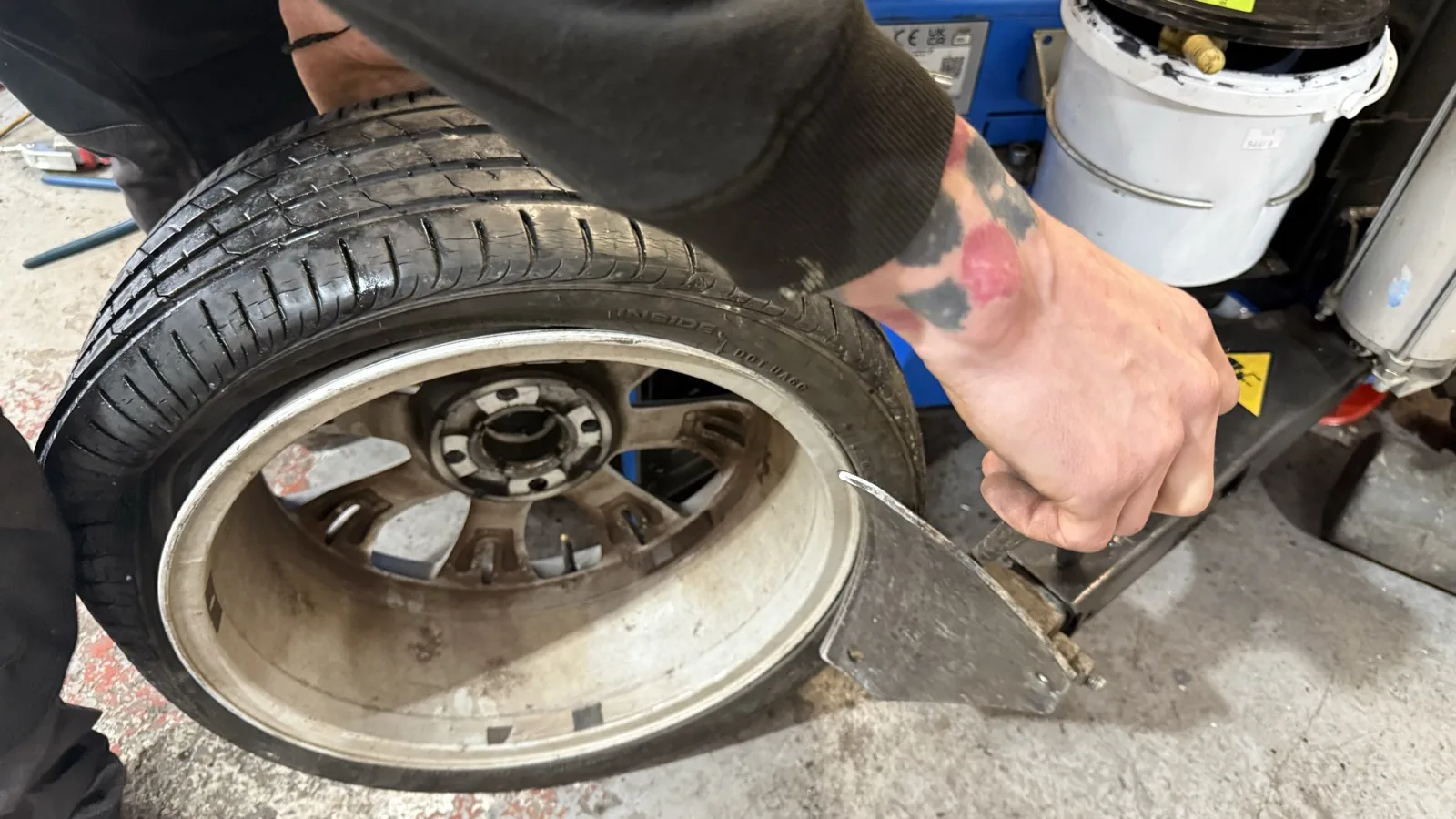
A plug fills the injury channel so the casing is supported, and a patch is bonded to the inner liner so the tyre holds air. The two together are what the standard calls a combination repair, and it is the only permanent fix it recognises. It is fitted from the inside, cured properly, and the wheel is rebalanced afterwards because the repair adds weight in one place.
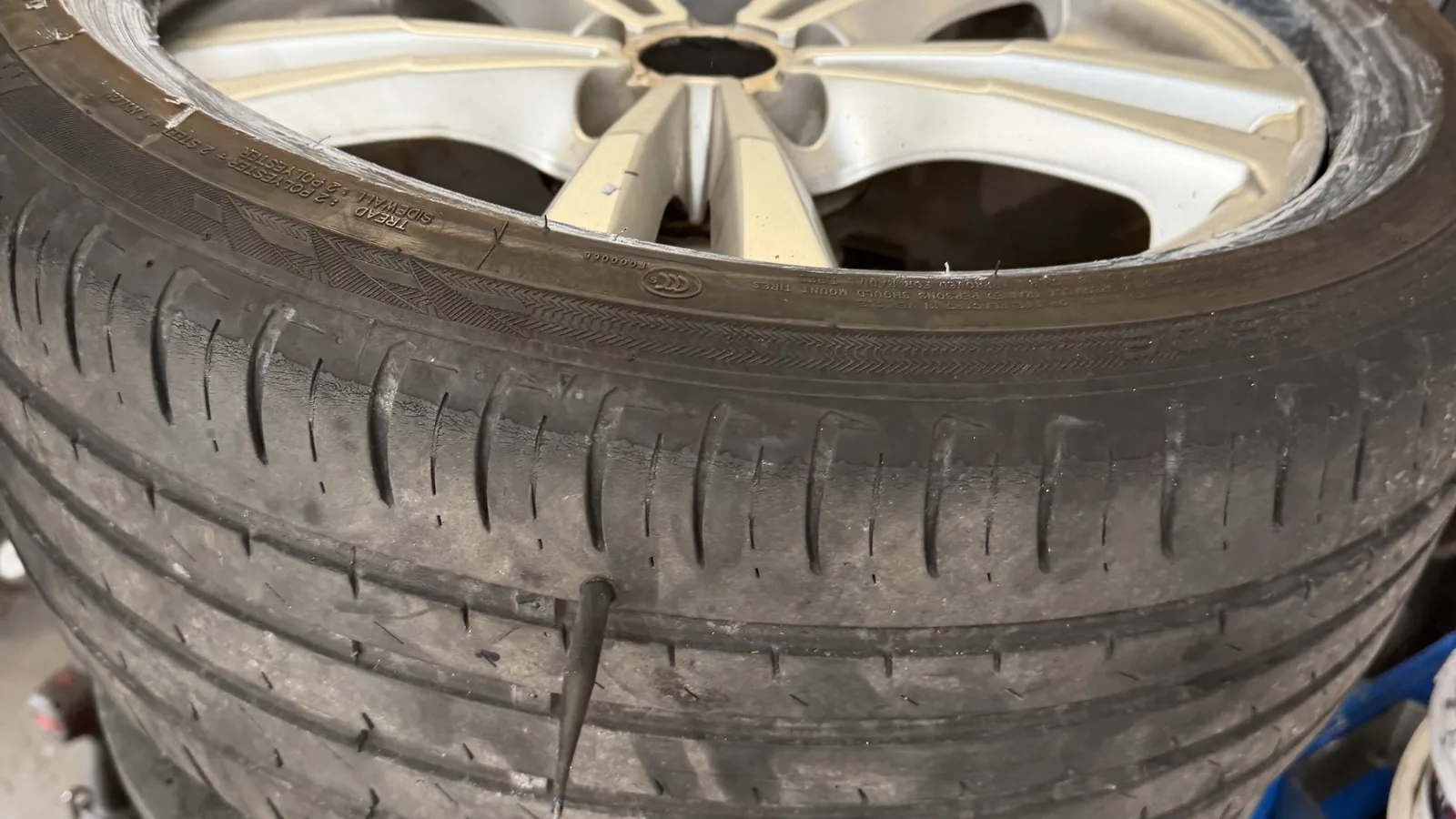
A sidewall or shoulder injury, a hole over 6mm, tread already at the limit, an overlapping previous repair, or a run-flat that has been driven on. In those cases we will show you what we found and price a replacement, and in most popular sizes we have the tyre on the van. We would rather lose the repair than put a patch somewhere it will fail.
The guides that answer the question behind the question.
 Can a punctured tyre be repaired?The British Standard rules, in plain English.Read the guide →
 Slow puncture: causes and signsThe one that empties overnight and ruins a morning.Read the guide →
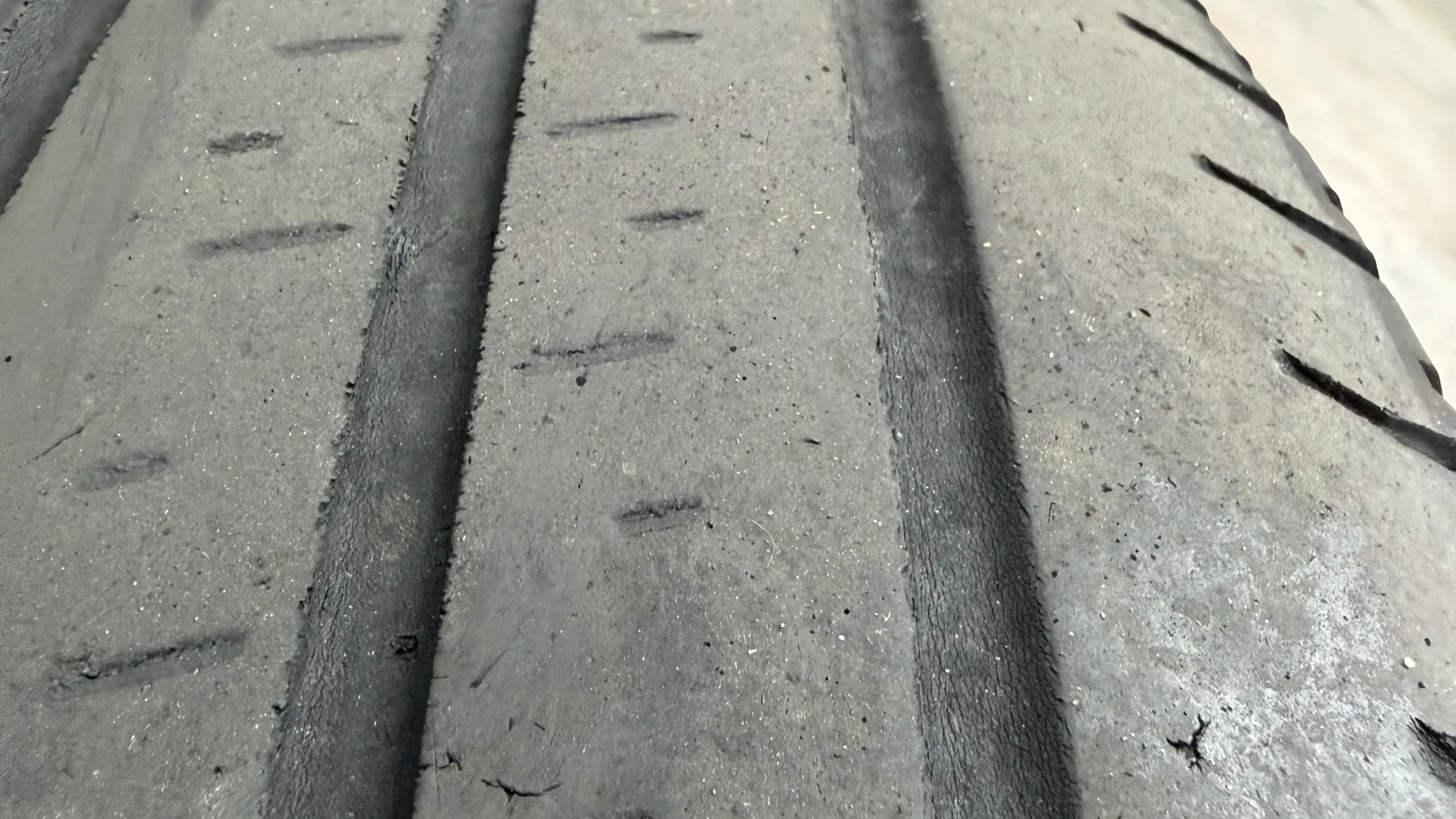 Nail in your tyre: can you still drive?What to do, and what not to do, before we arrive.Read the guide →
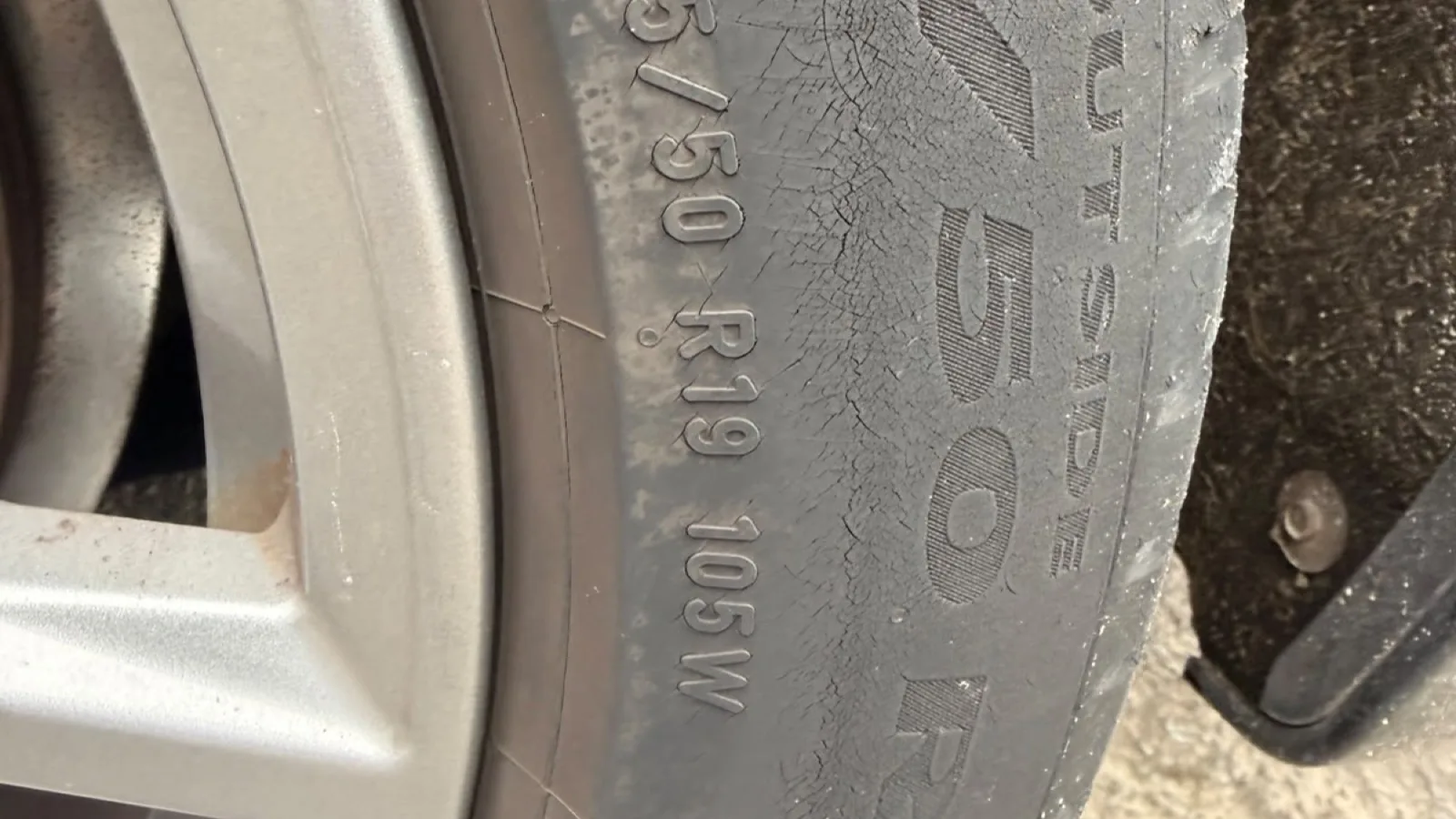 No spare wheel? What to doSealant kits, space savers and what actually gets you home.Read the guide →
 Uneven tyre wearRead the pattern and find the fault behind it.Read the guide →
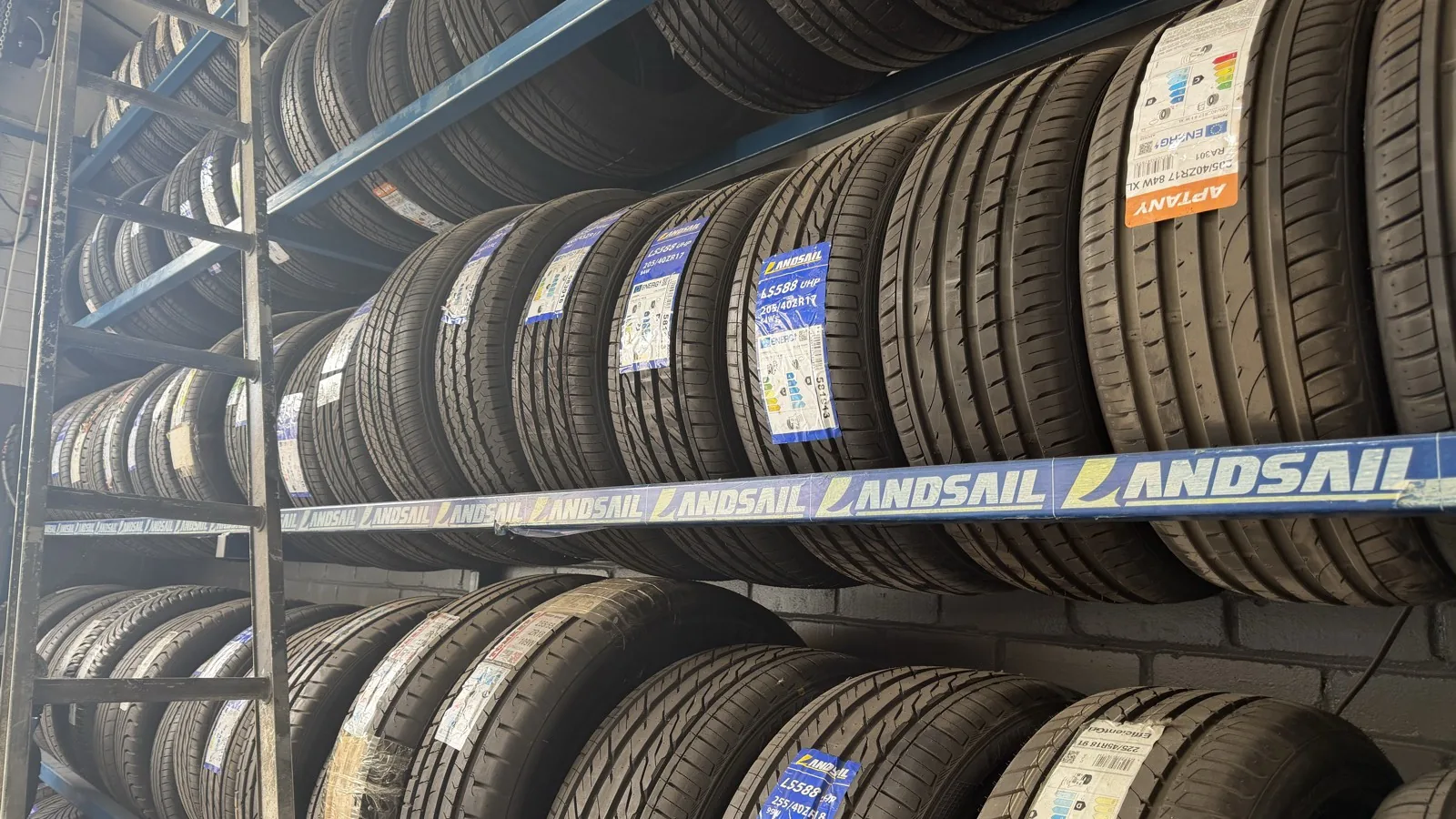 UK tyre law: tread and fines1.6mm, £2,500 and three points per tyre.Read the guide →
4.4★★★★★average rating on Google
Stranded in a car park with no spare! Called and they came within the hour, changed the tyre and was on my way 20 minutes later. Great service, delighted they made it so easy.
Brilliant service, same day, quick and easy. Was really rushed for time and they moved things around to ensure they got to me to get it fixed. Would defo recommend
Got us out of an unfortunate place of a Luton van blowout, super quick helpful and fairly priced!
You do not need to know. Send a photo of the tyre and your postcode on WhatsApp and we will tell you whether it passes BS AU 159 before we set off, not after we arrive. From £39.95, no call-out charge, 24 hours a day.
Every hour you leave a flat tyre on a car is an hour you cannot use it. The van is on shift now, send the size.
What drivers actually ask us before we come out.
A puncture can be repaired when the hole sits in the central three quarters of the tread, measures 6mm or less across, and the sidewall, shoulder and inner casing are undamaged. That is the British Standard, BS AU 159, and we assess every tyre against it with the tyre off the rim before we commit to a repair.
The repairable zone is called the minor repair area. Picture the tread split into four strips across its width: the two outer strips, the shoulders, are out of bounds, and so is the whole sidewall, because those parts flex hardest on every revolution and a patch bonded there will eventually lift. Most nails and screws land in the middle of the tread, which is why around three in four punctures we attend are repairable.
We only decide once the tyre is off the wheel and we can see the inside. The object may have cut the casing cords on the way through, the tyre may have been driven flat, or there may be an earlier repair too close to the new hole. Any of those turns a repair into a replacement, and none of them shows from the outside.
Send a photo of the tyre and where the object is on WhatsApp and we will tell you which way it is likely to go before we set off. If it cannot be repaired we price a replacement fitted at your door instead, and you decide.
You can usually make a short, slow journey to somewhere safe with a nail still in the tyre, because the nail is plugging its own hole and the tyre often holds most of its pressure. Leave it in, check the pressure, and do not drive further than you have to, because every mile widens the hole.
Pulling the nail out is the one thing not to do. With it in place the tyre may lose a few psi a day; with it out the air goes in seconds and you are stranded where you stand. If the pressure is already dropping fast, or the nail is in the sidewall or the shoulder rather than the centre of the tread, stop and call us rather than drive.
The damage that costs money happens while a tyre runs low. Even 10 psi under, the sidewall flexes far more than it was designed to, heats up, and starts to break the inner liner and the casing cords. That is invisible from outside and it is exactly what we look for when the tyre comes off the rim. A tyre driven flat for a mile is usually scrap; the same tyre parked up with the nail in is usually a £39.95 repair.
We come to wherever the car is, 24 hours a day, so there is no reason to push it. Send a photo on WhatsApp or call 0300 124 6981 and we will tell you whether it can be repaired before we set off. See nail in your tyre for the full guide.
There is no safe number of miles with a nail in a tyre, only a safe way to handle it: check the pressure, drive slowly to the nearest place you can park, and have it repaired the same day. If the tyre is holding pressure that is usually a few miles; if it is dropping, it is none.
Two things decide it. The first is where the nail is: in the centre of the tread it tends to seal against itself, in the shoulder or sidewall it flexes open and lets air out with every rotation. The second is the pressure. A tyre at its correct pressure carries the car on its air, not its rubber; drop it by a third and the tyre is carrying load it was never designed for, and it starts to destroy itself from the inside.
Drivers who wait a week with a slow leak, topping the tyre up every morning, usually end up buying a tyre instead of a repair, because the repeated running-low cycle damages the casing even though the hole itself was small and central. The repair is priced from £39.95 and takes about half an hour, so the same day is the cheap option as well as the safe one.
If you are on a motorway with a suspected puncture, get off at the next exit rather than stopping on the hard shoulder, unless the tyre has already failed. Then send us a photo and your location and we will come to you.
A mobile puncture repair costs from £39.95 with us, fitted wherever the car is, with no call-out charge, no mileage charge and no out-of-hours rate. That price covers taking the wheel off, removing the tyre from the rim, the British Standard combination repair, a new rubber valve where needed, and rebalancing the wheel afterwards.
The figure is a from price because the work varies. A standard alloy or steel wheel with a rubber valve is the base rate. Tyre pressure sensor valves, run-flat tyres and some large-diameter low-profile tyres take longer and may carry a small extra charge, which we tell you before we set off rather than at the car.
What you are paying for is the inside inspection and the proper repair. A roadside string plug pushed in from outside costs less, takes five minutes and is not a permanent repair under BS AU 159; it also stops anyone assessing the casing afterwards. A combination plug-and-patch fitted from inside is permanent for the life of the tyre.
If we open the tyre and it is not repairable, you do not pay for a repair. We price a replacement instead, and on two tyres or more you can spread that with pay monthly at 0% interest, subject to status. Call 0300 124 6981 for a price on your size.
An external plug or string repair is not a British Standard repair and should not be relied on as a permanent fix on a road-going car. BS AU 159 requires a combination repair, a plug through the injury channel and a patch bonded to the inner liner, fitted from inside the tyre after it has been removed from the rim and inspected.
The string kit sold at the roadside seals the hole from outside without anyone seeing what the object did on its way through the casing. It can hold air for months, which is why people trust them, but the cords around the injury are unsupported and the tyre can fail without warning at speed. Tyre manufacturers and the British Standard both treat string repairs as get-you-home measures only.
Aerosol sealant is in the same category. It coats the inside of the tyre and often fouls the tyre pressure sensor, and many fitters will not repair a tyre that has had sealant in it because the liner cannot be cleaned well enough for a patch to bond. If you have used a can to get home, tell us when you book, because it changes what we find inside.
We only fit combination repairs, from inside, with the tyre off the wheel. If you already have a string plug in a tyre, we can remove it, inspect the casing and do the job properly where the tyre still qualifies. See can a punctured tyre be repaired for the full rules.
A run-flat tyre can sometimes be repaired, but only if it has not been driven on while deflated and only after inspecting the inside. If the car has run on the tyre with the pressure gone, the reinforced sidewall has almost always overheated and broken down internally, and the tyre has to be replaced even if the hole itself was small.
Run-flats work by carrying the car on a stiff sidewall for a limited distance, typically 50 miles at up to 50mph, after the air has gone. That is the whole point of them, and it is also why they are so often unrepairable: the sidewall has done exactly what it was designed to do, and it is used up.
If the pressure was lost slowly, the sensor warned you and you stopped promptly, the casing may be fine and the same BS AU 159 rules apply as to any other tyre: central three quarters of the tread, hole no larger than 6mm, no previous repair overlapping. Some manufacturers still say no repair at all on their run-flats, and we follow the maker's position where one exists.
Tell us the make and model of the car and whether it has been driven since the warning came on. Most BMW and MINI models, and many Mercedes, come on run-flats as standard. See run-flat tyres explained for what to expect.
A mobile puncture repair takes around 30 to 40 minutes once we are with the car, and we average about 32 minutes to reach you across our core area in the North West and North Wales. The wheel comes off, the tyre comes off the rim, the injury is inspected and cleaned, the combination repair goes in from the inside, and the wheel is rebalanced and torqued back on.
The part that takes the time is the part that matters: buffing the inner liner, applying the vulcanising cement and letting it cure properly before the patch goes on. A repair rushed through in ten minutes is one that lifts later. Balancing afterwards is not optional either, because the repair adds a few grams in one place and you would feel that through the steering at 60mph.
You do not need to be with the car. We need to reach it, get at the locking wheel nut key if the wheels use one, and have room to jack it safely. A driveway, a works car park, a street or a lay-by all work.
For the repair to happen that day, send the photo as early as you can. Evenings and weekends are busy, and the earlier the message lands, the sooner the fitter on shift can slot you in.
If the tyre fails the British Standard we tell you before we do anything, show you what we found, and price a replacement fitted there and then. In the most common car sizes we carry the tyre on the van, so a puncture that turns out to be a replacement is still normally finished at the same visit.
The commonest reasons a tyre fails are a sidewall or shoulder injury, a hole larger than 6mm, a previous repair overlapping the new one, tread already at or below the 1.6mm legal minimum, or signs the tyre has been run flat and cooked the casing. Around one puncture in four goes this way, and it is usually obvious within a minute of opening the tyre.
You are never charged for a repair that did not happen. The replacement is priced on the sidewall size, and we quote budget, mid-range and premium options so you can see the real gap rather than being pushed to one tyre. New tyres go on with a new valve, balanced, pressures set and the old tyre taken away for recycling.
On two tyres or more you can spread the cost with pay monthly at 0% interest, subject to status. If you would rather talk it through first, call 0300 124 6981.
You do not need to be with the car for a puncture repair. We need to be able to reach the vehicle, get at the locking wheel nut key if your wheels use one, and jack it safely on firm, level ground. Home, work, a car park, a yard or the roadside all work, 24 hours a day.
The locking wheel nut key is the one thing that stops a job more than anything else, so leave it in the glovebox or tell us where it is. If it is lost, we can usually remove the locking nuts without it, but that is a separate job and we would rather know before we arrive.
Soft ground, steep slopes and very tight parking can make it unsafe to jack a car, so tell us when you book if any of those apply and we will say honestly whether we can work there. On a busy road we position the van to protect the working side of the car.
Payment is taken at the car by card or transfer once the work is done, and if you are not there we can take it over the phone. See where we cover across the North West and North Wales.
A correctly fitted combination repair lasts for the remaining life of the tyre. The plug supports the casing, the patch holds the air, and both are vulcanised to the inner liner, so there is no service interval, nothing to check later, and no speed restriction once the tyre is back on the car.
That is the difference between a repair and a bodge. A string plug relies on rubber friction and a sealant coating relies on staying liquid, and both degrade with heat and flexing. A vulcanised patch becomes part of the liner. The British Standard exists because the industry knows which method survives ten thousand miles of motorway heat and which does not.
One repair per injury, and repairs cannot overlap. A tyre can carry more than one repair in its life provided each is in the minor repair area and they are spaced apart, but a tyre collecting its third or fourth is usually near the end of its tread anyway and we will say so.
If a repair we have fitted ever loses pressure, call 0300 124 6981 and we will come and look at it. In practice the tyre normally wears out long before the repair does. See how long tyres last for what to expect from the rest of the tread.
A tyre at or below 1.6mm of tread anywhere across the central three quarters of its width is illegal to drive on and cannot be repaired, because repairing it would leave you with an illegal tyre and a £2,500 fine and three penalty points per tyre if you were stopped. We measure across the full width before we start.
Above the limit, the question is whether the repair is worth it. A tyre at 2mm has perhaps a few weeks of use left, and wet grip drops sharply below 3mm, so we will tell you honestly if you are paying £39.95 to keep a tyre that needs replacing anyway. Most drivers in that position choose the new tyre and skip the repair.
Wear across the tread is also evidence. A tyre worn on both shoulders has been running under-inflated, which is exactly the condition that damages the casing around a puncture, so we look harder at the inside of a tyre that shows it. One worn edge points to tracking being out.
See UK tyre law for the tread rules and the penalties, and use the 20p test in the meantime: if the outer band of the coin shows above the tread, the tyre is at or near the limit.
Yes. The from £39.95 price includes a new rubber valve where the tyre has one, and rebalancing the wheel after the repair. Both are part of doing the job properly rather than extras, because a repair adds weight in one spot and an old valve is the commonest cause of a slow leak returning a month later.
A snap-in rubber valve costs pennies and perishes with age, ozone and kerb strikes, so we replace it while the tyre is off the rim rather than reuse one that may be about to fail. Metal clamp-in valves and valves that carry a tyre pressure sensor are different: the sensor has a real cost, and we only replace those if they are damaged or the seal has failed, and we tell you first.
Balancing is done on the van with a wheel balancer, the same as in a garage. Without it, the few grams of patch and plug in one place would show up as a shake through the steering wheel at motorway speed, which drivers often mistake for a new problem.
If your car has tyre pressure sensors, we reset the system after the repair where the car needs it. See TPMS sensors for how those valves work and what they cost when they do fail.
Usually, yes. A slow puncture that empties the tyre over days rather than minutes is more often the valve core, the valve seal, or corrosion where the tyre bead sits on an alloy rim than anything in the tread, and none of those can be found by looking at the tyre on the car. Off the rim and in water, the leak shows in seconds.
Alloy wheels are the usual culprit. Corrosion builds up on the bead seat, the tyre can no longer seal against it, and air weeps out around the rim. That is fixed by cleaning the seat and applying bead sealer, not by patching anything. A weeping tyre pressure sensor seal is the other common one on cars from about 2014 onwards.
If it is in the tread, a tiny object like a wire brad or a shard of glass can sit unseen and let air past slowly. Those are repaired in the normal way provided they are within the minor repair area.
Topping the tyre up every few days is the expensive option, because every cycle of running low damages the casing. Send us the make, model and how quickly it drops and we will come and find it. See slow puncture causes and signs for what to look for in the meantime.
Yes. We work 24 hours a day, every day of the year, and there is no out-of-hours surcharge, no weekend rate and no call-out charge, so a repair at five on a Sunday morning costs exactly what it costs at two on a Tuesday afternoon. That is the reason the service exists.
A puncture found at night or on a Sunday is when every garage is closed and the breakdown services are at their busiest. Because we carry the tyre machine, the balancer and the common tyre sizes on the van, we can finish the job at the roadside or on your drive rather than towing the car anywhere.
Response time depends on where you are and what is already on the board. In our core area we average around 32 minutes; further out in North Wales or Cumbria we will give you an honest time rather than an optimistic one. Send your postcode on WhatsApp with the photo and you get a real time back.
If you are on a live lane or the hard shoulder of a motorway, get everyone behind the barrier and call National Highways or your recovery provider first; once the car is somewhere we can legally and safely work, we will come to it. Call 0300 124 6981 any hour. See what to do after a motorway blowout.
No. Everything is done at the vehicle, wherever it is parked. The tyre machine, the wheel balancer and the compressor are all on the van, so the wheel comes off, the tyre comes off the rim, the repair goes in, the wheel is balanced and torqued back on, and you never have a car sitting on a jack waiting for a wheel to come back.
That matters for more than convenience. A repair done in front of you can be shown to you: the object that caused it, the inside of the casing, and whether it qualifies under the British Standard. A wheel that disappears to a workshop and returns with a patch cannot.
It also means one visit rather than three. There is no drive to a tyre centre on a flat, no second trip to collect the car, and no half day off work. For fleet vans and company cars that is usually the difference between a job that happens and one that gets put off until the tyre fails.
Home, work, a car park, a yard or the roadside all work, 24 hours a day. See where we cover and mobile fitting vs a garage for the real cost once you count your own time.