Welcome to

Mobile tyre fitting · North West & North Wales · We fit around you

Approved by the AA and RAC. No call-out charge. Around 32 minutes on average, 24 hours a day.
info@yournewtyres.co.ukTell us your name and tyre size — we will reply on WhatsApp with a price and an ETA.
High performance tyres use a softer compound and a stiffer sidewall than touring tyres, so the car turns in faster and grips harder. They are rated V, W or Y, meaning 149, 168 or 186mph. That rating describes how the tyre is built to resist heat at speed, not how fast you are expected to drive.
A W or Y on the end of your tyre size is not optional, and the same rating has to go back on. Send us the registration and we will tell you the rating on the plate, the compound we are proposing and roughly how long it will last.
The rating is not really about top speed for most drivers. A higher-rated tyre has a stiffer carcass and a stiffer sidewall, which is what gives the steering its precision and keeps the tread flat on the road under cornering load. That is what you feel on a roundabout, not at 150mph.
The trade-off is honest and worth stating. A stiffer sidewall rides more firmly, wears faster and usually costs more fuel. On a car that was designed around it, that is the point. On a car that was not, you have paid for a harsher ride and gained nothing.
Compound matters as much as construction. A soft performance compound gives extraordinary dry grip and gets noticeably worse below about seven degrees, because the rubber never reaches its working temperature. In a British winter that is most mornings, which is why a dedicated summer performance tyre is a genuine seasonal choice rather than a year-round one.
Staggered fitments are common on this kind of car, with wider rears than fronts. That rules out rotation and means the rear pair wears out first, so we quote in pairs. We come to the car with the equipment for low-profile and run-flat fitments, 24 hours a day.
The size is on the sidewall of the tyre, or send us a photo of it. It lands with the fitter on shift. No call-out charge, and the fitting is already in the price.
You are through to YourNewTyres. What size are the tyres?
The size is printed on the sidewall, like 205/55 R16. Send that and where you are, and I will come back with a fitted price and the next slot.
A photo of the sidewall does the job if you would rather not type it out.
Opens WhatsApp with your message ready to send
Three ways it usually happens, and what actually needs to happen next.
You have pulled onto the M62 hard shoulder with a shredded tyre, no spare and a phone at 9 per cent. The recovery truck wants two hours. We come to the car with the tyre on the van.
You come out to the drive and one tyre is flat to the rim. The garage opens at half eight and cannot look at it until Thursday. We fit it on the drive before the school gates open.
A work van with a nail in a rear tyre is a day of jobs cancelled. We come to the yard or the site, before the first job if you send the size tonight.
Most tyre sites list these letters in a dropdown and never say what any of them mean. Here they are.
190 km/h. 118 mph Small hatchbacks, many all-season tyres
210 km/h. 130 mph By far the most common car rating in the UK
240 km/h. 149 mph Fast saloons, hot hatches, most premium fitments
270 km/h. 168 mph Performance cars and low profile fitments
300 km/h. 186 mph The highest standard rating, used on supercars
Over 240 km/h. Over 149 mph An older marking, usually seen alongside W or Y
Avon states the caveat precisely: the speed symbol applies only to a tyre in sound condition, correctly fitted and at the recommended pressure. An underinflated W rated tyre is not performing as a W rated tyre.
Ignored by every page ranking for this term, and the one that actually stops you fitting the wrong tyre to a heavy car.
500 kg. Small hatchbacks
560 kg. Family hatchbacks
615 kg. The most common car figure in the UK
670 kg. Estates, larger saloons, small SUVs
750 kg. SUVs and heavier electric cars
850 kg. Large SUVs and light commercials
1,030 kg. Vans and motorhomes
1,250 kg. Heavily loaded commercial fitments
Never fit below the figure in your handbook. Electric and hybrid performance cars are heavier than they look and frequently need an XL or extra load tyre.
Six trades. We would rather you knew all six before you spend the money.
A soft compound and a stiff sidewall is the reason a good car feels alive. This is what you are paying for and it is real.
A hard-driven UHP tyre can be done between 12,000 and 18,000 miles. That is the compound doing its job, not a defect.
Below about 7 degrees a summer performance compound hardens. In a North West winter that is most mornings.
Wide blocks and a short sidewall put more noise in the cabin. Foam-lined premium options help and are worth asking about.
An 82mm sidewall has very little between the rim and the road. Budget for a bent alloy as well as a tyre.
Especially on BMW and MINI. Find out now rather than at eleven at night on a hard shoulder.
The distinction the ranking pages blur, and it changes what you should expect.
Profile around 45 or 50, speed rating V at 149mph. Fitted to warm hatchbacks, premium saloons and estates on 17 and 18 inch wheels. A good HP tyre is a genuinely sensible everyday tyre: sharper than a touring tyre, not dramatically worse on life or noise, and available in all-season form.
Profile 40, 35 or 30, speed rating W at 168mph or Y at 186mph. Fitted to hot hatches, fast estates and sports cars on 19 inch wheels and up. This is where tread life drops sharply, cold-weather grip becomes a real consideration and pothole damage becomes expensive.
A separate category again, with minimal tread and a compound that needs heat to work. Legal on the road and genuinely poor on a cold wet one. If you are considering these for a road car that sees occasional track days, talk to us first.
Several manufacturers now make W rated all-season tyres. On a quick car used all year in the North West these are worth serious thought: you give up a little dry edge and gain a great deal on a cold wet morning. See all-season tyres.
No recovery, no garage, no call-out charge.
WhatsApp the full sidewall, including any letter or star. We match the approval, not just the size.
Common performance sizes are on the van. Large low profile fitments are usually next day, and we say which honestly.
Home, work, a car park or the roadside. If the car cannot be driven, that is exactly the job this service exists for.
Correct bead seating for low profile and run-flat, new valve, balanced, pressures set, TPMS reset, old tyre taken away.
 Spread the cost of your tyres
Four large performance tyres is a real bill. 0% interest on two tyres or more, subject to status.
A performance tyre uses a softer compound and a stiffer sidewall than a touring tyre, and is rated V, W or Y, meaning 149, 168 or 186mph. That rating is a construction and heat-resistance standard rather than an instruction. The trade is real grip against shorter tread life, more noise and weaker cold-weather performance. We supply and fit HP and UHP tyres, including low profile and run-flat fitments, at your home, work or the roadside across the North West and North Wales, 24 hours a day, with no call-out charge. Call 0300 124 6981 or send your size on WhatsApp.
Open any retailer's performance tyre page and you will find nothing about MO, AO, the BMW star, Porsche N ratings, RO1, J or T0. That is a strange omission, because performance cars are precisely where these markings live. An approved tyre has usually been built to a different specification from the unmarked version of the same pattern, tuned against that manufacturer's targets for braking, noise and how the car sits on its dampers. The numbers are generations rather than grades, so a Porsche N0 and an N2 are different tyres, not better and worse. On a mobile job this matters more than it does in a depot, because nobody wants to unpick a wrongly marked tyre the following morning. We read the sidewall of the tyre coming off before we quote the one going on, and if the car has a marking we will match it or tell you why we cannot.
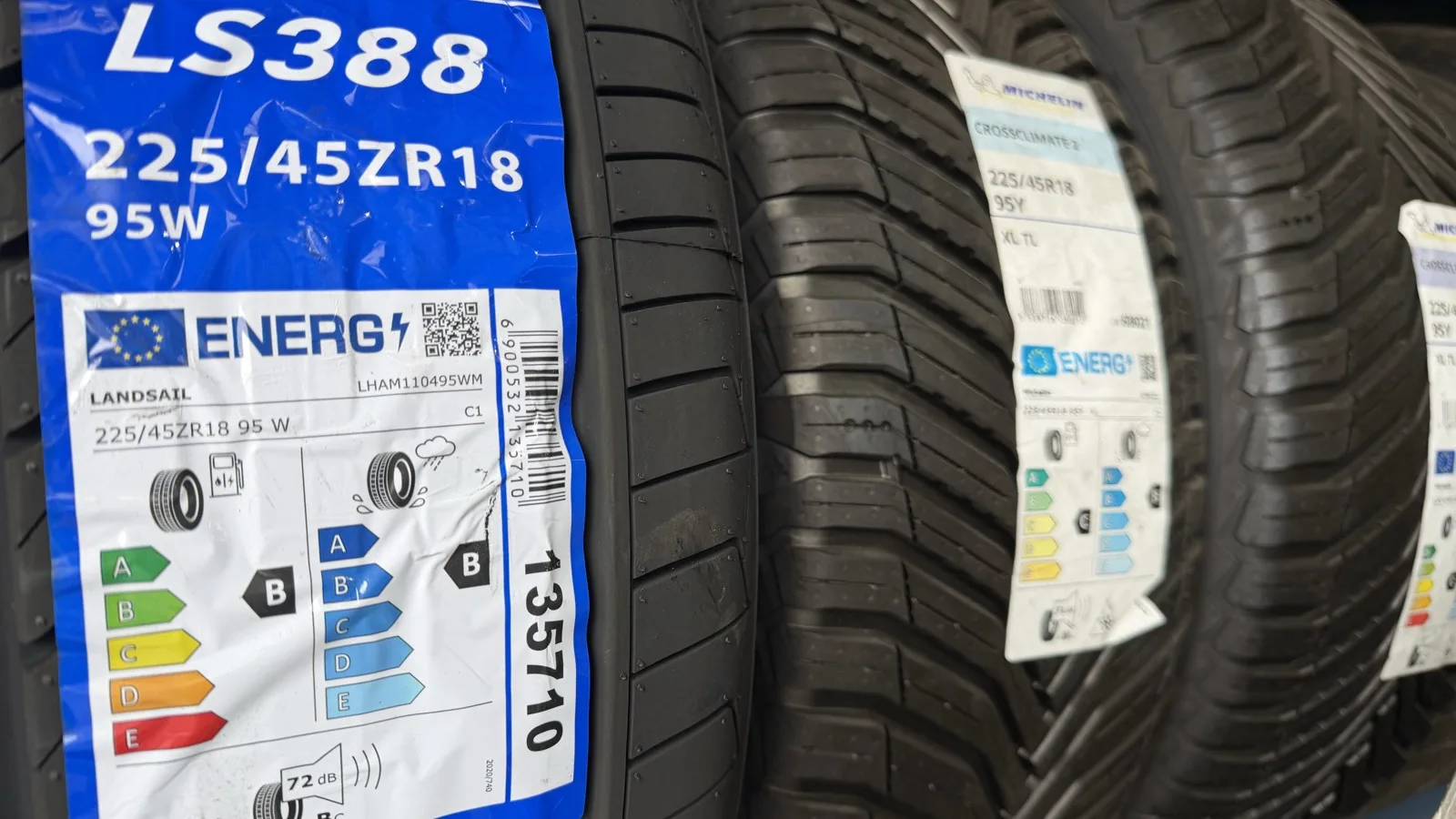
A 235/35 R19 carries 82mm of sidewall. A 205/55 R16 carries 113mm. That difference is the entire crumple zone between a pothole and your wheel rim, and on a British road in February it gets used. The failure is rarely a slow puncture: it is a split sidewall, a cracked rim, or both at once, and the car is not going anywhere on the space saver it probably does not have. This is the single most common reason people call us about a performance tyre, and it is why we would rather talk to you about wheel size before you order than about recovery afterwards. If your car offers two wheel options and you drive on ordinary roads, the smaller one usually makes the better car as well as the cheaper one.
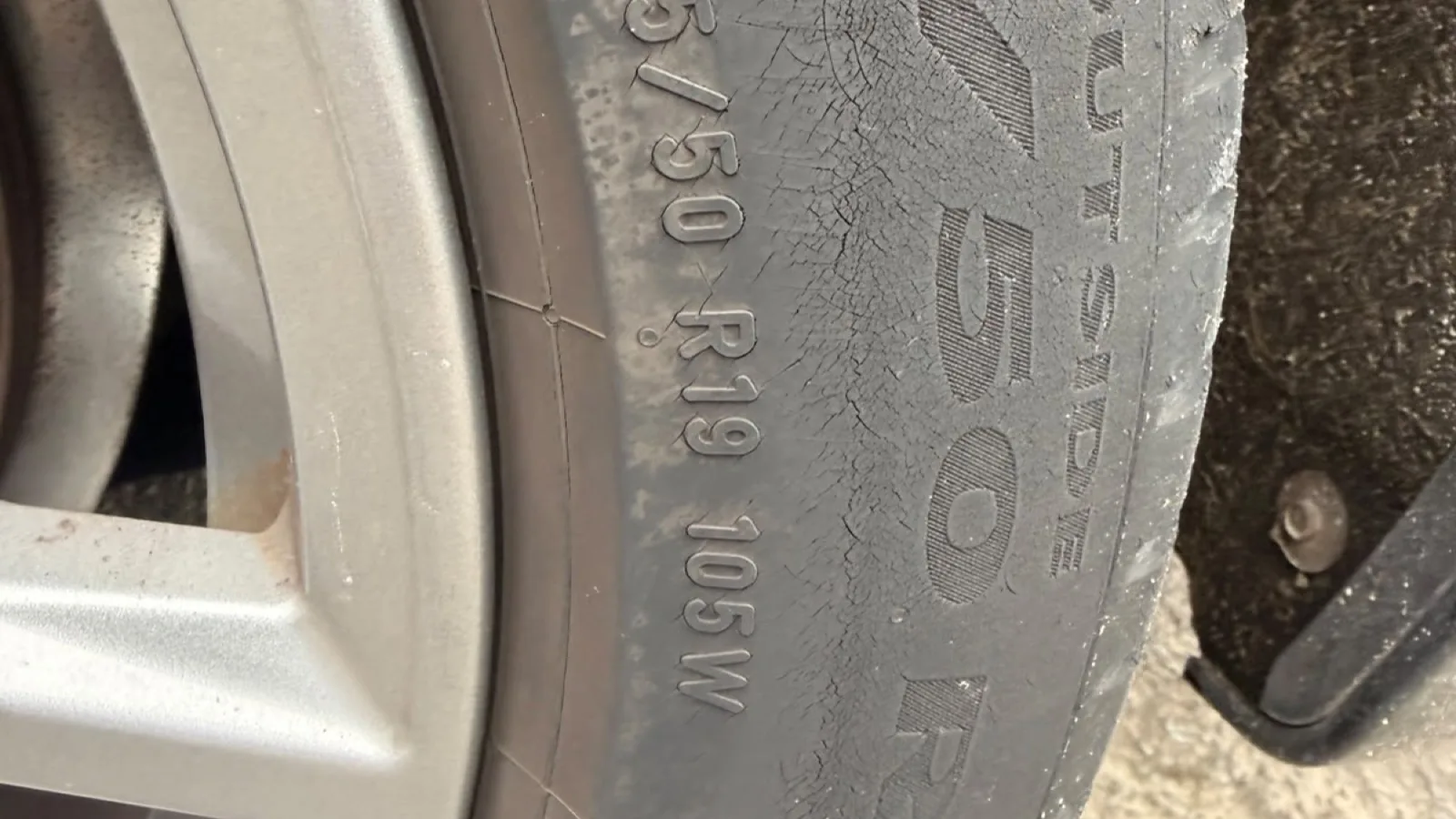
Every page currently ranking for performance tyres assumes you can get the car to them. Think about what actually happens when a UHP tyre lets go. The tyre is destroyed, the car is sitting on a rim, and because it is a performance car there is a good chance there is no spare in the boot, only a sealant kit that will not touch a split sidewall. A recovery truck, a day without the car and a garage appointment is the normal outcome. We carry the equipment to fit low profile and run-flat tyres at the side of the road, we are out every hour of every day, and there is no call-out charge because the fitting is priced into the tyre. If the rim is bent as well, we will tell you before we fit anything rather than putting a new tyre onto a wheel that will not hold air.
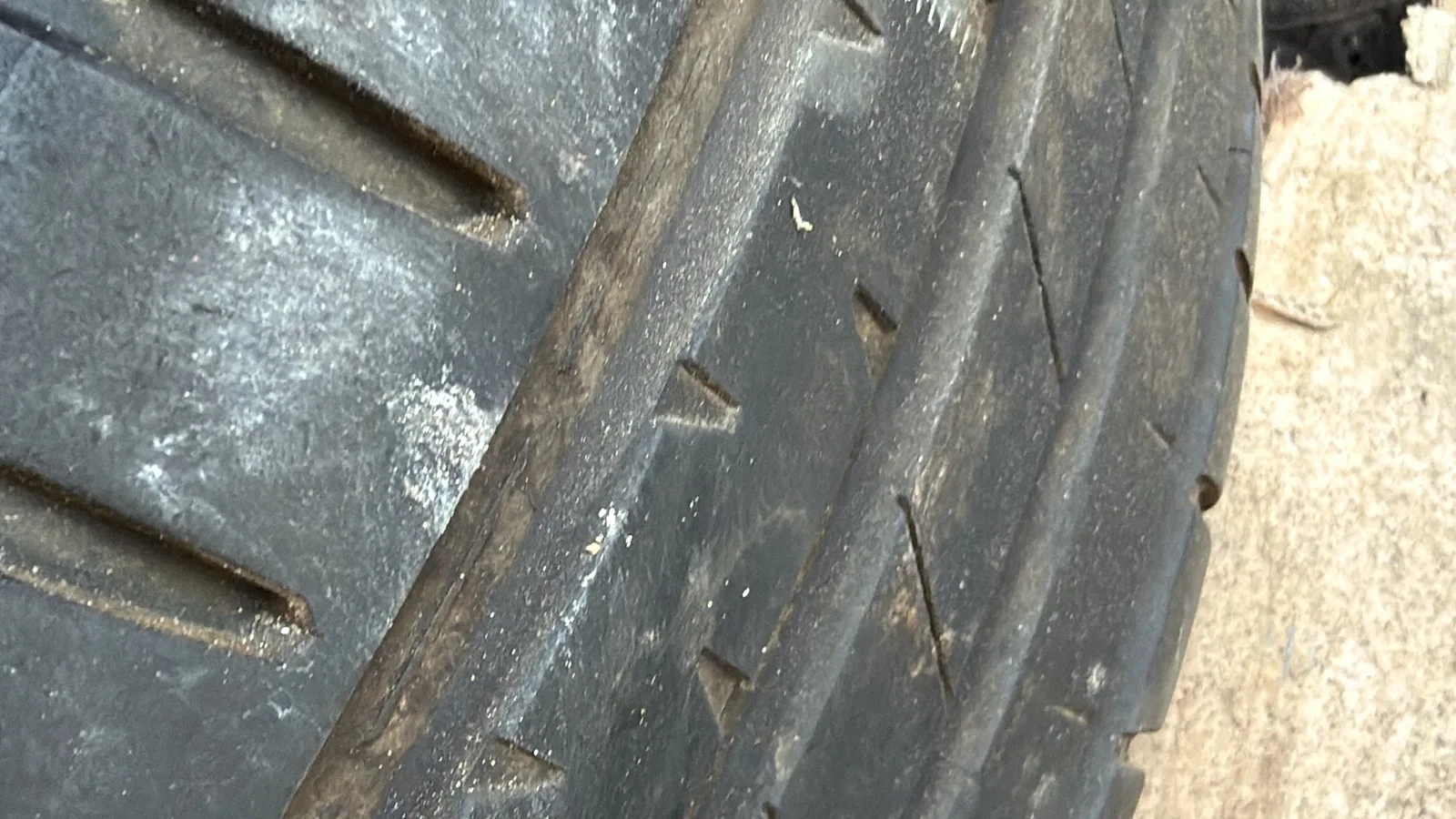
The guides that answer the question behind the question.
 Run-flat tyres explainedPros, cons, cost and whether yours can be repaired.Read the guide →
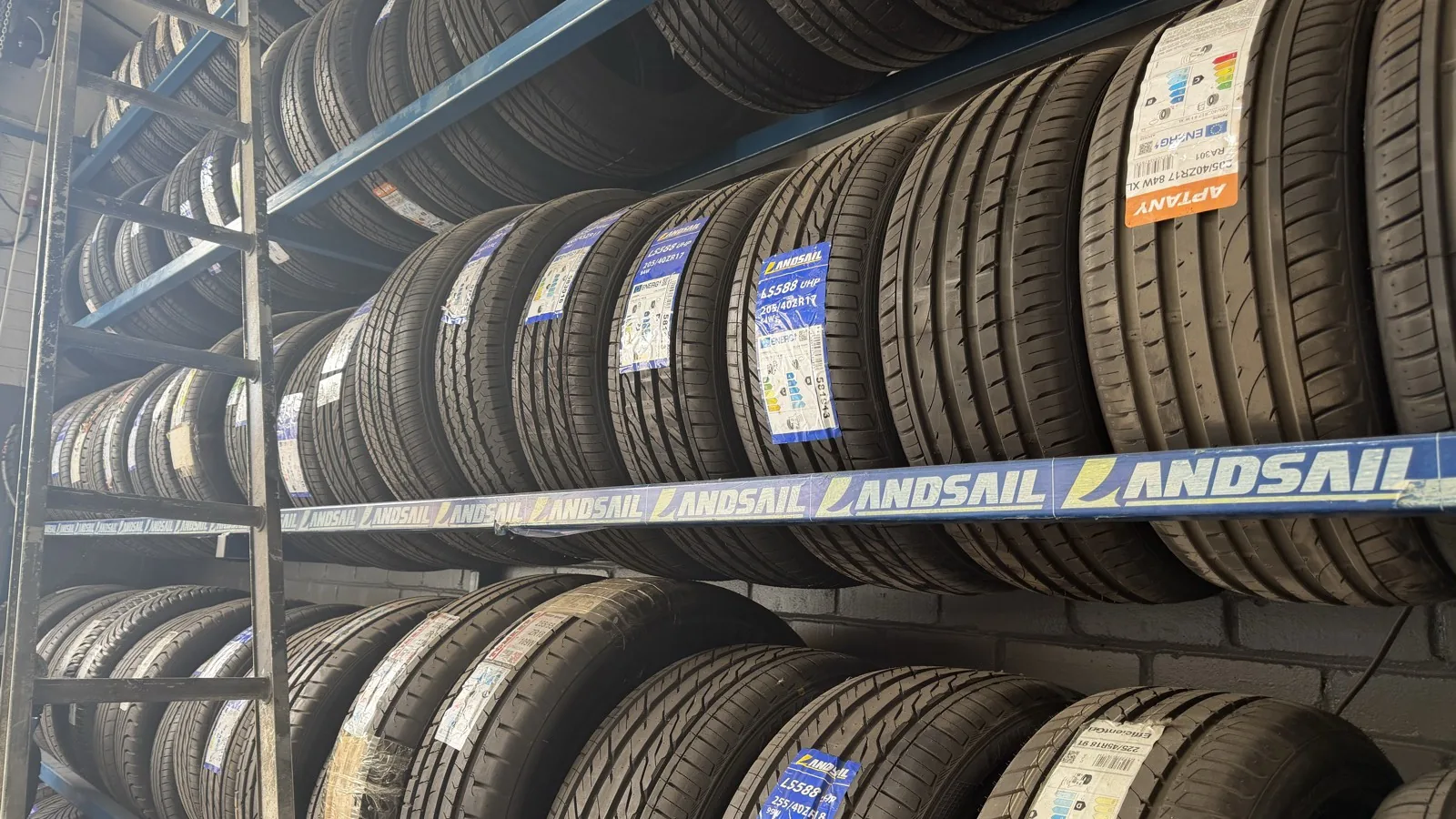 Tyre speed rating and load indexThe letter and the number, properly explained.Read the guide →
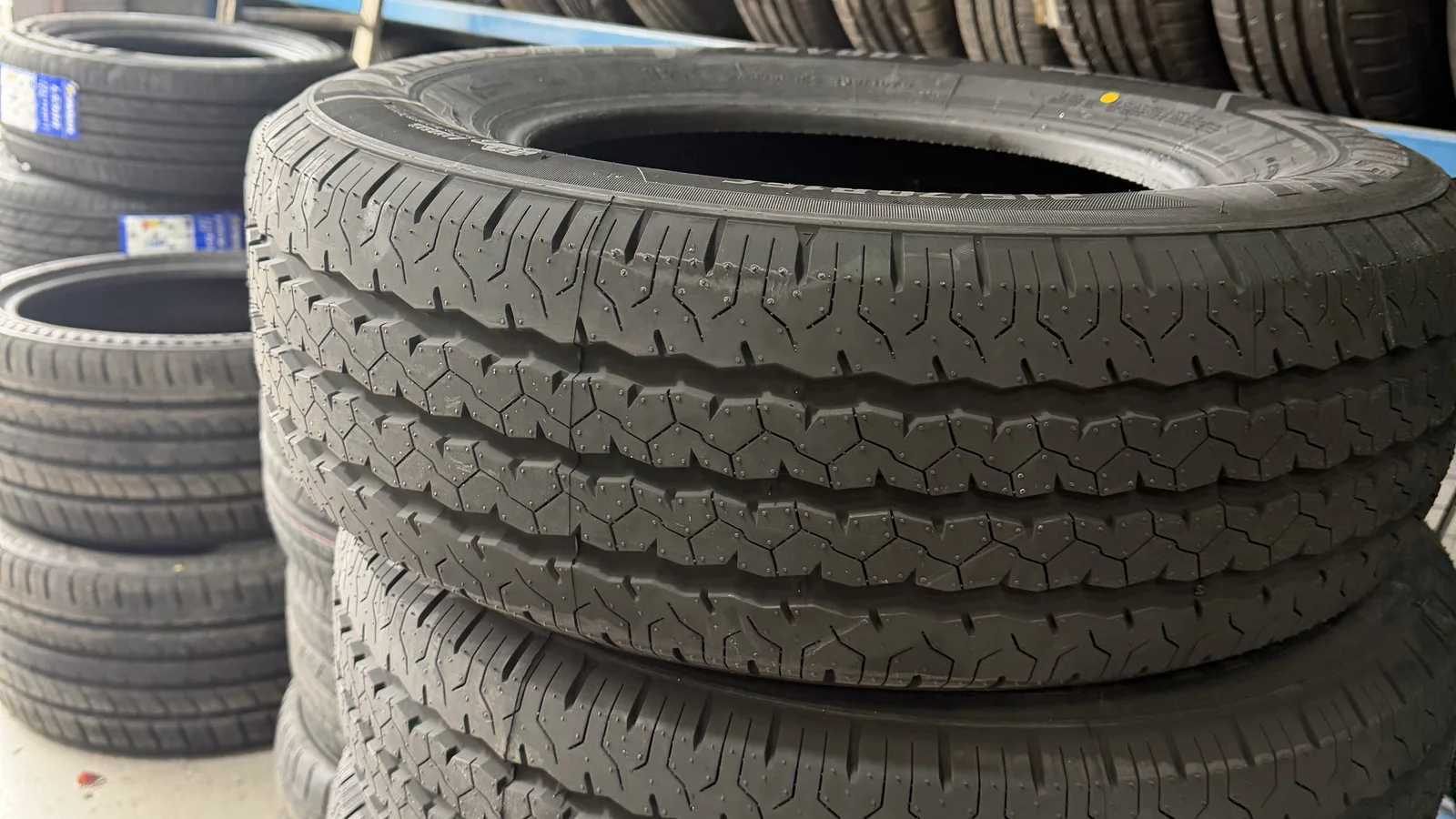 Low-profile tyres: worth it?Sharper steering against potholes and bent rims.Read the guide →
 Pothole damage: spot it and claimWhat to check, and how to claim the cost back.Read the guide →
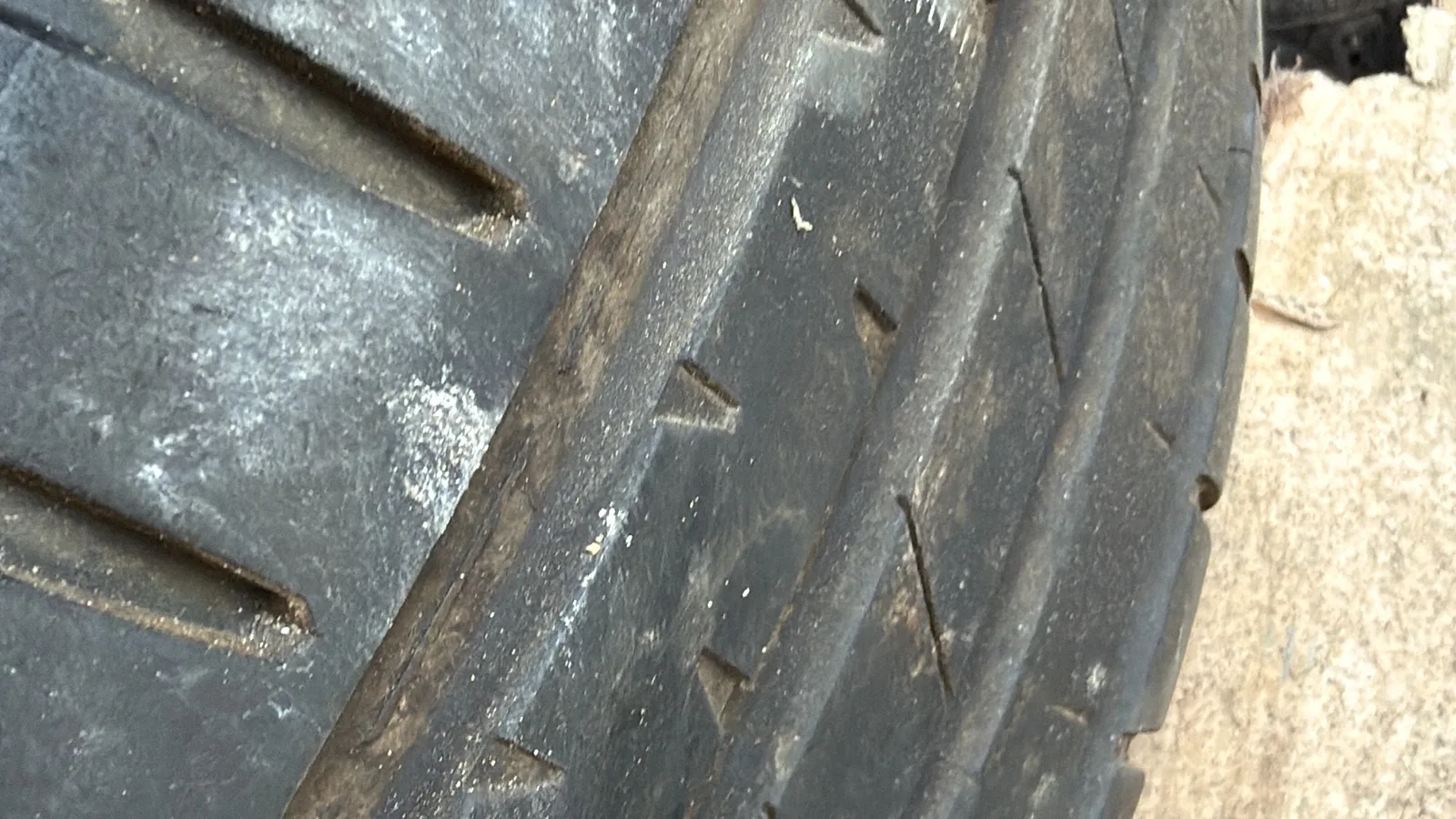 Directional vs asymmetric tyresWhich way round they go, and why it matters.Read the guide →
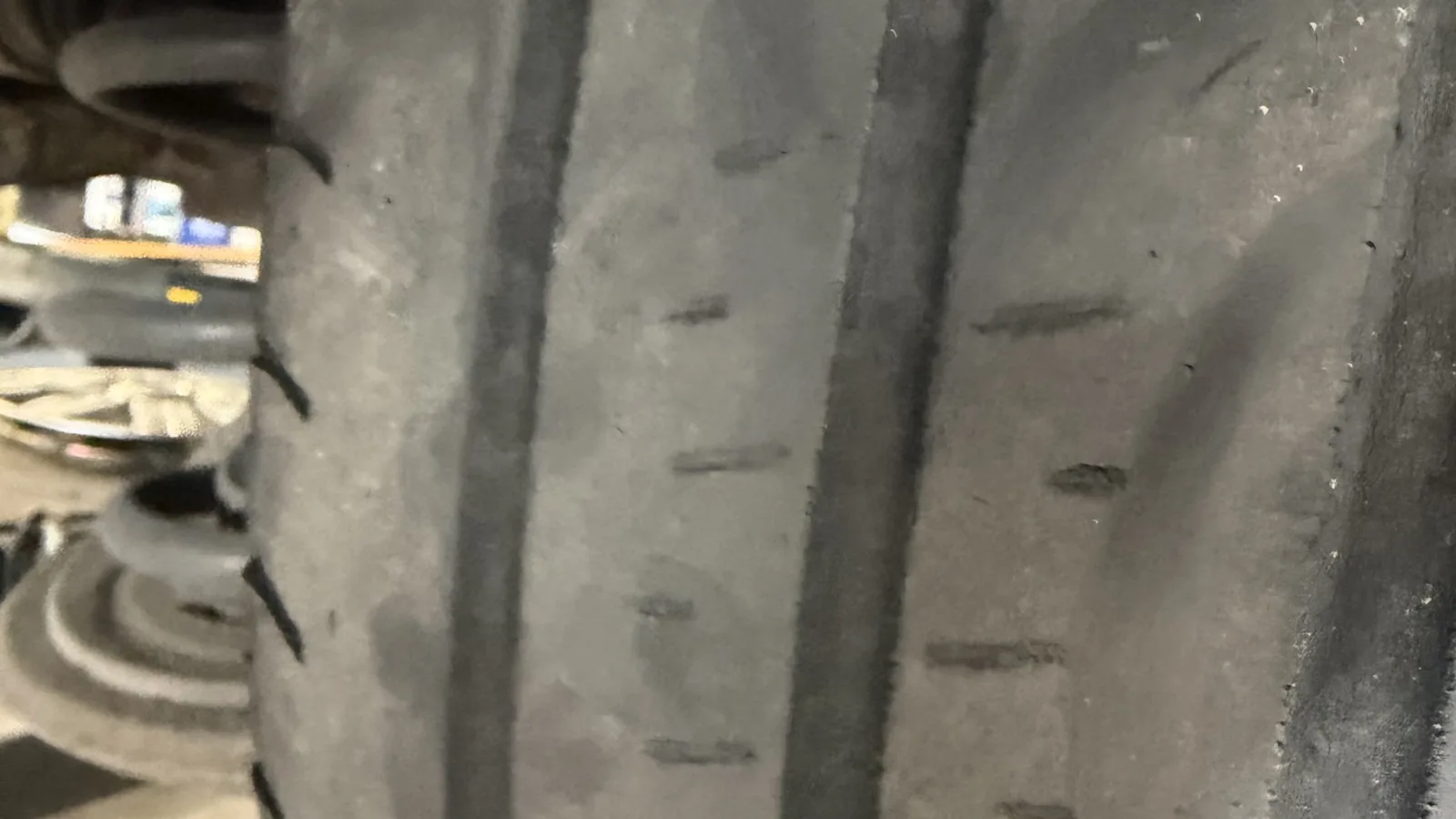 Why are my tyres so noisy?Usually the wear pattern, not the tyre.Read the guide →
4.4★★★★★average rating on Google
Got us out of an unfortunate place of a Luton van blowout, super quick helpful and fairly priced!
Stranded in a car park with no spare! Called and they came within the hour, changed the tyre and was on my way 20 minutes later. Great service, delighted they made it so easy.
Brilliant service, same day, quick and easy. Was really rushed for time and they moved things around to ensure they got to me to get it fixed. Would defo recommend
Send the size and your location on WhatsApp. Low profile and run-flat fitted at the roadside, 24 hours a day, no call-out charge.
Every hour you leave a flat tyre on a car is an hour you cannot use it. The van is on shift now, send the size.
What drivers of quick cars actually ask us before buying a set.
A performance tyre uses a softer, grippier compound and a stiffer sidewall than a touring tyre, so the car turns in faster and holds more grip. They are rated V, W or Y, meaning 149, 168 or 186mph, and that rating is really a measure of construction rather than an instruction.
The trade splits them into HP, high performance, usually V rated, and UHP, ultra high performance, usually W or Y on a low profile. UHP is where the compound gets seriously soft and the sidewall seriously short.
You will find these as original equipment on hot hatches, fast estates, sports cars and most premium saloons on large wheels. Our speed rating and load index guide covers the letters in detail.
Considerably less than a touring tyre, and that is by design rather than by fault. A hard-driven ultra high performance tyre can be finished between 12,000 and 18,000 miles. Pirelli's own guidance for the P Zero sits in that region.
The soft compound that gives you the grip is the same compound that wears. Nobody has found a way round that, and a manufacturer promising both is selling you one or the other.
If your car came on UHP tyres and the mileage horrifies you, there is usually a V rated touring option in the same size that will last half as long again and be quieter. We will quote both and tell you what you give up.
A modern performance tyre is very good in warm rain and noticeably worse in cold rain. The compound is optimised for temperature, and below about 7 degrees it hardens and grip falls away.
That matters in the North West, where we are below 7 degrees for a large part of the year. A UHP summer tyre on a January morning is the single most common reason a quick car feels unexpectedly nervous.
If you drive the car all year, look at a performance all-season tyre instead. Several manufacturers now make W rated all-seasons that give up very little in the dry.
W means the tyre is built to sustain 270 km/h, which is 168mph. Y is 300 km/h or 186mph, V is 240 km/h or 149mph and H is 210 km/h or 130mph.
It is a construction and heat-resistance standard, not a quality ranking and not a target. A W rated tyre has a stiffer carcass designed to stay stable and shed heat at sustained speed, which is why it also feels sharper at 40mph.
One precise caveat worth knowing, which Avon states plainly: the speed symbol only applies to a tyre in sound condition, correctly fitted and at the recommended pressure. An underinflated W rated tyre is not a W rated tyre.
You should not, and on most policies it is a genuine insurance problem rather than a technicality. Fit the rating in the handbook or higher.
The exception written into the rules is the space saver spare, which carries its own much lower rating and a 50mph limit printed on the sidewall.
Going higher than standard is allowed. It will usually firm the ride up slightly and can cost you a little comfort for grip you may never use, so it is not automatically an upgrade.
They are car maker approvals. MO is Mercedes, AO is Audi, a star is BMW, N with a number is Porsche, RO1 is Audi Sport, J or LR is Jaguar Land Rover and T0 is Tesla.
Performance cars are exactly where these appear and exactly where they matter, because the approved version is often a different construction from the unmarked tyre of the same name. On a car with adaptive dampers or four-wheel drive that changes how it behaves.
The numbers are generations, not grades. A Porsche N0 and an N2 are different specifications. We read the marking off the tyre coming off before quoting the one going on.
If the car came on them, yes, match the rating. If you are choosing to upgrade a normal car, probably not: you will pay more, replace them sooner and gain grip you will not use on a wet B road.
Where they are genuinely worth it is a car with the power and the chassis to use them, driven by somebody who enjoys it. Where they are wasted is a diesel estate doing motorway miles.
Tell us the car and how you actually use it. We would rather sell you the right tyre twice than the wrong tyre once.
Usually louder than a touring tyre, yes. A wide tread with big blocks and little sipe pattern makes more noise, and a short sidewall transmits more of it into the cabin.
The EU label gives you the external noise figure in decibels with an A to C class, so you can compare before you buy. Several premium performance tyres are also sold with a foam ring bonded inside to absorb cabin noise, marketed as Acoustic, ContiSilent, PNCS or Sound Absorber.
If the noise has appeared suddenly rather than being there from new, that is wear, not the tyre. See why tyres get noisy.
They sharpen the steering and they look right on a big wheel. They also ride harder, cost more, are far more likely to be destroyed by a pothole, and a bent alloy is an expensive addition to a ruined tyre.
A 235/35 R19 has an 82mm sidewall. A 205/55 R16 has 113mm. That extra rubber is what absorbs the pothole instead of the rim doing it.
If your car offers two wheel sizes and you drive on ordinary British roads, the smaller one is usually the better car. Read low profile tyres and pothole damage.
Many do, particularly BMW and MINI, and a lot of owners do not realise it until they get a puncture and find there is no spare in the boot.
A run-flat has a reinforced sidewall that supports the car for a limited distance at reduced speed after it deflates. The trade-off is a harder ride and a higher price, and once it has been run flat it should normally be replaced rather than repaired.
Read run-flat tyres explained. If you are not sure whether yours are run-flats, send us a photo of the sidewall and we will tell you.
High performance is generally V rated with a profile around 45 or 50. Ultra high performance is generally W or Y rated on a 40, 35 or 30 profile, with a softer compound and a stiffer carcass.
The #1 page currently ranking for this term uses both phrases interchangeably and never draws the line, which is unhelpful, because the practical difference is large: UHP is where tread life drops sharply and cold-weather grip becomes a real consideration.
Tell us the car and the size and we will say which category you are actually in.
Yes, and it is one of the jobs mobile fitting is best suited to. A destroyed low profile tyre on a 20 inch rim usually means the car cannot be driven anywhere, including to a garage.
We carry the equipment to fit low profile and run-flat tyres properly, and we come to the car rather than asking you to recover it. We are out 24 hours a day across the North West and North Wales and there is no call-out charge.
Send your size and location on WhatsApp or call 0300 124 6981. If the wheel is bent as well as the tyre, we will tell you straight away rather than fitting a new tyre to a rim that will not seal.
Across an axle, yes. The two tyres on one axle must match in size, construction and speed rating, and on a powerful car a grip mismatch across an axle is far more noticeable than on a hatchback.
Many performance cars are also staggered, with wider tyres on the rear than the front, so front and rear are different sizes from the factory and must stay that way.
If the car has four-wheel drive, check the handbook before replacing only two. Some systems are sensitive to a rolling circumference difference between axles. Our guide on replacing all four or just two covers it.
More than a standard tyre, and the gap widens fast with rim size. Prices move too often for a figure printed here to stay true, so we quote your exact size rather than a range.
What you get is one price covering the tyre, fitting, a new valve, balancing and disposal, with no call-out fee. Large low profile sizes are usually a next day order rather than van stock, and we will tell you which yours is.
Pay monthly is available on two tyres or more at 0% interest subject to status, which on a set of four UHP tyres is worth knowing about.