Welcome to

Mobile tyre fitting · North West & North Wales · We fit around you

Approved by the AA and RAC. No call-out charge. Around 32 minutes on average, 24 hours a day.
info@yournewtyres.co.ukTell us your name and tyre size — we will reply on WhatsApp with a price and an ETA.
Nitrogen is only slightly better than air in tyres for an everyday car. Normal air is already about 78% nitrogen. Pure nitrogen seeps out a little more slowly and carries no moisture, so pressures stay steadier for longer. But a monthly pressure check does far more good than the gas inside.
Here is the short version, point by point:
That is the honest picture. What tyre pressure should my car be is the part that really matters.
Why the fuss, then? Because nitrogen is used where tyres work very hard. Aircraft and racing cars run it, because their tyres get very hot and very cold, and small pressure swings matter a lot. A family car on the school run is a different world. The gain there is real, but it is small. Tyre myths busted covers other bits of advice that sound better than they are.
Worried about your pressures, or a tyre that keeps going down? That is not a gas problem. It is usually a leak. Send a photo on WhatsApp to 07943 185471 or call 0300 124 6981. We come to you, find the cause and fix it. More answers sit in our tyre guides.
The size is on the sidewall of the tyre, or send us a photo of it. It lands with the fitter on shift. No call-out charge, and the fitting is already in the price.
You are through to YourNewTyres. What size are the tyres?
The size is printed on the sidewall, like 205/55 R16. Send that and where you are, and I will come back with a fitted price and the next slot.
A photo of the sidewall does the job if you would rather not type it out.
Opens WhatsApp with your message ready to send
Covered here: what is the difference between nitrogen and air in tyres; does nitrogen keep tyre pressure for longer; is nitrogen worth paying for on a normal car; can you mix nitrogen and air in tyres; when does nitrogen actually make a difference.
The air around us is about 78% nitrogen and about 21% oxygen, with a little water vapour and other gases. So a tyre filled with normal air is already mostly nitrogen. A nitrogen fill just takes out most of the oxygen and the moisture.
That changes two things. Oxygen passes through tyre rubber a little faster than nitrogen does, so a tyre full of nitrogen loses pressure a bit more slowly. And with no water inside, there is less moisture to affect the pressure as the tyre heats up, and less to sit against the inside of the wheel.
What it does not change is just as important. The tyre still loses some pressure over weeks and months. Nails still cause punctures. Valves can still leak. Bent rims still let air out. And the pressure still drops when the weather turns cold. Nitrogen is a small tweak to the gas, not a fix for the tyre. The tyre, the valve and the wheel decide far more than what is inside.
A little, yes. Because nitrogen escapes through rubber more slowly than oxygen, a nitrogen tyre tends to stay nearer its set pressure for longer between checks. That is the main real benefit, and it is the one most honest sellers point to.
But the gap is small, and it is swamped by other things. A tiny leak at the valve or the bead will empty a nitrogen tyre just as surely as an air one. And the weather moves the needle much more than the gas does.
Cold air lowers tyre pressure by roughly 1 psi for every 10F drop, about 0.1 bar for every 10C. That happens with nitrogen too, because every gas contracts when it cools. So on the first frosty morning of the year, a nitrogen tyre can still trigger the warning light. Cold weather tyre pressure explains why that light comes on in the frost, and what to do when it does.
For most drivers, no. If a garage offers it free with new tyres, there is no harm in saying yes. If it costs extra, the money is better spent elsewhere.
Here is why. The big wins for tyre life, fuel and grip come from running the right pressure. A driver who checks air filled tyres every month will beat a driver who fills with nitrogen and forgets about them. Every time. A simple gauge costs little and lasts for years.
The other thing to spend on is the tyres themselves. Tread depth and a good wet grip grade do far more for safety than the gas inside. Tyre labels explained shows how to compare wet grip. And when your tyres are worn, no gas makes them safe. How long do tyres last helps you judge how long yours have left, and what to budget for next.
Yes. Mixing nitrogen and normal air is completely safe. If your tyres were filled with nitrogen and you need to top them up, use the air line at a petrol station or a pump at home. Nothing bad happens.
You lose a little of the nitrogen benefit, because some oxygen and moisture go back in. But since air is mostly nitrogen already, the mix is still mostly nitrogen. A correctly inflated tyre with mixed gas is far better than an underinflated tyre full of pure nitrogen.
Tyres filled with nitrogen often have green valve caps, so the next person knows. The caps are just a marker. They do not change how the tyre works, and you can swap them for normal caps. The important thing is that every valve has a cap, because it keeps dirt out of the valve core. TPMS sensors covers the valves on cars with pressure sensors.
Nitrogen earns its place where tyres face big swings in heat and pressure. Aircraft tyres go from freezing at altitude to very hot on landing. Racing tyres heat up fast on track. In both, steady pressure and no moisture matter a lot, and the cost is small next to everything else.
Some heavy vehicle fleets use it too, because their tyres carry big loads for long distances and a small gain across hundreds of tyres adds up.
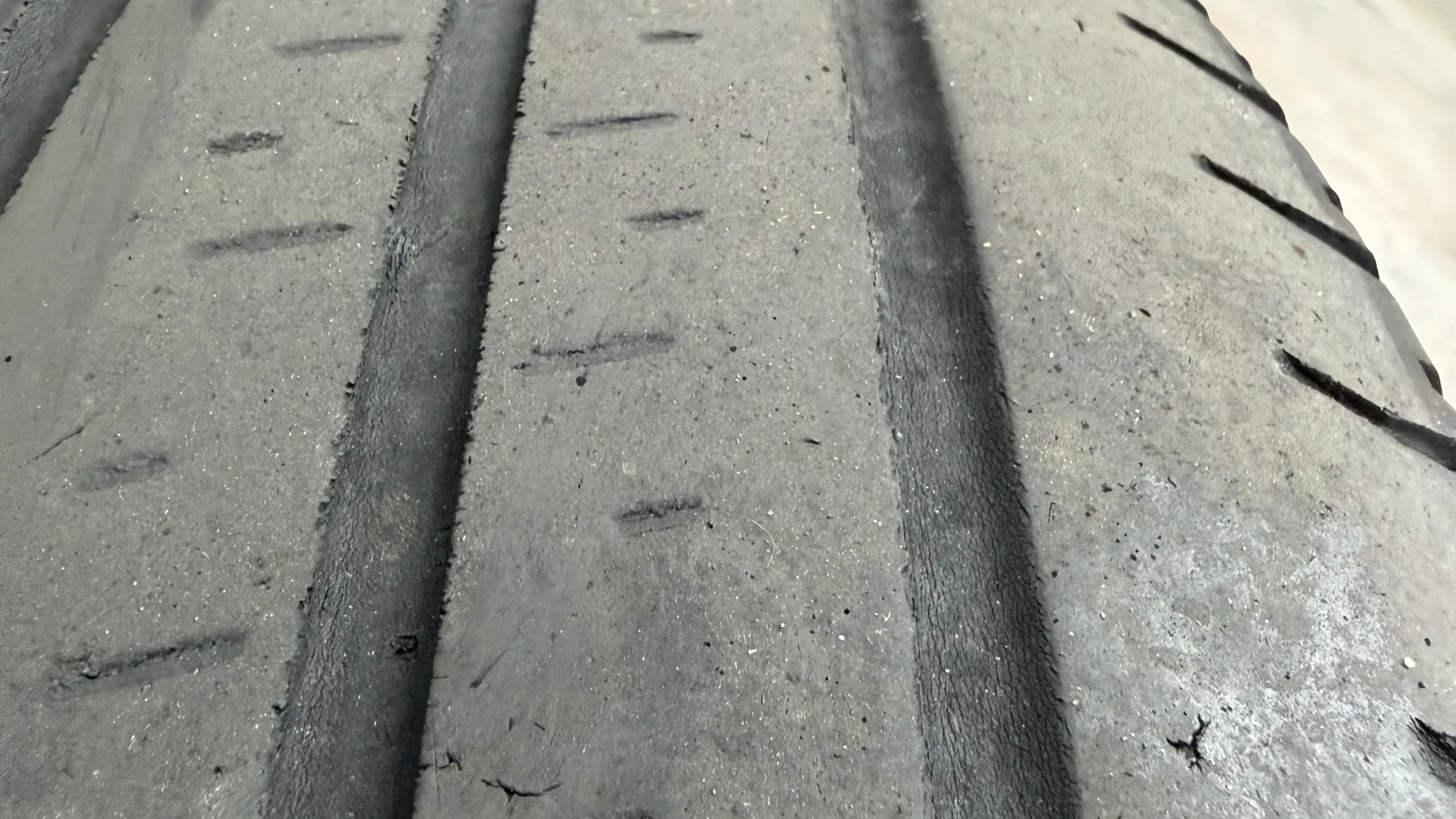
For a car that does the school run, the commute and the odd motorway trip, the difference is hard to notice. You will not feel it in the steering. You will not see it on the fuel gauge. What you will notice is a tyre that has been left soft for a month. It wears on both edges, uses more fuel and grips less in the rain. Uneven tyre wear shows what low pressure does to the tread.
The questions that usually come next.
 Correct tyre pressureWhere to find it and how to set it.Read the guide →
 Cold weather tyre pressureWhy the light comes on in the frost.Read the guide →
 TPMS warning lightWhat the tyre light is telling you.Read the guide →
 Tyre myths bustedThe advice that is out of date.Read the guide →
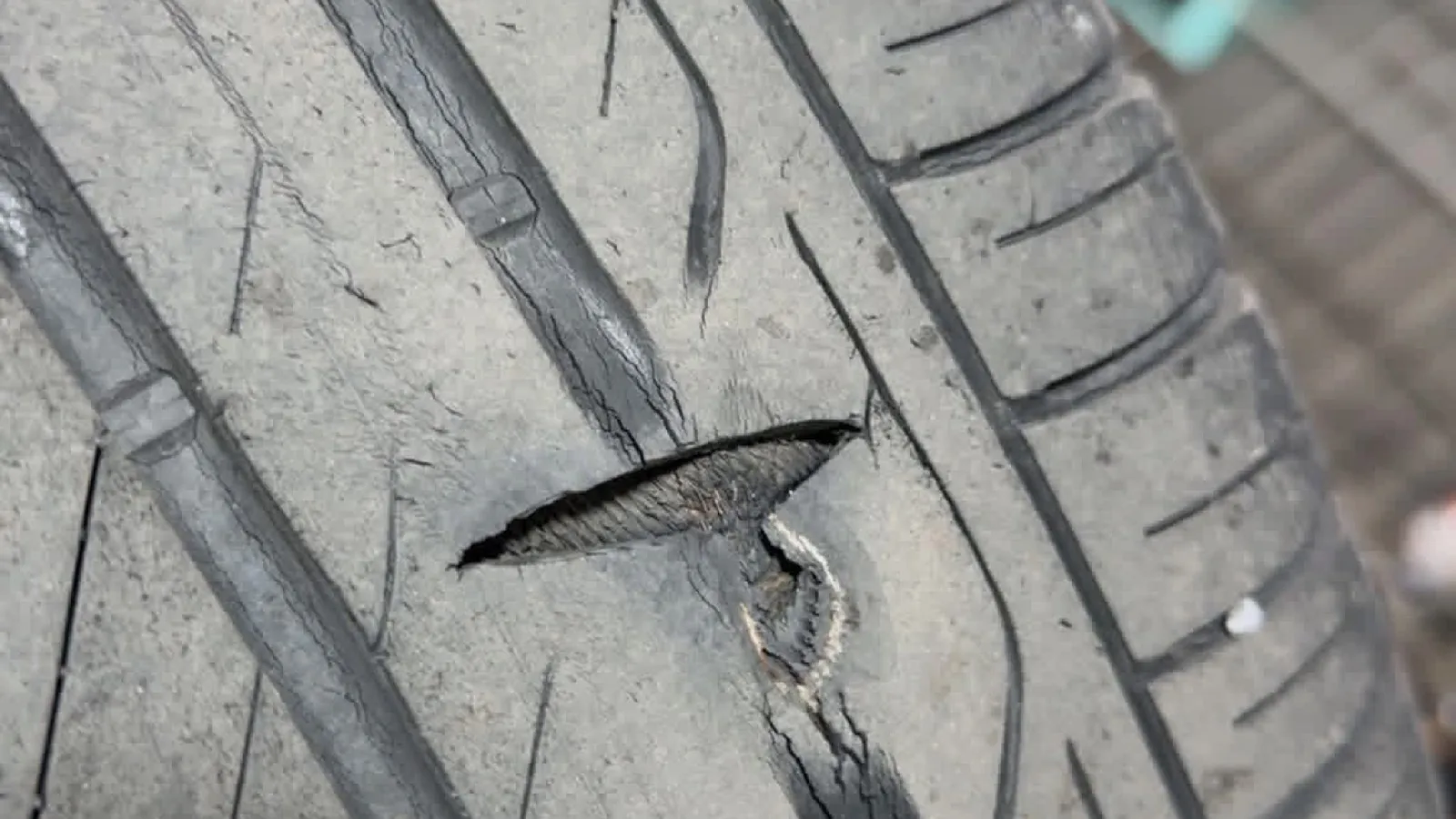 Slow puncture: causes and signsThe tyre that keeps going down.Read the guide →
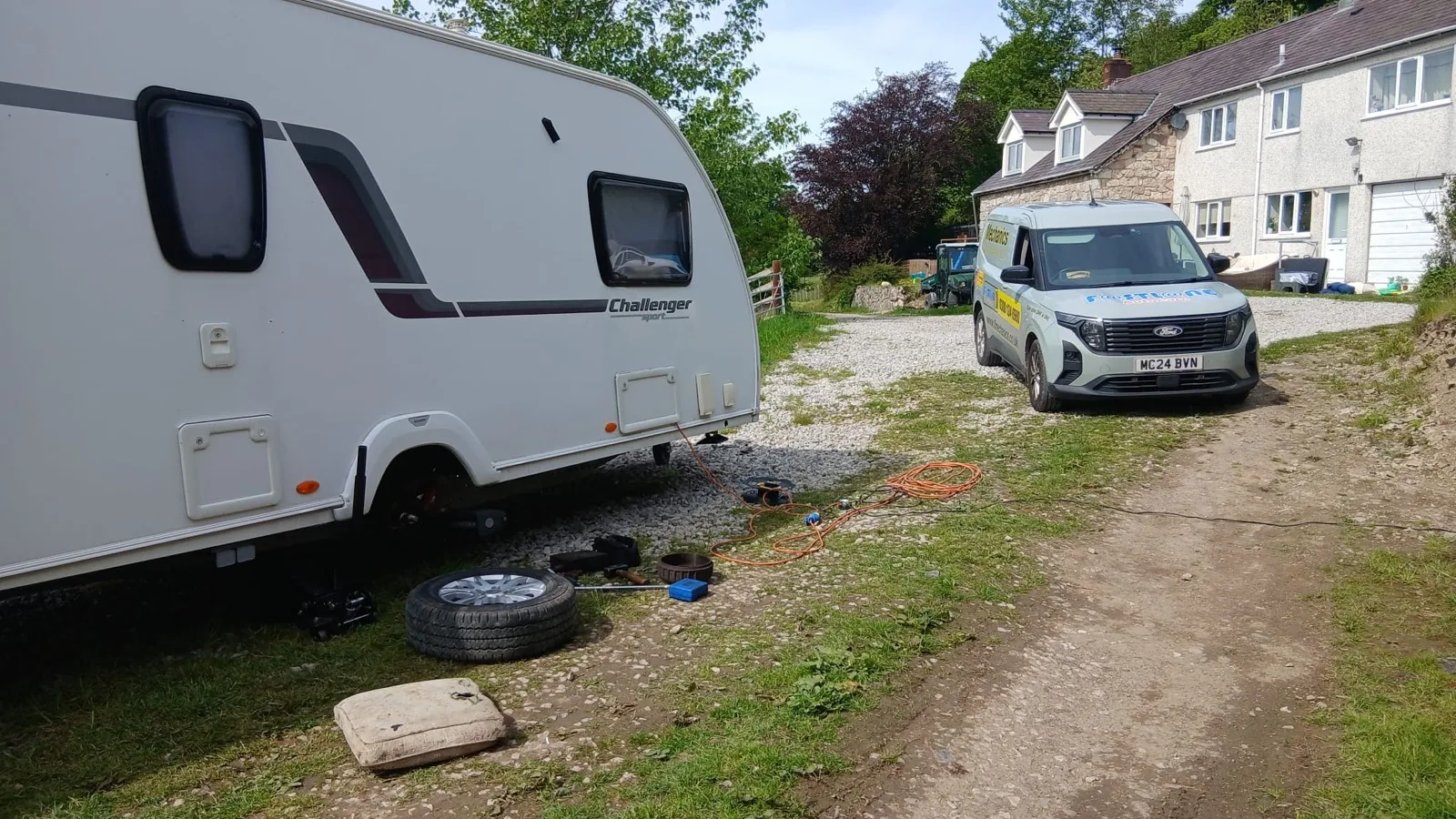 How to check your tyresRead the full guide.Read the guide →
The honest version, without the upsell.
Normal air is about 78% nitrogen already. A nitrogen fill mainly takes out the oxygen and the moisture.
Nitrogen seeps through rubber more slowly than oxygen, so pressure holds a bit longer between checks.
Nitrogen carries no water, which helps keep pressure steady as the tyre warms up on a long run.
Every gas shrinks when it cools. A nitrogen tyre still loses pressure on a frosty morning.
Top up a nitrogen tyre with normal air any time. It does no harm at all.
A monthly check with a gauge does far more for grip, fuel and wear than the gas inside.
All cheap or free. All more useful than the gas.
Set the pressure with the tyres cold, to the figure on the door plate or in the handbook.
Petrol station gauges vary. Your own gauge gives the same reading every time.
The first frost drops pressures. Top them up rather than wait for the light.
Every valve needs a cap to keep dirt and water out of the core.
One tyre always lower than the rest has a leak. Find it, do not just refill it.
Legal is 1.6mm across the central three quarters. No gas makes worn tread safe.
What happens after you message, wherever the car is parked.
A tyre that keeps going soft, a warning light that will not clear, or worn tread. Send a photo and the size or registration on WhatsApp.
If it is a leak, we say so. If it is a new tyre, you get a fitted price. If it is nothing, we tell you that too.
Home, work or the roadside across the North West and North Wales, 24 hours a day, 365 days a year, with no call out charge.
Every tyre we fit is balanced on the van and inflated to the figure your car maker gives. Nuts are torqued by hand, and the job is done.
4.4★★★★★average rating on Google
Stranded in a car park with no spare! Called and they came within the hour, changed the tyre and was on my way 20 minutes later. Great service, delighted they made it so easy.
Brilliant service, same day, quick and easy. Was really rushed for time and they moved things around to ensure they got to me to get it fixed. Would defo recommend
Got us out of an unfortunate place of a Luton van blowout, super quick helpful and fairly priced!
That is a leak, not a gas problem. Send a photo and where the car is. We find it and fix it at your door, any hour.
Every hour you leave a flat tyre on a car is an hour you cannot use it. The van is on shift now, send the size.
The follow up questions drivers ask about nitrogen and air.
Nitrogen is slightly better than air, but only slightly for an everyday car. It seeps out of the tyre more slowly and carries no moisture, so pressures stay a little steadier. Normal air is already about 78% nitrogen, though, so the gap between the two is small.
Where the real difference lies is in how often you check. A tyre with the right pressure, whatever is inside it, grips better, wears evenly and uses less fuel. A tyre left soft for a month does the opposite, nitrogen or not. So if you want your tyres to perform, a gauge and a monthly habit beat the gas every time. What tyre pressure should my car be shows where to find your number.
If nitrogen comes free with new tyres, fine. There is no downside. If it costs extra, we would put that money towards better tyres. A good wet grip grade makes a much bigger difference on a rainy UK road. Tyre labels explained shows how to compare them. For a fitted price on new tyres, call 0300 124 6981 or send the registration on WhatsApp to 07943 185471.
Yes. You can safely mix nitrogen and normal air in the same tyre. If your tyres were filled with nitrogen and they need topping up, use any normal air line. It does no harm to the tyre, the valve or the wheel. The tyre just becomes a little less pure.
Some people worry that mixing undoes something important. It does not. Air is mostly nitrogen anyway, so a top up with air only adds back a bit of oxygen and moisture. The tyre still works exactly as it should. What matters is that the pressure is right. Never drive on a soft tyre because you are waiting to find a nitrogen pump. Cold weather tyre pressure explains why tyres often need a top up in winter.
If one tyre keeps needing a top up while the others stay put, that is a leak. Nitrogen will not fix it and air will not fix it. It could be a nail, a valve or a rim that no longer seals. Can you drive with a slow puncture explains the signs. Call 0300 124 6981 and we will find the leak at your door.
Green valve caps usually mean the tyres were filled with nitrogen. They are a marker for the next person who checks the tyres, nothing more. They do not change how the tyre or valve works, and you can top up with normal air or swap to plain caps.
Some garages fit them as standard when they use nitrogen. If you buy a used car with green caps, it just means someone filled the tyres with nitrogen at some point. After a few top ups with air, the tyres will be close to normal air inside anyway. Check the pressures and carry on as usual. There is nothing special you need to do. How to check your tyres covers the routine.
What really matters is that every valve has a cap of some colour. The cap keeps dirt and water out of the valve core. A missing cap can let grit in, and a valve that sticks can leak slowly. On cars with pressure sensors, the valve is part of the sensor, and a lost cap can lead to corrosion. TPMS sensors explains more.
Not directly. Nitrogen does not make a tyre roll more easily. What saves fuel is the right pressure, because a soft tyre drags more on the road. Nitrogen can help a tyre stay near the right pressure for a little longer, so any saving is small and indirect.
A driver who checks air filled tyres every month will get the same fuel benefit, or better. The easiest fuel saving from tyres comes from two things. Correct pressures, and a tyre with a good fuel efficiency grade on its label. The label grades rolling resistance from A to E. An A rated tyre rolls with the least effort, so the engine or motor works less. Fuel saving tyres explains what to look for.
If you drive an electric car, the same rules apply to range. Soft tyres cost miles. A tyre with a good rolling grade helps a little. Nitrogen is not the answer to either. A tyre pump and a reminder on your phone are. EV tyres explained covers tyres for electric cars. When you need new tyres, call 0300 124 6981 and we will quote options with their label grades side by side.
No. Nitrogen slows the natural loss of pressure a little, but it does not stop it. Every tyre loses some pressure over weeks, and tyres still lose pressure in the cold. A leak from a nail, a valve or the rim empties a nitrogen tyre just like an air one.
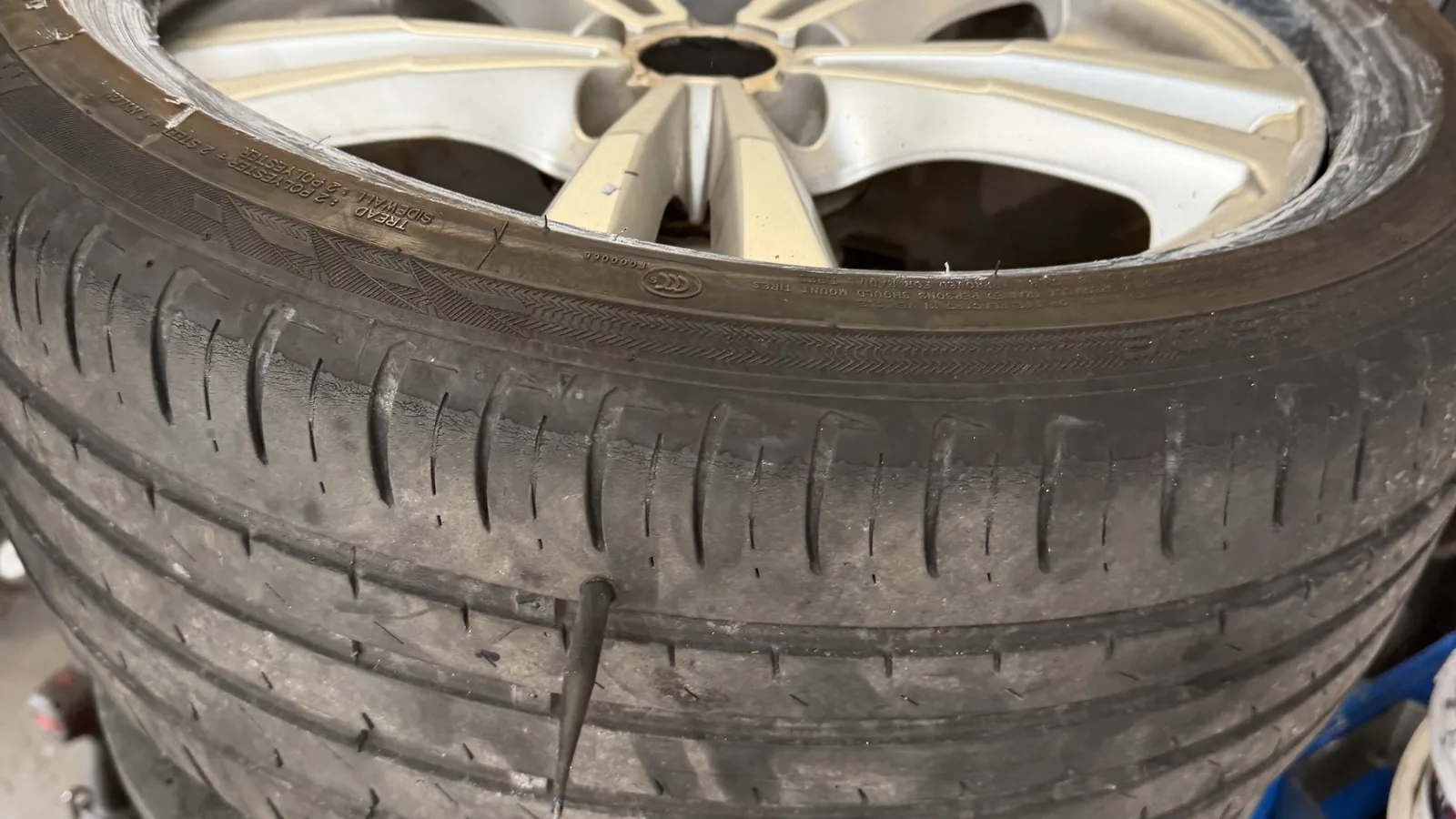
It helps to know the two kinds of pressure loss. The first is slow seepage through the rubber. That is normal, and nitrogen slows it a bit. The second is a leak, and that is a fault. A leak shows as one tyre dropping faster than the others. Nitrogen does nothing for a leak except hide it for a little longer. The leak keeps growing while you wait. Nail in tyre covers the most common cause.
So keep checking, whatever is inside. Once a month, with the tyres cold. If one tyre is always the low one, get it looked at before it goes flat at a bad moment. A tread puncture can often be repaired to BS AU 159 for £39.95. Puncture repairs explains how, or call 0300 124 6981. We take the tyre off the rim and check inside before any repair.
No. Set nitrogen filled tyres to exactly the same pressure as air filled ones. Use the figure on the door plate, inside the fuel flap or in the handbook, checked with the tyres cold. The gas inside does not change what the car maker wants.
Some people think nitrogen needs a lower or higher figure because it behaves differently. It does not, not in any way that matters on the road. The pressure your car needs depends on its weight, the load you carry and the tyre size. Many cars list a higher figure for a full load or a long motorway run. What tyre pressure should my car be shows where to look.
Check with the tyres cold, before you drive or after the car has stood for a few hours. A warm tyre reads higher, and letting air out of a warm tyre leaves it soft once it cools. That catches out a lot of drivers at the petrol station. How to check your tyres has the routine. Call 0300 124 6981 if a tyre will not hold its figure.
No. Nitrogen does nothing to stop a puncture. A nail, a screw or a sharp edge goes through a nitrogen tyre exactly as it goes through an air one. The gas only affects how slowly the tyre loses pressure through the rubber, not how strong the rubber is.
If you want some protection from punctures, there are tyres built for it. Some have a sealing layer inside that closes small holes. Others can run for a short distance with no air at all. Both cost more and suit some drivers more than others. Neither needs nitrogen to work, and both still need a monthly pressure check. Self sealing tyres and run flat tyres explained cover the options.
For most drivers the best protection is simple. Keep the pressure right, because a soft tyre is easier to damage. Look over the tread now and then for anything stuck in it. And if you do pick up a nail, leave it in, because pulling it out lets the air rush out, and call 0300 124 6981. Can a punctured tyre be repaired explains what can be fixed.
Not really. Electric cars need the right pressure more than most, because they are heavy and soft tyres cut the range. But the right pressure comes from checking, not from nitrogen. Air in a well checked tyre does the same job for a lot less fuss.
Electric cars are hard on tyres. The weight and the instant pull wear the tread faster, and a soft tyre makes that worse. So set a reminder to check every month, and use the figure for your car, which is often higher than drivers expect. Many electric cars list a higher figure again for a full load, so check the plate before a long trip with the family on board. EV tyres explained covers load ratings, noise and wear on electric cars.
If you want to protect range, look at the tyre label too. A better rolling resistance grade helps a little on every charge. Fuel saving tyres explains the grades. We fit electric car tyres at home and at work, with the wheel balanced on the van and the pressure set to the figure your car maker gives. Call 0300 124 6981 for a fitted price.
No. The tyre pressure warning light reacts to the pressure in the tyre, not the gas. If a nitrogen tyre drops low, the light comes on just as it would with air. Nitrogen may mean the light comes on a little less often from slow seepage, but that is all.
The light often comes on in the first cold snap of autumn, when every tyre drops a little at once. That happens with nitrogen too. Top the tyres up to the right figure, and on some cars reset the system as the handbook says. Then watch it for a few days. TPMS warning light explains the different lights and what each one means.
If the light comes back after a top up, or one tyre is always lower than the rest, there is a leak or a sensor fault. Do not just keep resetting it. The light is doing its job, and the fault will not clear itself. TPMS sensor replacement covers sensor faults. Call 0300 124 6981 and we will check the tyre and the sensor at your door.
Race cars and aircraft use nitrogen because their tyres go through huge swings in heat and pressure, and small changes matter a lot. Dry nitrogen keeps pressures more predictable when a tyre gets very hot very fast. For an aircraft there is also less risk from oxygen at high heat.
On a race track, a tiny change in pressure changes how the car handles through a corner. Teams want every tyre to behave the same, lap after lap. Removing moisture helps with that. On an aircraft, tyres go from freezing at height to very hot on landing, with huge loads. In both cases the cost of nitrogen is tiny next to the rest of the operation. Performance tyres covers tyres built for fast road cars.
A road car does not see anything like those swings. The heat build up on a school run is small. That is why the benefit you read about for racing does not carry over to everyday driving. For road cars, the basics win. Tyre myths busted covers more advice like this. Call 0300 124 6981 with any questions.
Yes. Cold weather lowers the pressure in nitrogen filled tyres just as it does in air filled ones. Every gas shrinks as it cools. As a rough guide, pressure drops about 1 psi for every 10F, around 0.1 bar for every 10C. Nitrogen does not change that.
That is why so many warning lights come on during the first frosty week of the year. The tyres were fine in September and are low in November. Check them when the weather turns and top them up to the right figure, measured cold. Do it again after the first really hard frost, because the drop can be bigger than you expect. Cold weather tyre pressure explains it in full.
Winter is also when grip matters most. Check the tread before the dark nights arrive, and think about the right tyre for your driving. Winter driving checklist covers the rest of the car. If you need new tyres before winter, call 0300 124 6981 and we will fit them at home or at work. Short dark days are no problem, because the vans work around the clock.
No. Your new tyres do not need nitrogen. We inflate every tyre we fit to the pressure your car maker gives, balance the wheel on the van and torque the nuts. That is what keeps a new tyre safe and wearing evenly from the first mile.
After that, a monthly check keeps them right. If you would like nitrogen anyway, you can have it added later somewhere that offers it, and mixing with air is safe. It is your choice, and we will not push extras you do not need. What we will do is tell you if a tyre on the car has a problem while we are there. How does mobile tyre fitting work shows how the job runs.
We fit at home, work or the roadside across the North West and North Wales, 24 hours a day, with no call out charge. Payment is by a secure link sent to your phone, and a photo of the finished job is yours if you ask. Call 0300 124 6981 or send the registration on WhatsApp to 07943 185471. Mobile tyre fitting has the details.