Welcome to

Mobile tyre fitting · North West & North Wales · We fit around you

Approved by the AA and RAC. No call-out charge. Around 32 minutes on average, 24 hours a day.
info@yournewtyres.co.ukTell us your name and tyre size — we will reply on WhatsApp with a price and an ETA.
New car tyres often wear fast because the car maker picks a soft, grippy tyre for ride, handling and quiet, not for long life. Heavy cars, electric cars and powerful cars wear them faster still. Even wear across the tread is usually normal. Wear on one edge is not. That points to tracking or pressure.
You are not imagining it. The first set on a new car often goes sooner than the next. The car maker wants the car to feel sharp, quiet and comfortable on a test drive. Soft rubber does that. Soft rubber also wears away faster. How long tyres last covers what normal looks like.
The thing to check is how the tyre is wearing, not just how fast. Worn flat and even across the tread? That is just miles. Worn on the inside or outside edge only? The tracking may be out, and that is worth fixing before the next set goes the same way. Uneven tyre wear shows each pattern.
Not sure which you have? Send a photo of the tread and your registration on WhatsApp to 07943 185471, or call 0300 124 6981. A fitter tells you if it looks normal. Then we price a longer lasting set, fitted at your home or work.
The size is on the sidewall of the tyre, or send us a photo of it. It lands with the fitter on shift. No call-out charge, and the fitting is already in the price.
You are through to YourNewTyres. What size are the tyres?
The size is printed on the sidewall, like 205/55 R16. Send that and where you are, and I will come back with a fitted price and the next slot.
A photo of the sidewall does the job if you would rather not type it out.
Opens WhatsApp with your message ready to send
Covered here: why do factory tyres wear out so quickly; which cars get through tyres the fastest; is fast tyre wear on a new car a fault; what does running in new tyres mean; how do you choose replacement tyres that last longer; how can you make the next set last longer.
When a car is designed, the maker works with a tyre maker on the tyre it will leave the factory with. That tyre is tuned for the car. Sharp steering. A soft ride. Low noise. Good fuel figures, or good range on an electric car. Long life is on the list, but it is not at the top.
To get that feel, the rubber is often softer. Soft rubber grips well and rides well. It also wears faster, a little every mile. Add a new owner enjoying the car, and the first set can go quicker than you expect.
Some factory tyres carry a mark to show which car maker they were made for. A star is for BMW, MO for Mercedes, AO for Audi, VOL for Volvo and N0 for Porsche. You will see it on the sidewall near the size. It does not mean you must buy the same tyre again. It just tells you the tyre was built to that car maker's brief.
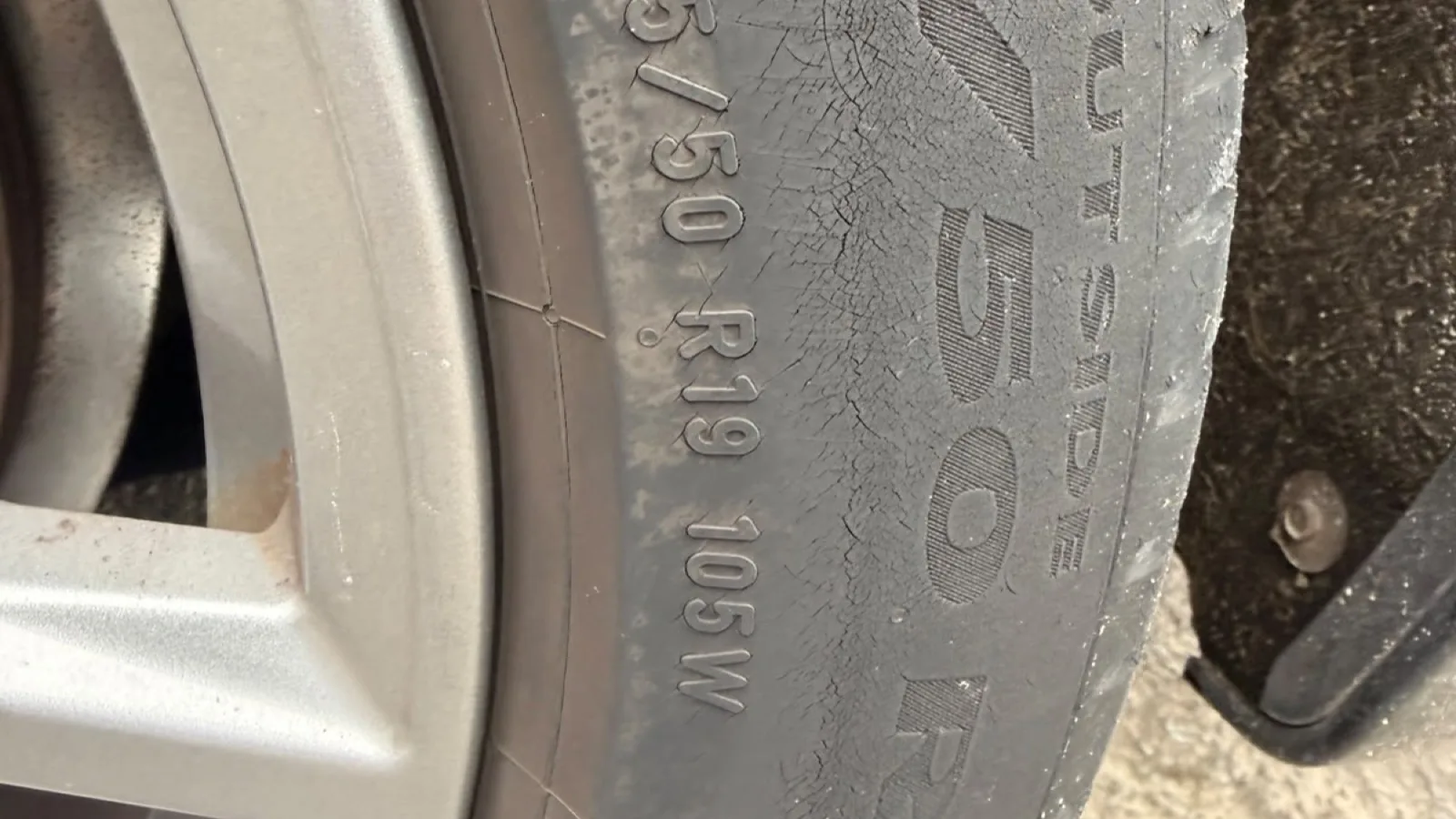
Weight and power are the two big ones. A heavy SUV presses each tyre into the road harder on every corner. An electric car is heavy too, because of the battery, and it delivers its pull the moment you press the pedal. Both scrub rubber off faster than a small, light hatchback.
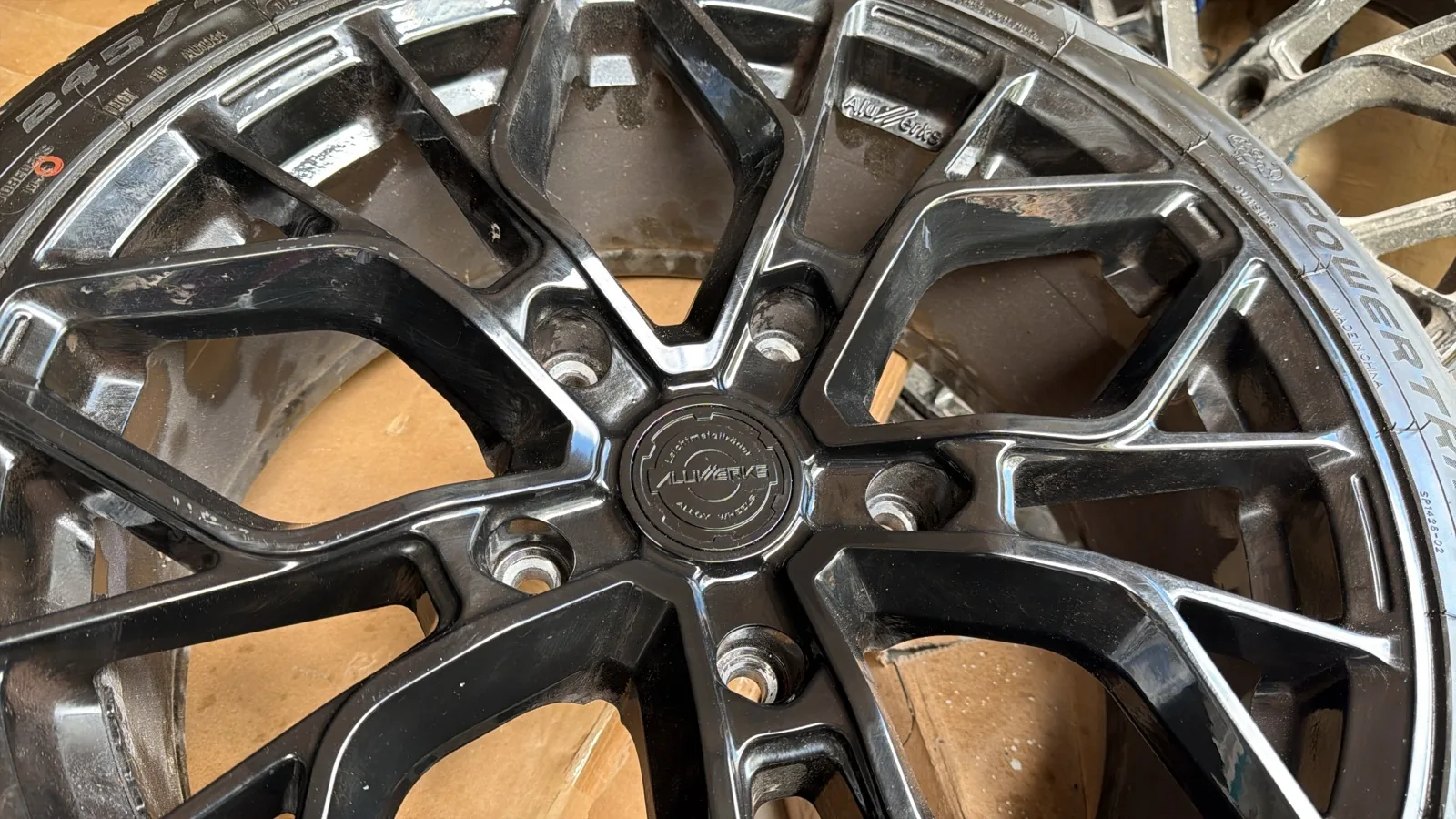
Big wheels with thin tyres wear quicker as well. There is less rubber in the sidewall, so the tread works harder. Fast cars driven with spirit are the same story.
Then there is which wheels drive the car. On a front wheel drive car, the front tyres steer, pull and do most of the braking. They can wear out well before the rear ones. On a rear wheel drive car, the rear tyres often go first. None of that is a fault. It is just where the work is done. SUV and 4x4 tyres and EV tyres explained go into more detail for those cars.
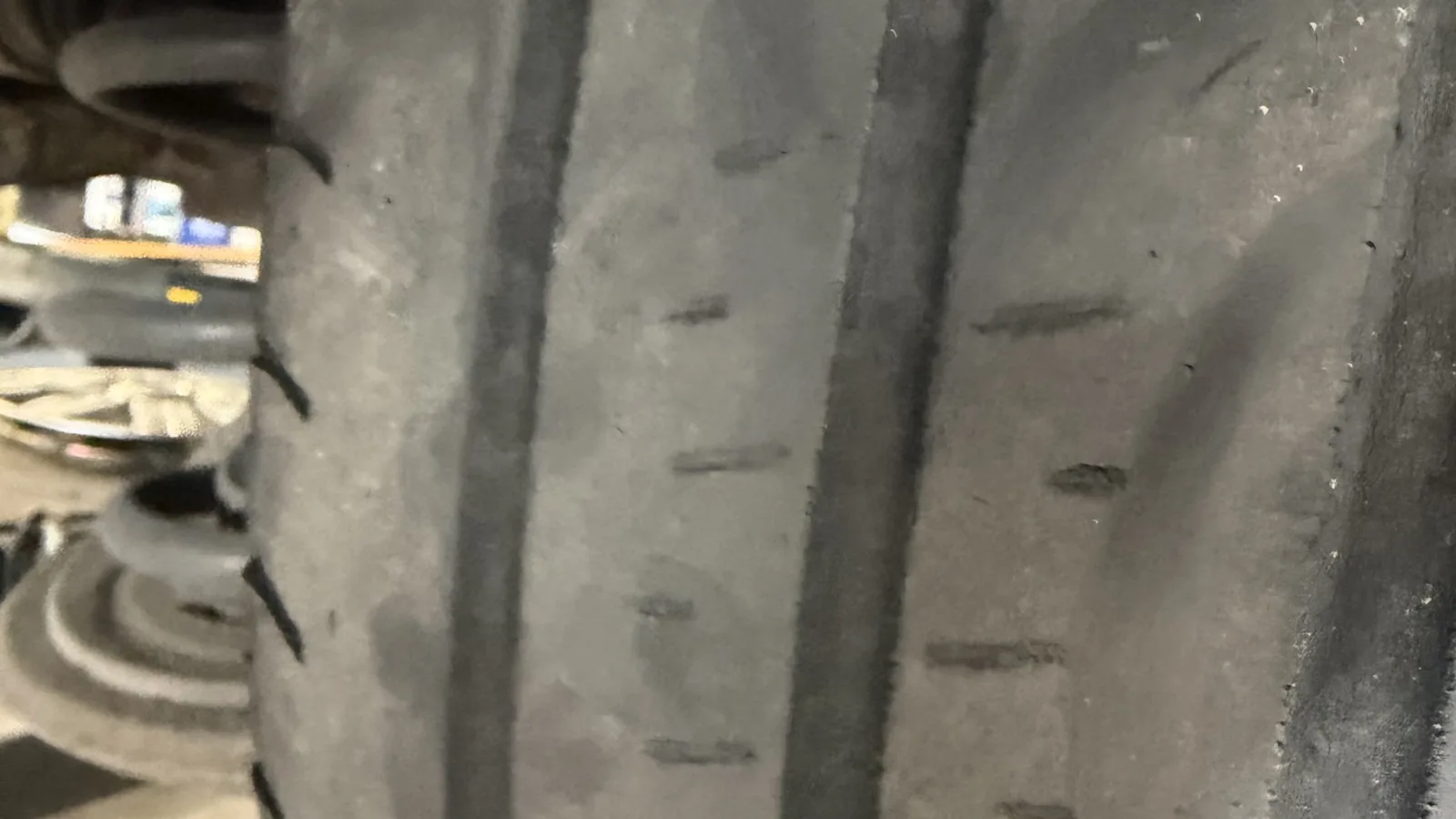
Usually not. But the pattern tells you. Stand in front of the car with the steering turned to full lock and look across the tread.
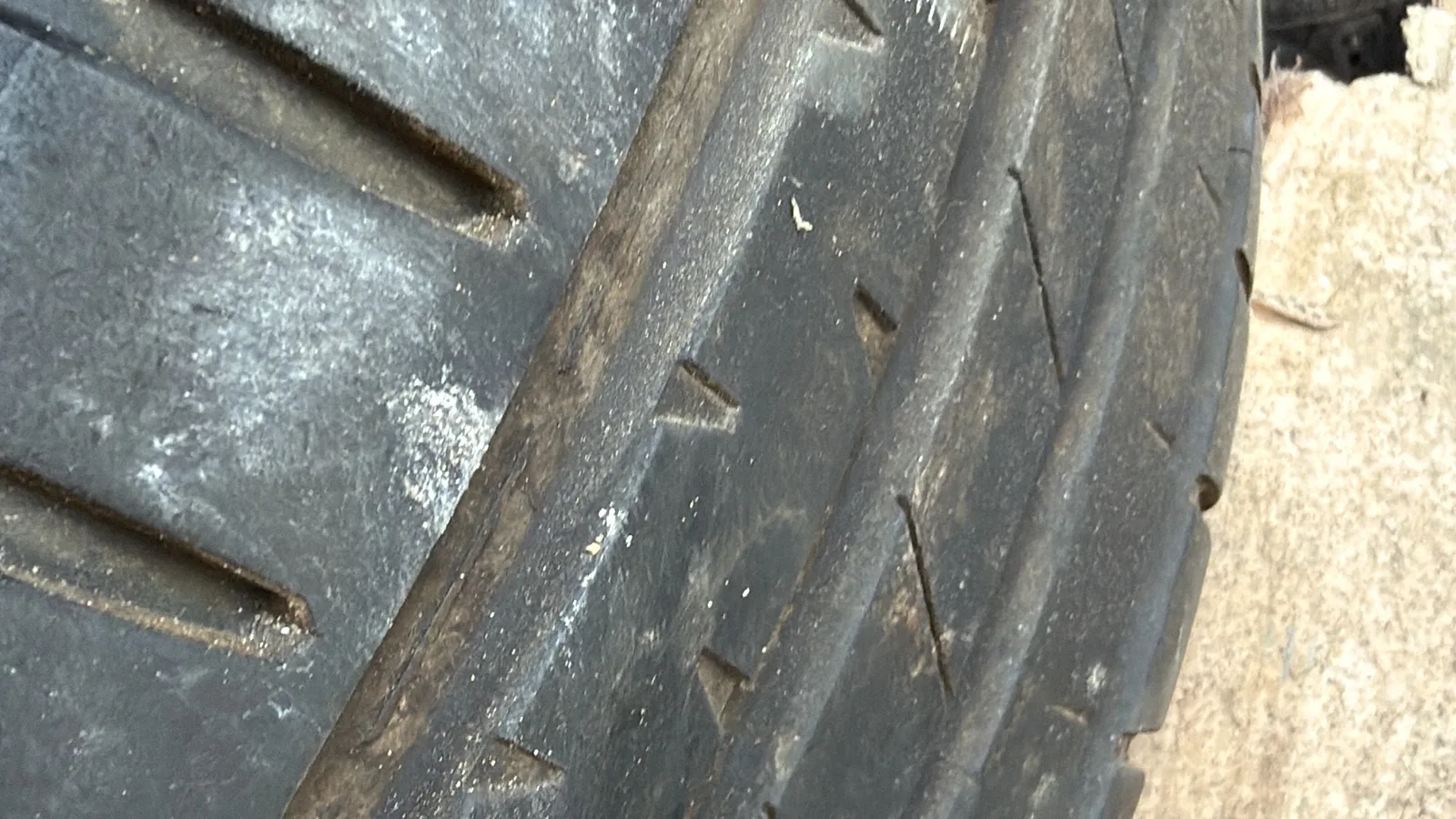
Even wear from edge to edge is normal. That tyre has simply done its miles. Wear on both outer edges points to low pressure. Wear down the middle points to too much air. Wear on one edge only, inside or outside, points to tracking. Patchy dips round the tread point to balance or suspension.
If the car is still under its warranty and the wear is on one edge, it is worth asking the dealer to check the alignment. A pothole or a kerb can knock tracking out on any car, new or old, so it may not be the factory's doing. Either way, get it checked before the new tyres go on, or the new set wears the same way. Wheel alignment explains what the check involves.
New tyres come out of a mould. The surface can carry a slight slippery film from the mould at first, and the tyre needs a little time to settle on the rim. So for the first hundred miles or so, drive gently. Brake early. Take corners a little easier. Leave more gap in the wet.
After that, the tyre has scuffed in and grips as it should. You do not need to do anything special. Just drive normally and check the pressures.
Running in is also a good time to notice anything odd. A new vibration at speed, a pull to one side or a tyre that looks lower than the others. Any of those, tell the fitter. A vibration after new tyres usually means a wheel needs balancing again. Wheel balancing covers the cause and the fix.
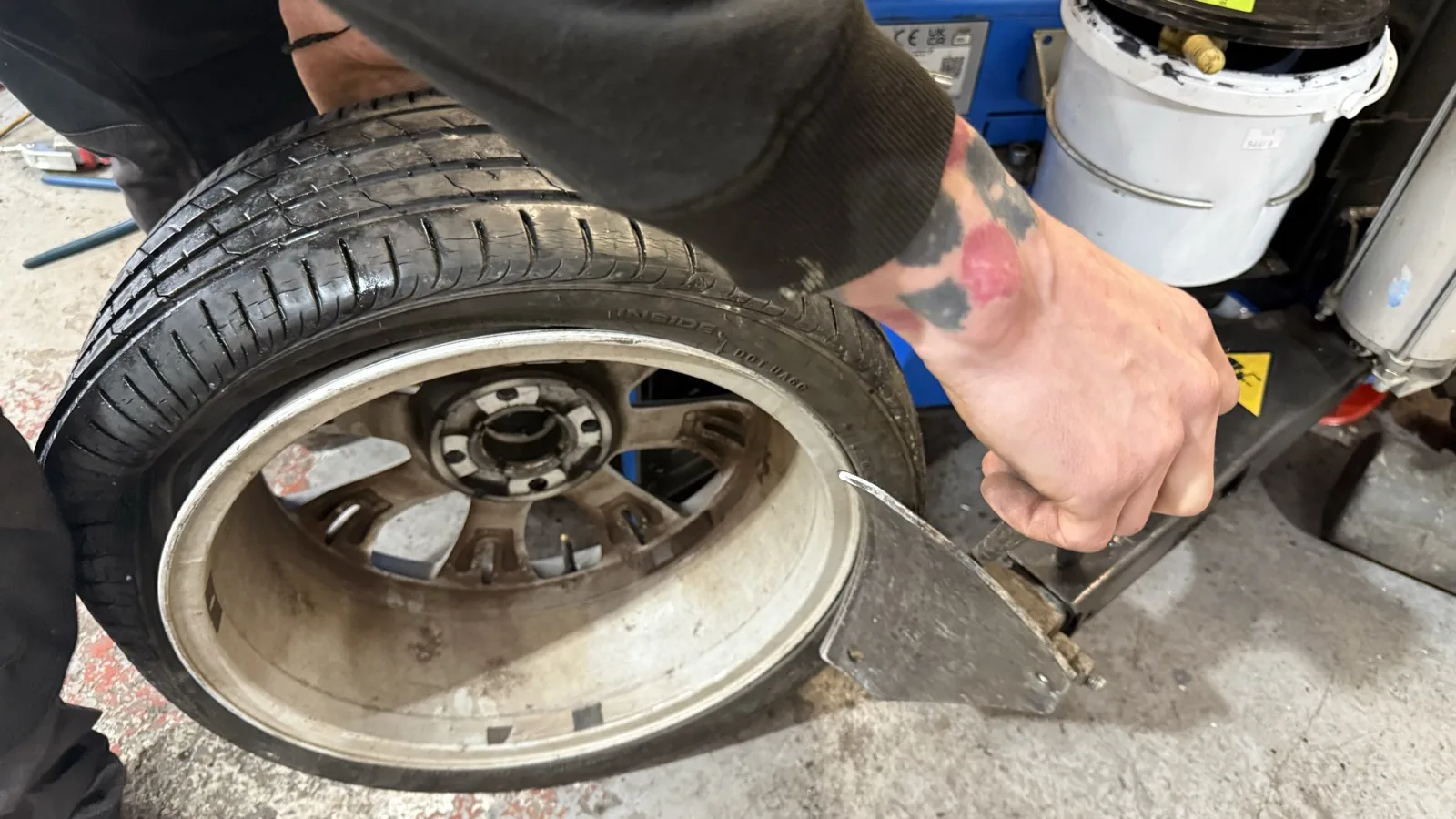
You do not have to buy the same tyre the car came with. You must match the size, and the load and speed code must match or beat what the car needs. Inside those rules, you can pick a tyre with a harder wearing tread.
Many mid range and premium tyres are built with long life high on the list, not just grip. The tyre label does not grade tread life, so ask. We will tell you which options are known for lasting on cars like yours. Mid range tyres is a good place to start.
Two things to be careful with. If your car came on run flat tyres, switching to normal tyres changes what you carry for a puncture. Spare, run flat or sealant explains the choice. And on a heavy SUV or an electric car, the load rating really matters. We check it before we quote.
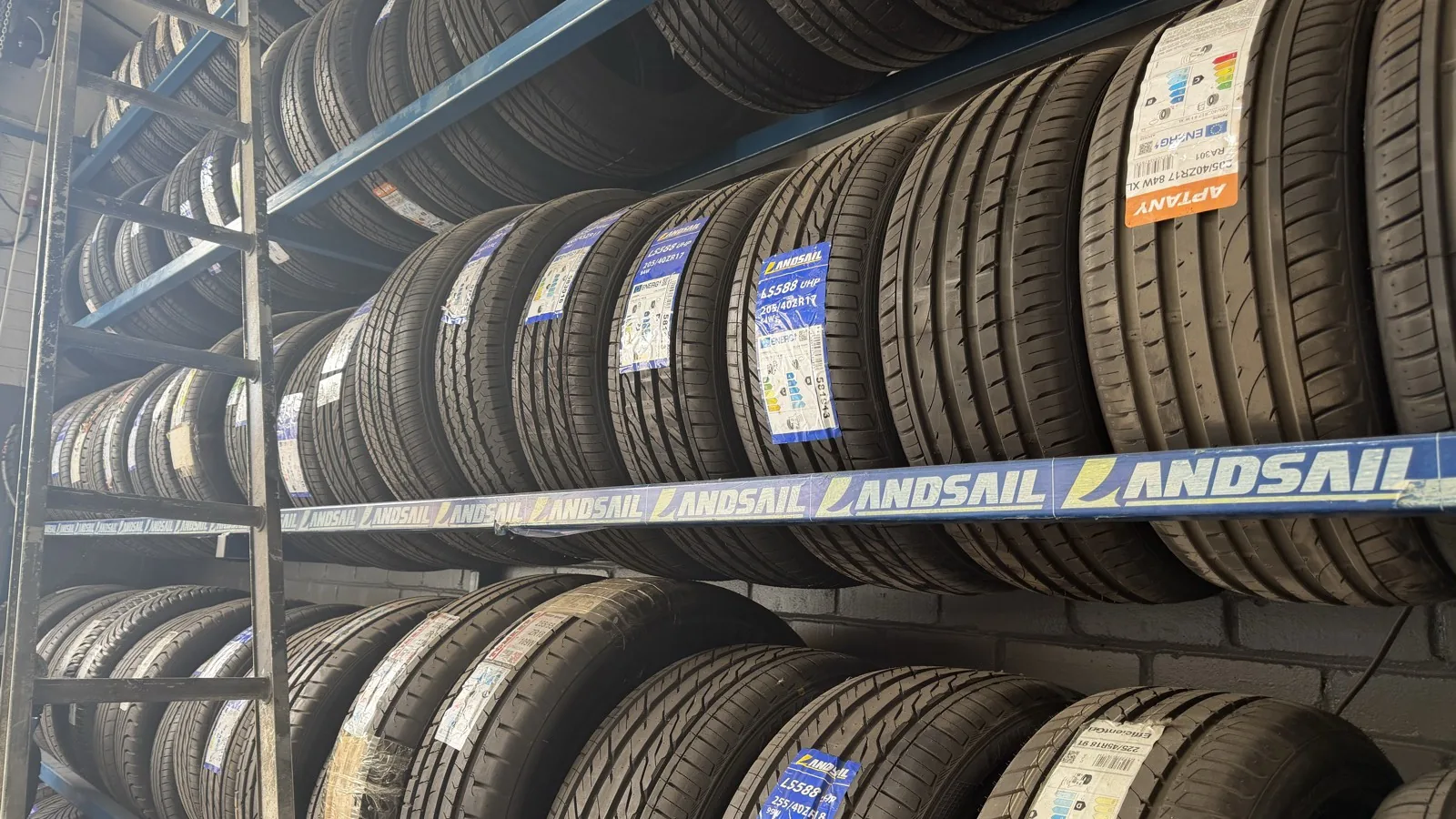
Pressure first. A tyre that runs low wears both edges and gets hot. Check once a month with a gauge, cold, against the figure on the door pillar or in the handbook. Correct tyre pressure shows where to find it.
Tracking second. If you hit a deep pothole or a kerb hard, or the steering wheel sits off centre, get the alignment checked. It is cheap next to a set of tyres, and it protects the new ones from day one.
Then the small stuff. Smooth pulling away, gentle braking and easy corners all save rubber. On some cars, swapping front and rear tyres part way through their life evens out the wear. Is tyre rotation worth it explains when that helps and when it does not.
The questions that usually come next.
 Uneven tyre wearRead the pattern and find the cause.Read the guide →
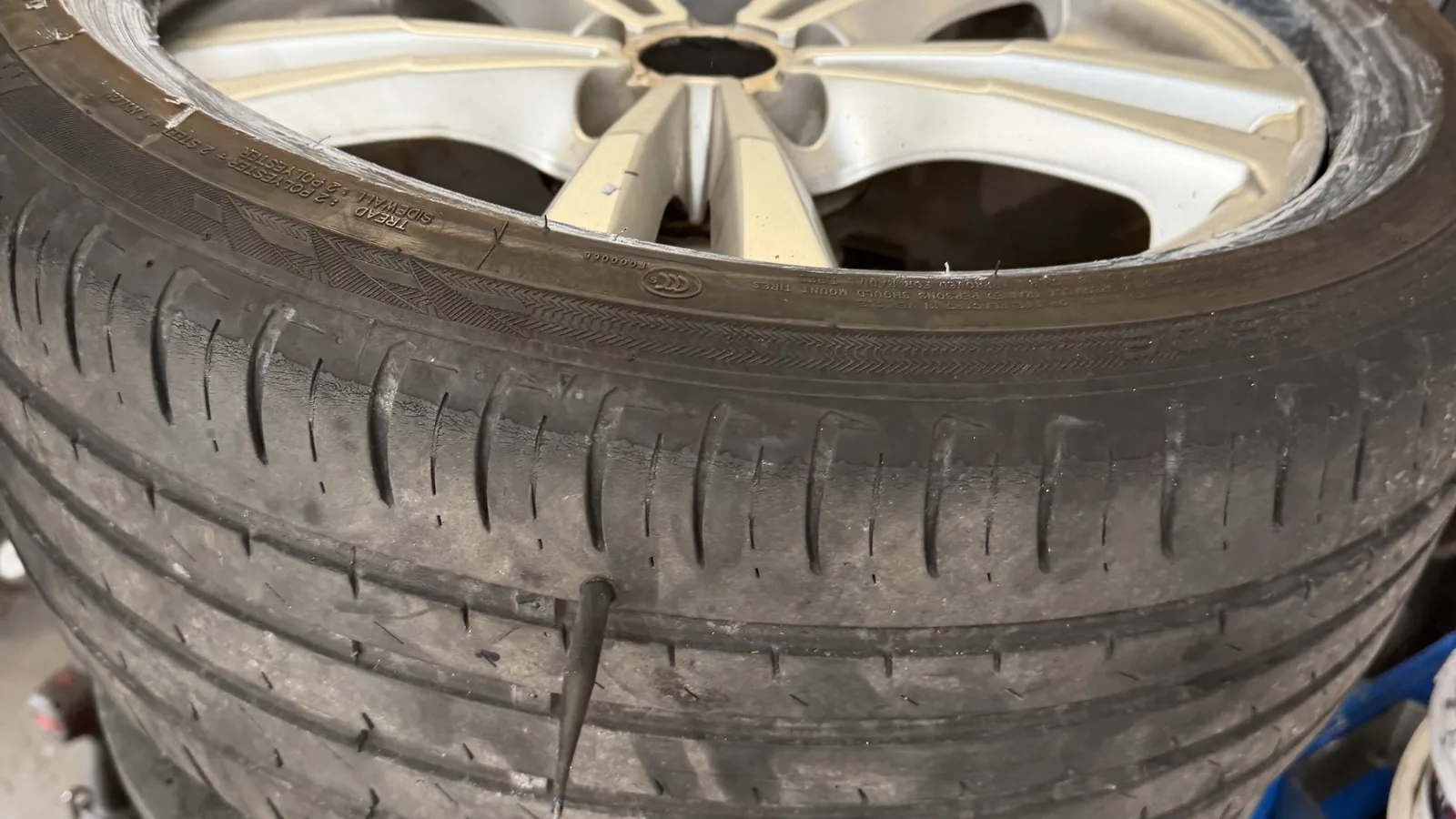 How long do tyres last?Miles, years and the signs it is time.Read the guide →
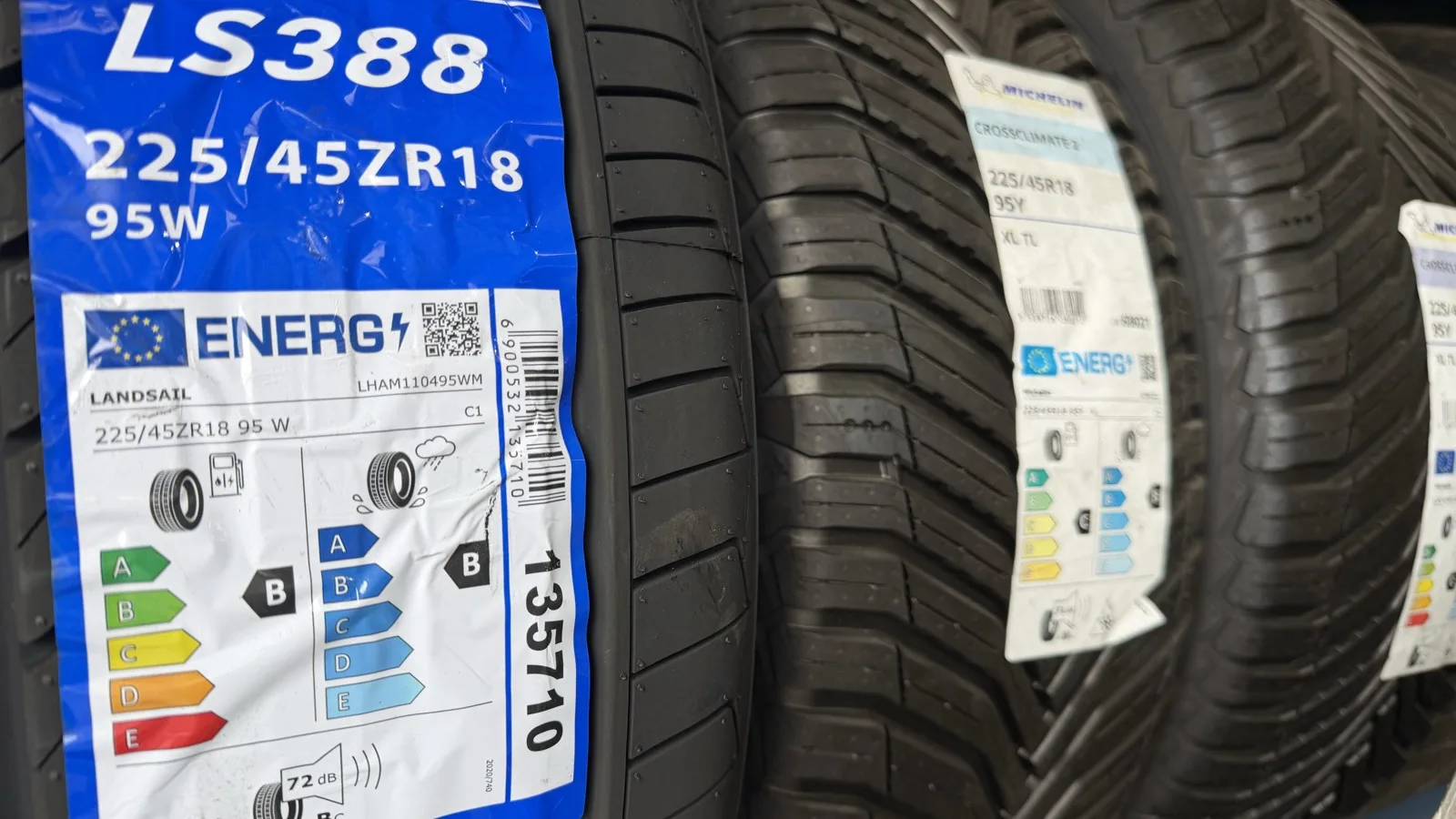 Wheel alignmentTracking that stops the edges wearing.Read the guide →
 Is tyre rotation worth it?When swapping front and rear helps.Read the guide →
 EV tyres explainedWeight, torque and wear.Read the guide →
 Mid range tyresRead the full guide.Read the guide →
Most of them are built into the car. None of them mean you did anything wrong.
The car maker picked a tyre for grip, comfort and quiet. Soft rubber gives you that and wears faster.
SUVs and electric cars press harder on every tyre. More weight means more rubber scrubbed off each mile.
Electric and powerful cars put a lot of force through the tyres from a standstill. Quick starts eat tread.
Low profile tyres have less sidewall to flex, so the tread does more of the work and wears quicker.
On most cars the fronts steer, drive and do most of the braking. They often go well before the rears.
Low pressure wears the edges. Tracking knocked out by a pothole wears one edge. Both speed up any wear.
Small things, done often, add real miles to a set of tyres.
Use a gauge when the tyres are cold. Set them to the door pillar figure, not the number on the tyre.
Wear on one edge means tracking. Catch it early and the rest of the tyre is saved.
A big hit can knock the tracking out. If the wheel sits off centre, get it checked.
Gentle starts and early braking save rubber, especially on heavy and electric cars.
Take it easy for the first hundred miles or so while the new tyres settle in.
Next time, ask for a tyre known to last, not just the one the car came on.
What happens after you message, wherever the car is parked.
Send a clear picture of the worn tyres and the registration. We tell you if the pattern looks like normal wear or points to something else.
We quote tyres that suit your car and your miles, including ones known for long life, each with a fitted price and no call out charge.
At home or at work across the North West and North Wales. About 20 to 40 minutes per tyre, with each wheel balanced on the van.
The fitter looks at the wear on the old tyres and tells you if tracking or pressure played a part, so the new set lasts longer.
 Spread the cost of your tyres
Two or more tyres can go on pay monthly at 0%, subject to status. Same fitted price, fitted at home or work.
4.4★★★★★average rating on Google
Got us out of an unfortunate place of a Luton van blowout, super quick helpful and fairly priced!
Stranded in a car park with no spare! Called and they came within the hour, changed the tyre and was on my way 20 minutes later. Great service, delighted they made it so easy.
Brilliant service, same day, quick and easy. Was really rushed for time and they moved things around to ensure they got to me to get it fixed. Would defo recommend
Send the registration and a photo of the tread. We tell you what caused it and quote a longer lasting set, fitted at your door.
There is no out of hours rate and no waiting for the morning. Message now and we come to the car tonight.
What new car owners ask us when the first set goes early.
New car tyres wear fast because the car maker chose them for grip, comfort, quiet and fuel figures, and that often means soft rubber. Soft rubber wears quicker. Heavy cars, electric cars and powerful cars add to it. If the wear is even across the tread, it is usually normal and not a fault.
The factory tyre is part of how the car feels on a test drive. Sharp steering and a smooth, quiet ride sell cars. Long tread life is harder to notice in a showroom, so it is not always the top priority. That is why so many drivers are surprised when the first set goes. It is not a trick, just a choice made for the showroom. How long tyres last explains what else affects tyre life.
The good news is that you choose the next set. You can pick a tyre with long life higher on its list, as long as the size and ratings match the car. Send the registration and we will quote options that suit your miles, fitted at your home or work. Call 0300 124 6981 or see mid range tyres to start.
There is no fixed number, because it depends on the car, the tyre and how and where it is driven. A light car on gentle local miles can go a long way. A heavy electric car or a powerful car driven hard can need tyres much sooner. Judge the tyre by its tread, not by the mileage.
The law says 1.6mm across the central three quarters of the tread, all the way round. That is the line, not the target. Below that, the tyre is illegal, and it can mean up to £2,500 and 3 points per tyre. The wear bars in the grooves sit at 1.6mm, so they are an easy guide. Tyre wear indicators shows where to find them.
Grip in the wet drops as the tread gets low, well before the legal line. So if your tyres are getting close, do not wait for the MOT to tell you. Changing a little early costs nothing extra in the long run, because you were going to buy the tyres anyway. Send a photo of the tread, or call 0300 124 6981. See when to replace tyres for the signs.
Normal wear usually is not, because tyres are treated as parts that wear out with use. But if the wear is uneven, for example on one edge only, there may be a cause worth raising, like the tracking. If the car is still under its warranty, it is worth asking the dealer to check it.
Take photos of the tyres before anything is changed, with the date and the mileage noted. Keep the old tyres until you have an answer if you can. Photos of one edge worn down while the rest of the tread is fine make the point clearly. Then ask the dealer to check the alignment. Wheel alignment explains what that involves.
Bear in mind that a pothole or a kerb can knock tracking out on any car, so the dealer may say it is road damage. Either way, get the tracking right before the new tyres go on. Otherwise the new set wears the same edge and you are back here in a few months. Then we can fit the new set at your home or work. Call 0300 124 6981 or see uneven tyre wear to read your pattern.
Not always. Price does not tell you tread life. Some cheaper tyres are made with harder rubber and last well. Some factory tyres are soft on purpose and wear fast. The only fair answer is that it depends on the tyre, so ask about life when you choose, not just price.
The tyre label grades wet grip, fuel use and noise, but it does not grade how long a tyre lasts. That is why we would rather talk about your miles and your car than just send the cheapest price. A tyre that suits your driving is the real saving. The best budget tyre brands covers the value end, including who makes what.
If you drive a lot, a mid range or premium tyre built for long life can cost less per mile, even though it costs more up front. If you drive a little, a good budget tyre may be all you need. A tyre that ages out before it wears out is money wasted, so be honest about your miles. Budget vs premium tyres lays out the trade off, or call 0300 124 6981 and ask.
You can, but you do not have to. The rules are the size, the load index and the speed rating, which must match or beat what the car needs. Inside those rules you can choose a tyre with longer life, a quieter ride or better wet grip, depending on what matters most to you.
Some drivers like to stay with the factory tyre because the car was set up on it, and that is fine. Others were unhappy with how fast it wore and want something tougher. Both are sensible choices. We will quote both if you ask, so you can compare the fitted price side by side. Speed and load ratings explains the numbers you must match.
Two exceptions. If the car came on run flat tyres, think before switching, because it changes how you handle a puncture. And some cars have different sizes front and rear, which rules out swapping them round. We check all of this from the registration, so nothing is left to guesswork. Send the registration and we will show you what fits. Call 0300 124 6981 or see tyre sizes.
Running in means taking it easy for the first hundred miles or so on new tyres. The surface can be a little slippery from the mould at first, and the tyre needs time to settle. Brake early, corner gently and leave extra room in the wet until the tyres have scuffed in.
You do not need to drive slowly or avoid motorways. Just avoid hard braking and fast corners while the tyres bed in. After that, they grip as they should. It is the same for budget, mid range and premium tyres. Keep the pressures right from day one, because a new tyre run low wears just as fast as an old one. How to check your tyres is worth a read while they are new.
Keep an eye out during those first miles. A shake through the wheel at speed, a pull to one side or a tyre that looks low all need a look. Most of the time it is a quick balance or a pressure top up. It is rarely the tyre itself, and it is always worth checking rather than living with it. Call 0300 124 6981 and we will check it. Wheel balancing explains the shake.
On most cars the front tyres do the most work. They steer the car, and on a front wheel drive car they also pull it along and do most of the braking. So it is normal for the fronts to wear out well before the rears. On rear wheel drive cars, the rears often go first instead.
What matters is whether the wear is even. Fronts worn flat across the tread is normal. Fronts worn on the outer edge can mean fast cornering or low pressure. Fronts worn on the inner edge often mean tracking. Worn in patches all round can point to balance or suspension. Tracking explained covers what toe and camber do to a tyre.
If the fronts are low and the rears are fine, you may only need two tyres. Some cars can also have the tyres swapped front to rear part way through to even out the wear. If you only replace two, the fitter will check the tread on the other pair and tell you how long they have left. Replace two tyres or four helps you decide, or call 0300 124 6981 for a fitted price on a pair.
Electric cars are heavy because of the battery, and they deliver full pulling power the moment you press the pedal. Weight presses the tyre harder into the road on every corner, and instant pull scrubs rubber from a standstill. Both wear tread faster than on a lighter petrol car.
The fix is partly the tyre and partly the driving. Pick a tyre with the right load rating, often marked XL, and one known for lasting well. Then use the pedal gently from lights and junctions. The car is quick anyway. Many electric cars also have a softer drive mode that helps. EV tyres explained covers what makes an electric car tyre different.
Electric cars are also quiet, so tyre noise stands out more. The label shows a noise figure, which is worth comparing. We fit electric car tyres at home and at work just like any other car. The fitter checks the load rating on the new tyre against the car before anything goes on. Send the registration or call 0300 124 6981. See Tesla tyres if you drive one.
Usually, yes. Wear on just the inside or just the outside edge most often means the tracking is out. It can come from hitting a pothole or kerb, or from worn suspension parts. It is worth fixing before new tyres go on, or the new set will wear the same way.
Inside edge wear is easy to miss, because you cannot see it from the kerb. Turn the steering to full lock and look at the front tyres from the front of the car, or run your hand across the tread. Be careful, because worn edges can hide sharp wires if the tyre is very low. Uneven tyre wear has a picture guide to each pattern.
Both edges worn with the middle fine is different. That usually means the tyre has been run low on air. The middle worn down with good edges usually means too much air. Each pattern has a different fix, and none of them is expensive next to a new set of tyres. Send us a photo and we will tell you which it looks like. Call 0300 124 6981 or see wheel alignment.
On some cars, yes. Swapping front and rear tyres part way through their life can even out the wear, so all four last a similar time. It only works where the car has the same size front and rear, and it depends on the tyre. Some drivers prefer to replace in pairs as they wear instead.
On a front wheel drive car, the fronts wear faster, so moving them to the back and the rears to the front can spread the wear. Directional tyres can only swap front to rear on the same side. Cars with wider tyres at the back cannot swap at all. Is tyre rotation worth it explains the pros and cons in more detail.
If you do not rotate, that is fine too. Many drivers never do, and simply watch the tread. When the fronts reach the wear bars, replace them as a pair and keep going. Just replace the worn pair when it is due and keep the best tyres where the car needs them. Directional vs asymmetric tyres explains which way round your tyres can go. Or call 0300 124 6981 and ask.
They show the tyre was made to a car maker's brief for that model. A star means BMW, MO means Mercedes, AO means Audi, VOL means Volvo and N0 means Porsche. The mark sits on the sidewall near the size. It tells you the tyre was tuned for your car at the factory.
You do not have to fit a marked tyre when you replace. A good tyre in the right size, with the right load and speed ratings, is legal and safe. Some drivers of those cars like to keep the marked tyre because the car was set up on it. Others go for a different tyre and are happy with it. Reading your tyre size explains the rest of the sidewall.
If you want the same marked tyre again, tell us when you send the registration and we will quote it where it is available. Not every size has a marked version in stock at any given time. If you would rather have something that lasts longer, we will quote that too, side by side. See BMW tyres or Mercedes tyres, or call 0300 124 6981.
Yes. We fit replacement tyres at your home, your work or the roadside across the North West and North Wales, 24 hours a day. There is no call out charge, because fitting is priced into the tyre. Send the registration and we reply with options that suit your car and your miles.
Each tyre takes about 20 to 40 minutes. The wheel is balanced on the van, the pressures are set and the nuts are torqued before we go. The fitter also looks at how the old tyres wore and tells you if tracking or pressure played a part. That way the new set has the best chance of lasting, and you know what to watch for next time. Can tyres be fitted at home covers what we need on the drive.
On two or more tyres you can pay monthly at 0%, subject to status. NHS staff and key workers can ask about up to 30% off. Call 0300 124 6981 or WhatsApp 07943 185471 with the registration to get a fitted price. We reply with a time too, day or night.