Welcome to

Mobile tyre fitting · North West & North Wales · We fit around you

Approved by the AA and RAC. No call-out charge. Around 32 minutes on average, 24 hours a day.
info@yournewtyres.co.ukTell us your name and tyre size — we will reply on WhatsApp with a price and an ETA.
Yes. In the UK you can have different tyre brands on the same axle, as long as both tyres are the same size and the same type. You must never mix radial and cross ply tyres on one axle. It is legal, but not the best choice. Different tyres grip and brake differently, so keep each axle matched when you can.
Here is the short version. The law cares about size and type. Your safety cares about grip. Two different tyres on one axle can pull the car to one side under hard braking, most of all in the wet. That is why we match pairs wherever we can. The full rules are in UK tyre law.
Across the car is a different story. Front tyres from one brand and rear tyres from another is common and fine, as long as each axle matches itself. If you only replace two, the question is which axle gets them. Our guide on replacing two tyres or four walks through it.
Not sure what is on your car now? Send the registration to 07943 185471 on WhatsApp, or call 0300 124 6981. We check the tyres you have, find a match, and send a fitted price and a time. Then the van brings the tyre to you, so you are not driving round on a mismatch.
The size is on the sidewall of the tyre, or send us a photo of it. It lands with the fitter on shift. No call-out charge, and the fitting is already in the price.
You are through to YourNewTyres. What size are the tyres?
The size is printed on the sidewall, like 205/55 R16. Send that and where you are, and I will come back with a fitted price and the next slot.
A photo of the sidewall does the job if you would rather not type it out.
Opens WhatsApp with your message ready to send
Covered here: what does the law say about mixing tyres; is it safe to have different brands on the same axle; where should new tyres go: front or back; mixing run flats, winter and all season tyres; replacing one or two tyres: what to match.
Less than you might think. There is no rule that all four tyres must be the same brand. The rules are about size, type and condition.
Tyres on the same axle must be the same size and the same type of build. You must never put a radial and a cross ply tyre on one axle. You also must not run cross ply tyres on the back with radials on the front. Almost every car tyre sold today is radial, so these rarely come up, but they are still the law. Every tyre must also meet the normal rules: at least 1.6mm of tread across the middle three quarters, and no cuts, lumps or bulges.
Break those and the fine is up to £2,500 and 3 points per tyre. At the MOT, the tester checks that the tyres on each axle match in size and type. A mismatch there is a fail, even if both tyres are brand new. So the legal bar is clear. Match the size. Match the type. Keep them in good shape. Brand is your choice, but it is not the whole story on grip.
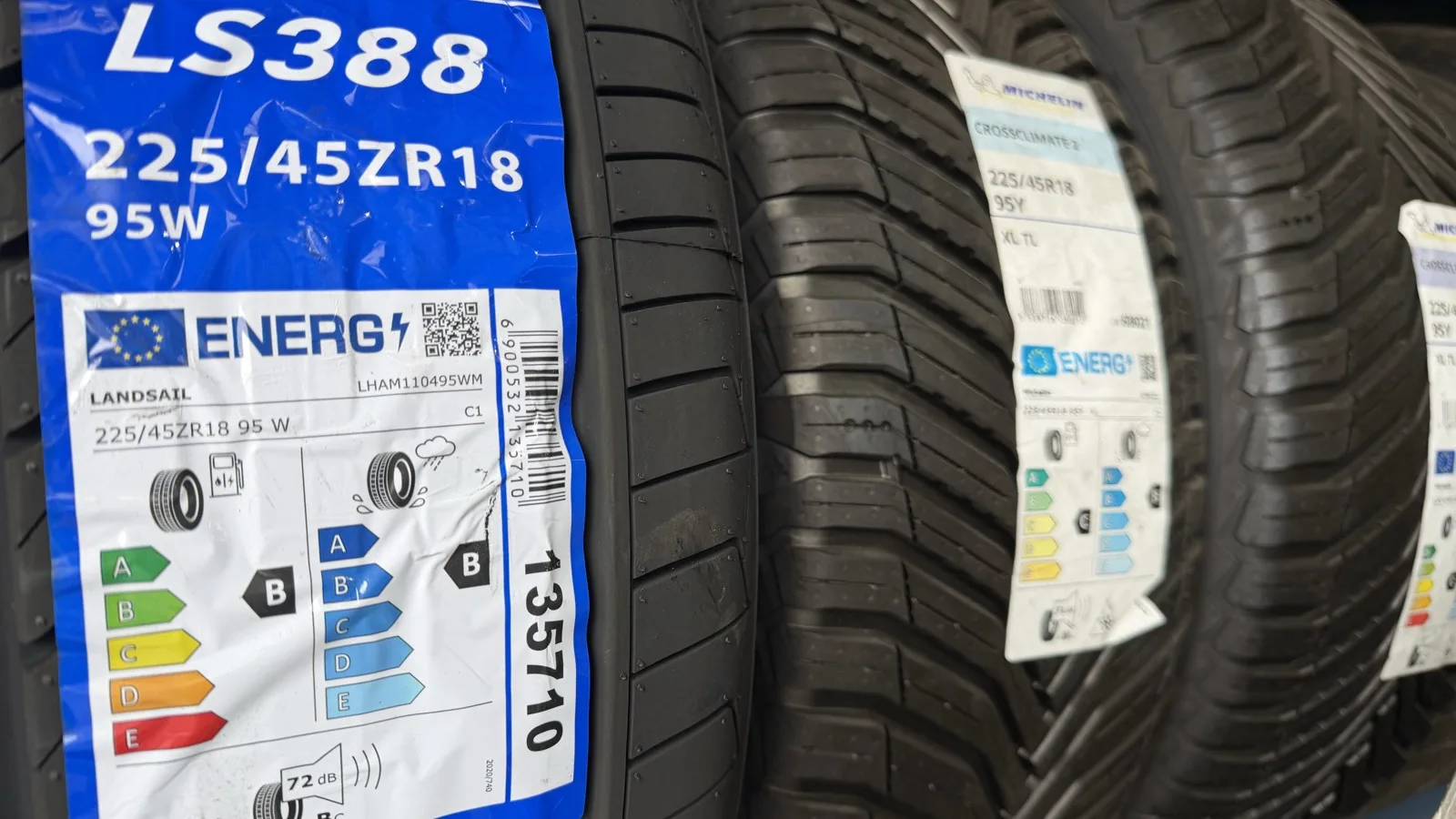
It is legal. It is not ideal. Two tyres on one axle do the same job side by side. If one grips better than the other, the car feels it.
Brake hard in the wet with a premium tyre on one side and a budget one on the other, and the car can pull toward the side with more grip. The steering can feel uneven in corners too. Different tread patterns clear water at different rates, so the gap is worst in rain. The safe rule is simple. Keep each axle matched in brand, model and pattern.
If you only need one tyre, try to match the one on the other side. If that model is no longer made, or the other tyre is well worn, fitting a new pair is often the better move. We tell you which, with the price of each option, so you can decide in a minute rather than guess. See tyre brands explained for how the tiers differ.
Most tyre makers advise fitting the newer, deeper tyres to the rear axle. That surprises people, because the front tyres steer and, on most cars, drive.
The reason is what happens when grip runs out in the wet. If the front tyres slide first, the car runs wide. Most drivers can handle that. They slow down and it comes back. If the rear tyres slide first, the back of the car steps out and it can spin. That is much harder to catch.
So better grip at the back keeps the car stable. There are exceptions. Some cars have different sizes front and rear, so the tyres cannot swap. Some four wheel drive systems want all four close in tread. We check your car before we fit and put the new pair where it does the most good. Is tyre rotation worth it? covers moving tyres between axles.
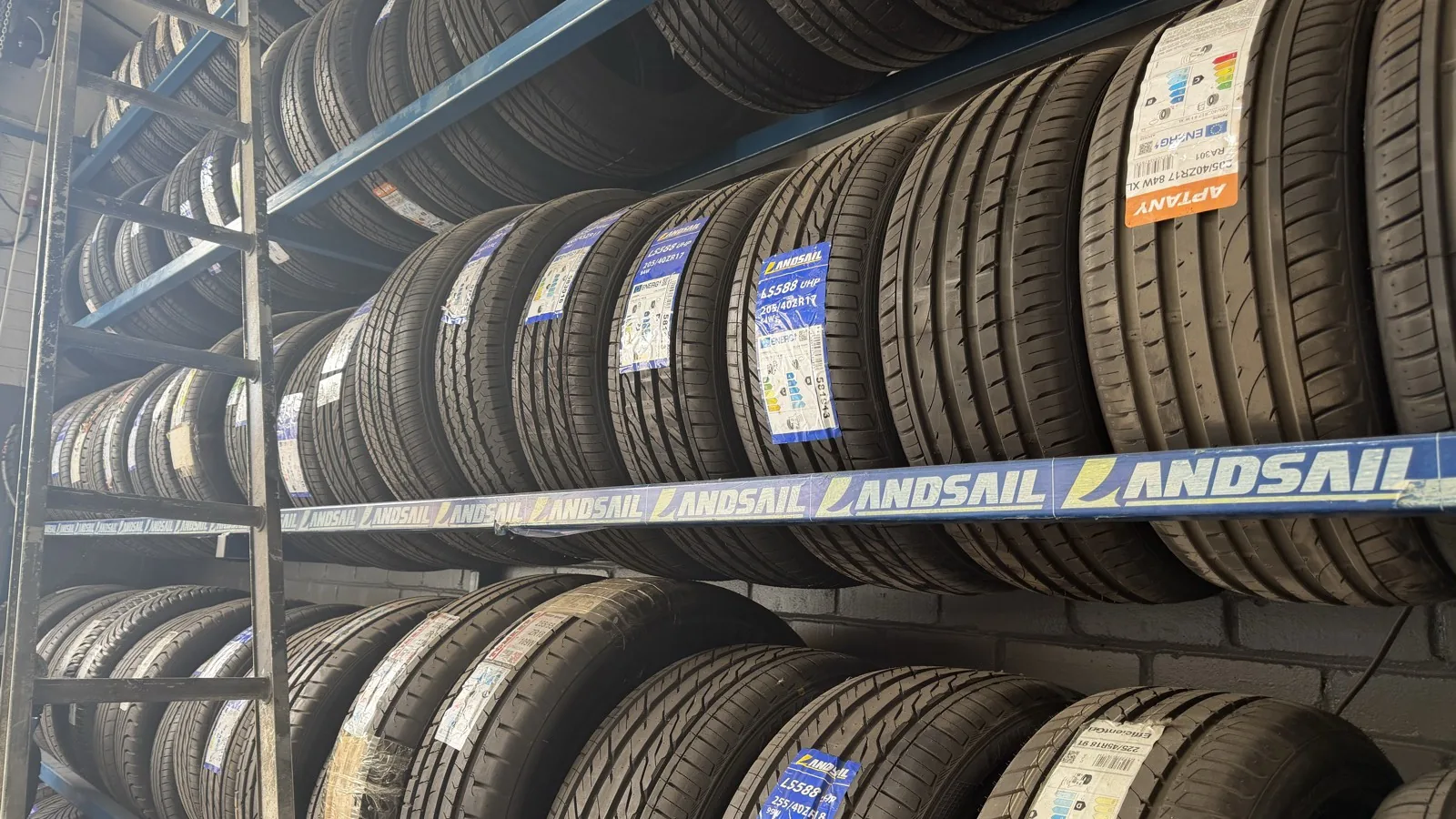
Run flats and normal tyres should not share an axle. They are built differently and feel different. Many car makers say keep all four the same, and cars built for run flats often have no spare, so a normal tyre gives you no backup after a puncture.
Winter tyres work best as a set of four. Fit two on one axle and summer tyres on the other, and the two ends of the car grip very differently on cold, wet roads. That can make the car hard to control. All season tyres are the same idea.
Four is best. If you can only afford two right now, they must match each other on the axle, and we will talk you through the safest place for them. Mixing types across axles is legal, but it is a compromise. See all season tyres for when they make sense.
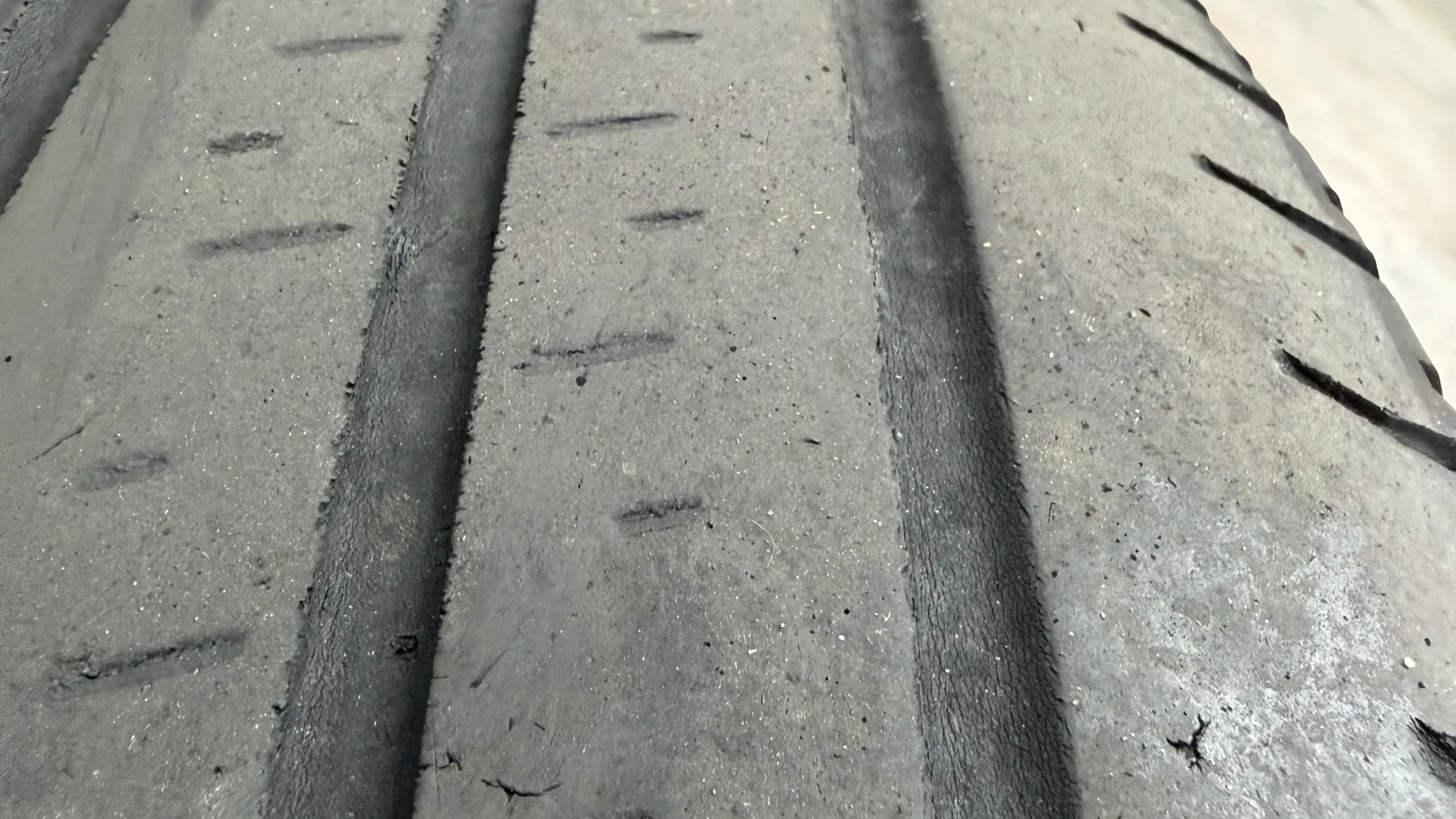
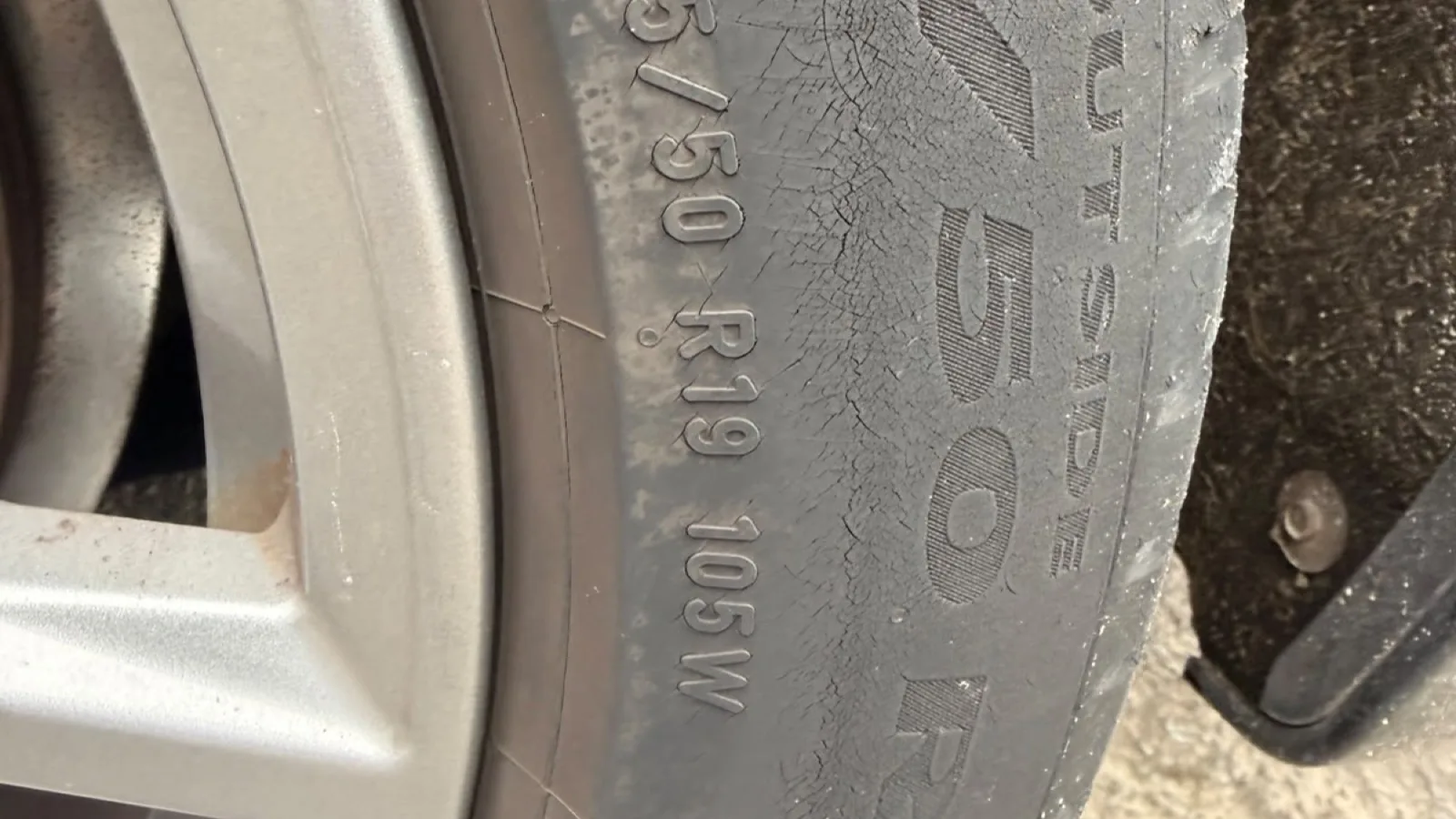
Start with the size on the sidewall. Then the load index and speed rating, the number and letter after the size. Match or beat what the car needs. Then the type: summer, winter, all season or run flat.
After that, match the tyre on the other side of the axle. Same brand and model is best. Same pattern is the aim. Tread depth matters too. A new tyre next to a half worn one on the same axle is legal, but the new one grips better, and you will feel it.
Some cars also have tyres with a car maker marking, a small code on the sidewall showing the tyre was approved for that model. Keep an axle matched on those if you can. Lease car? Check the agreement, as it may ask for a certain standard. Easiest of all, send us the registration. We read what is fitted and find the match for you. See speed and load ratings for the codes.
The questions that usually come next.
 Replace two tyres or four?When a pair is fine and when it is not.Read the guide →
 UK tyre law1.6mm, the fines and the points.Read the guide →
 Run flat tyres explainedWhat they do after a puncture.Read the guide →
 All season tyresRead the full guide.Read the guide →
 Speed and load ratingsThe code after the size.Read the guide →
 Tyre brands explainedPremium, mid range and budget.Read the guide →
Where each kind of mix sits, in one line each.
Legal and common. Keep the two fronts matched and the two rears matched, and the car stays balanced.
Legal if the size and type match. But the grip differs side to side, and the car can pull under hard braking.
Illegal. Never put the two builds side by side. Almost every car tyre today is radial anyway.
Get these right and the car drives as it should.
The numbers on the sidewall, like 205/55 R16. Same on both sides of an axle, no exceptions.
The number and letter after the size. Match or beat what the car needs.
Summer, winter, all season or run flat. Never mix types on one axle.
Same model on both sides of an axle is best. It keeps braking straight in the wet.
A brand new tyre next to a worn one grips differently. Close is better than far apart.
Some tyres carry a car maker approval code. Keep those matched on an axle where you can.
What happens after you message, wherever the car is parked.
Whichever you have to hand. Send it by WhatsApp or call 0300 124 6981 and we come back with a fitted price and a time we can keep.
We quote more than one tyre where we can, so you see the real gap between a budget, a mid range and a premium option before choosing.
No towing and no tyre bay queue. The van parks beside the car, and one tyre usually takes about 20 to 40 minutes from start to finish.
On two or more tyres you can pay monthly at 0% subject to status. NHS and key workers can ask about up to 30% off.
4.4★★★★★average rating on Google
Stranded in a car park with no spare! Called and they came within the hour, changed the tyre and was on my way 20 minutes later. Great service, delighted they made it so easy.
Brilliant service, same day, quick and easy. Was really rushed for time and they moved things around to ensure they got to me to get it fixed. Would defo recommend
Got us out of an unfortunate place of a Luton van blowout, super quick helpful and fairly priced!
Get the car somewhere safe first. Then send the location and the size, and the van comes to you with the tyre on board.
There is no out of hours rate and no waiting for the morning. Message now and we come to the car tonight.
Straight answers from the fitters on the vans.
No. It is not illegal to have different makes of tyre on the same axle in the UK. Both tyres must be the same size and the same type, and you must never mix radial and cross ply on one axle. Each tyre must also meet the normal tread and condition rules, or it is illegal on its own.
Legal is not the same as ideal, though. Two brands grip differently, and under hard braking in the wet the car can pull toward the side with more grip. That is the reason we try to match pairs across an axle whenever we fit tyres. UK tyre law sets out every rule, from tread depth to cuts and bulges, with the fines and points that go with each one.
The MOT checks the tyres on each axle match in size and type, not brand. So different makes will not fail a test on their own. If you want the axle matched properly, send us your registration. We find what is fitted now and price the same tyre, or a better pair. See find your tyre size, or call 0300 124 6981 and ask a fitter.
No, you do not need four identical tyres. The law only asks that tyres on the same axle match in size and type, and that every tyre is in legal condition. Different brands front and rear are common and fine. For the best grip and handling, though, match each axle in brand and model.
Think of it as pairs. The two front tyres should match each other. The two rear tyres should match each other. The front pair and the rear pair can differ. Some cars even run different sizes front and rear from the factory, which is normal for them. Replace two tyres or four explains when a pair is enough and when four is the smarter spend.
Four wheel drive and some all wheel drive cars are the exception worth knowing. Their makers often want all four tyres close in size and tread, because the drive system compares how fast each wheel turns. Check the handbook, or ask us. See 4x4 tyres for more, or call 0300 124 6981. Tell us the car and we will tell you if it is one of them before you buy a single tyre.
Not on the same axle. Run flats and normal tyres are built differently, with stiffer sidewalls on the run flat, so they feel and grip differently. Many car makers say to keep all four tyres the same type. If your car came on run flats, stick with run flats unless you have checked the maker's advice.
There is a practical catch too. Cars built for run flats often have no spare wheel and no space for one. Swap to normal tyres and a puncture leaves you with no backup at all. Spare, run flat or sealant compares the three ways a car deals with a flat, and what each means for you at the roadside.
Some drivers do move away from run flats for a softer ride. If you are thinking about it, do all four at once, and have a plan for punctures. We can talk you through it before you buy. See run flat tyres explained, or call 0300 124 6981 for a fitted price on your size. If you are staying on run flats, we carry them too, and fit them the same way at your door.
It is legal, but it is not the safest setup. All season and summer tyres grip differently, most of all on cold, wet roads. With one type on each axle, the front and back of the car behave differently when grip runs short. Four all season tyres is the safe answer.
If budget means two now and two later, keep each axle matched, and ask us which axle should get the new pair on your car. The usual advice is better grip at the back, for stability, but it depends on the car. All season tyres explains who they suit and when they are worth it.
The gap between the two types shows most in winter. So if you do split them, plan to finish the set before the cold weather arrives. On two or more tyres you can pay monthly at 0%, subject to status, which makes a full set easier to do in one go. Call 0300 124 6981 for a price on four. You will see the pair price and the set price side by side, so the choice is easy.
You can, but it is not a good idea. Two winter tyres and two summer tyres give the car very different grip front and rear on cold roads. Winter tyres work as a team of four. Fit them as a set, or not at all. That is the advice from most tyre makers.
Winter tyres on the front only can make the back of the car slide first in a bend or under braking. Winter tyres on the back only can leave you unable to steer or stop well. Neither is what you want on ice. Do you need winter tyres in the UK? helps you decide if they are worth it where you drive.
For many drivers in the North West, all season tyres are a sensible middle ground. One set, all year, no swapping. See winter tyres if you do want a full set. We fit at home or work, and you can call 0300 124 6981 for a fitted price on four. Fitted on the drive before the first frost, so you are ready when it counts.
It is legal if the size and type match, but it is not ideal. Different tread patterns clear water at different rates, so the two tyres grip differently in the rain. Under hard braking the car can pull to one side. Match the pattern across an axle whenever you can.
The effect is small on a dry road and bigger on a wet one. It is also bigger when one tyre is new and the other is part worn. Aquaplaning explained shows why tread pattern and depth matter so much in standing water, and what the grooves are really for.
If the matching tyre is no longer made, fit a new pair on that axle rather than two odd tyres. It costs more today but it keeps the car stable and wears evenly after. We will give you both prices so you can choose. See budget tyres if cost is the worry, or call 0300 124 6981. A matched pair on a budget still beats two odd tyres, every time, on a wet road. Ask and we send both.
Match the size, the load index and speed rating, and the type first. Those are the must haves. Then match the brand, model and tread pattern of the tyre on the other side of the same axle. Finally, look at how worn that other tyre is. A new tyre next to a worn one is not ideal.
All of it is on the sidewall, but it is easy to misread. The size looks like 205/55 R16. The load and speed code follows it, like 91V. Reading your tyre size breaks down every part so you order the right thing first time.
Or skip all that. Send us your registration, and a photo of the other tyre on the axle if you can. We find the match and tell you honestly if a pair is the better buy. Then we bring it to you. See speed and load ratings, or call 0300 124 6981. It takes us a minute to check, and it saves you ordering the wrong tyre and waiting again. Right tyre, first time, at your door.
Most tyre makers advise putting the newer tyres on the rear axle, even on front wheel drive cars. Better grip at the back keeps the car stable in the wet. If the rear slides first, the car can spin. If the front slides first, it runs wide, which is far easier to control.
It feels backwards, because the front tyres do the steering and often the driving. But the rule is about what happens when grip runs out, not about wear. Some cars cannot follow it, like those with different sizes front and rear. Is tyre rotation worth it? explains when moving tyres around helps.
We check your car before we fit and put the pair where it does the most good. If we think the other axle is close to needing tyres too, we tell you, with the price. No pressure, just the facts. See two tyres or four, or call 0300 124 6981. We fit both pairs in one visit if that is what you choose, so there is no second trip to plan. Simple as that.
It can. Some tyres carry a small code on the sidewall showing they were approved for a certain car maker. They are tuned for that car. Mixing a marked tyre with an unmarked one on the same axle is legal, but it is best avoided. Keep each axle on the same tyre where you can.
The marking matters most on performance and premium cars, where the tyre was developed alongside the car. On most everyday cars, a good matched pair of unmarked tyres is fine. Premium tyres covers where the extra spend makes a real difference, and where it does not.
Not sure if yours are marked? Send us a clear photo of the sidewall and we will tell you. If the marked tyre is available in your size, we can quote it next to an unmarked option, so you can see the gap. See performance tyres, or call 0300 124 6981. Then you choose with the facts in front of you, not a sales pitch. Marked or not, it gets fitted and balanced the same way on your drive.
There can be. The law is the same for every car, but a lease agreement can ask for a certain tyre standard, a premium brand or the car maker's approved tyre. Check your agreement or ask the lease company before you buy. Getting it wrong can mean a charge when the car goes back.
The agreement usually covers tread depth at return, damage, and sometimes the tyre brand or tier. Some ask for matched pairs on each axle. If in doubt, match what came on the car. Tyre brands explained shows how the premium, mid range and budget tiers differ, so you know what you are being asked for.
Company car or fleet vehicle? We fit for businesses too, at the office or the depot. See fleet tyre fitting. For your own lease car, send the registration and tell us what the agreement says. We quote to match it, so there is no nasty charge when the car goes back. Call 0300 124 6981 and we will sort it at your door. Keep the paperwork handy when you message.
Across axles, yes. Budget tyres on the front and premium on the rear, or the other way round, is legal and common. On the same axle, it is best avoided. A premium and a budget tyre side by side can grip very differently in the wet, and the car can pull to one side under braking.
If you are mixing tiers across the car, put the better grip at the back for stability. That is the general advice from tyre makers. Budget tyres explains where cheaper tyres make sense, like a low mileage car used for short trips, and where they do not.
We quote budget, mid range and premium for your size, so you can see the real gap before you choose. Many drivers land on a mid range pair as the best value. See mid range tyres, or call 0300 124 6981 for three prices on your size. Pick one, and we fit the pair where the car is parked, usually the same day you ask. Mixing tiers across the car is fine. On one axle, keep it a pair.
Yes. Send your registration and, if you can, a photo of the tyre on the other side of the axle. We find the same brand and model, or the closest match, and send a fitted price and a time. Then we fit it at your home, your work or the roadside. One tyre is a normal job for us.
If the match is no longer made, or the other tyre is well worn, we tell you before we set off and price a pair as well. You choose. The fitting is built into the tyre price, so there is no call out charge on top, even for one tyre. Mobile tyre fitting explains how a visit works.
A single tyre takes about 20 to 40 minutes. We balance the wheel on the van and set the pressures before we leave. We work 24 hours a day across 2,700+ areas. See where we cover, or ring 0300 124 6981 and have it matched and fitted today. No odd tyre, no guessing, no trip to a garage. One message does it.