Welcome to

Mobile tyre fitting · North West & North Wales · We fit around you

Approved by the AA and RAC. No call-out charge. Around 32 minutes on average, 24 hours a day.
info@yournewtyres.co.ukTell us your name and tyre size — we will reply on WhatsApp with a price and an ETA.
With a flat and no spare, stop somewhere safe and do not drive on it. Look for a sealant kit under the boot floor. It can seal a small hole in the tread, not a split or a sidewall cut. Run flat tyres can go a short way slowly. For anything else, call a mobile fitter who brings a new tyre to you.
You open the boot and there is no spare. Just a foam tray, or a small pump and a bottle. That is normal now. Lots of new cars leave the spare out to save weight and space. Your car is not broken. It just needs a different plan. Stopped at the side of the road right now? Do the flat tyre safety steps first, then come back here.
There are three ways a car copes with no spare. A sealant kit. Run flat tyres. Or nothing at all. Each has a limit, and the limit matters more than the kit. Our guide to spare, run flat or sealant compares them side by side if you are choosing a car.
The quickest fix is often the simplest. We bring the right tyre to the car and fit it where it sits. Home, work or the roadside, across the North West and North Wales, day or night. Send the size or registration, or call 0300 124 6981.
The size is on the sidewall of the tyre, or send us a photo of it. It lands with the fitter on shift. No call-out charge, and the fitting is already in the price.
You are through to YourNewTyres. What size are the tyres?
The size is printed on the sidewall, like 205/55 R16. Send that and where you are, and I will come back with a fitted price and the next slot.
A photo of the sidewall does the job if you would rather not type it out.
Opens WhatsApp with your message ready to send
Covered here: why does my car have no spare wheel; is it illegal to drive without a spare tyre; when will a tyre sealant kit work; what if the car has run flat tyres; what if there is no kit, no spare and no run flats.
To save weight, space and money. A spare wheel and jack weigh a fair bit. Taking them out helps the official fuel and CO2 figures. It frees up boot space. On electric and hybrid cars, the battery often sits where the spare used to go.
So the car maker puts in something smaller. Usually a tyre sealant kit: a bottle of sealant and a small pump that plugs into the car. Some cars get run flat tyres instead, which hold the car up for a short distance after a puncture.
Not sure which you have? Lift the boot floor. Check the handbook. Run flat tyres have a mark on the sidewall, often RSC, ROF, SSR or a similar code from the tyre maker. Better to find out on the drive today than on a dark lay by next month.
No. There is no law in the UK that says you must carry a spare wheel. You will not fail an MOT for having no spare. The police will not stop you for it.
What the law does care about is the tyres on the road. Each one needs 1.6mm of tread across the central three quarters and no serious damage. If you do carry a spare and put it on, it has to meet the same rules while it is on the car. An old, cracked spare is no help at all.
A space saver spare is legal to use for a short trip, at the lower speed printed on it. It is a get you home wheel, not a new tyre. Our UK tyre law guide has the full list of what makes a tyre illegal, including the fine of up to £2,500 and 3 points per tyre.
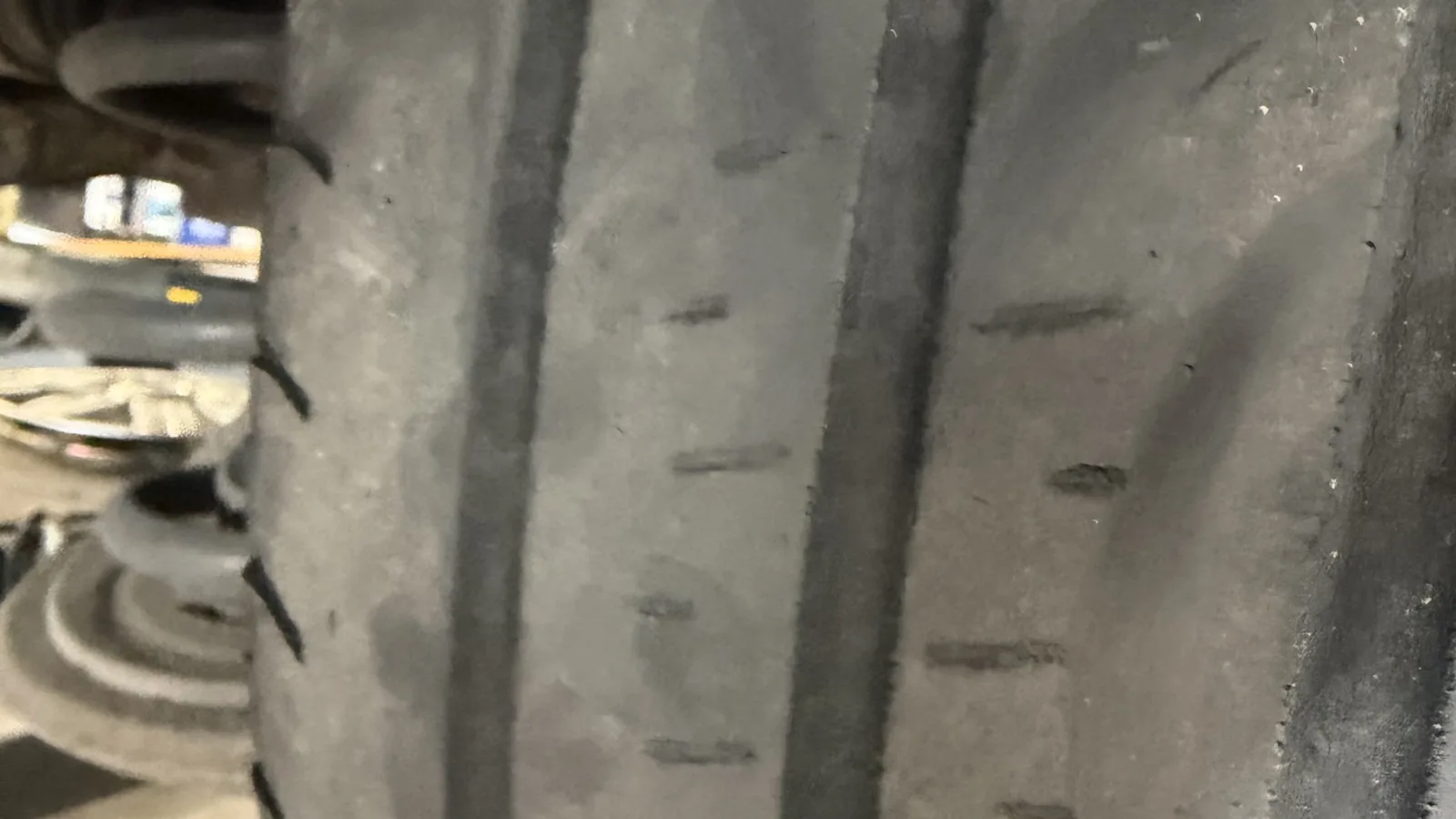
A sealant kit is made for one job: a small hole in the tread from a nail or screw. You push the sealant in through the valve, pump the tyre up, then drive a short way so it spreads and plugs the hole.
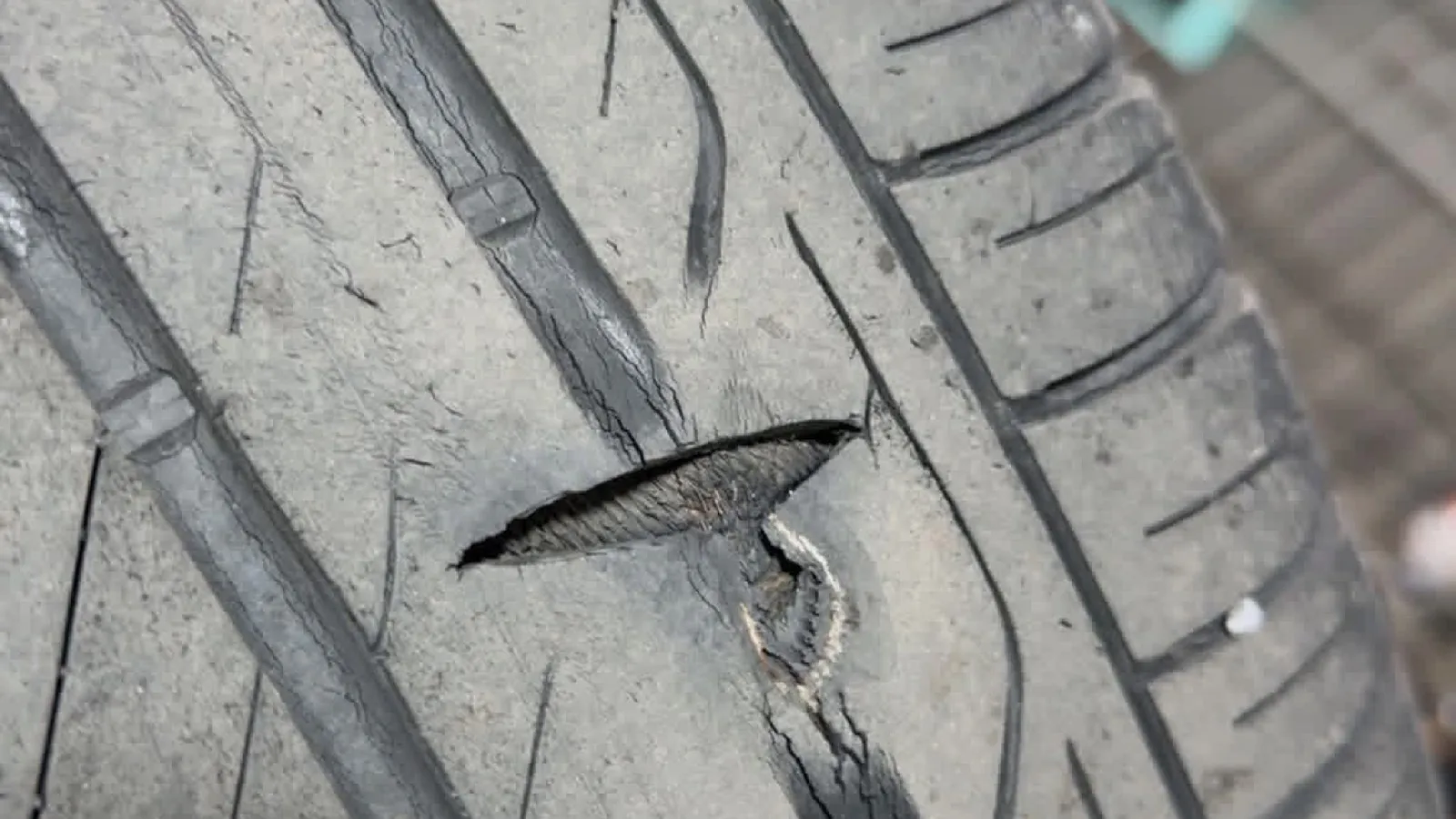
It will not fix a cut in the sidewall. It will not fix a big gash, a tyre that came off the rim, or a blowout. Sealant cannot hold air in a tear, and trying wastes time at the roadside.
Even when it works, it is a stop gap. Keep to the speed on the kit label and get the tyre looked at soon. Tell the fitter you used sealant, because it has to be cleaned out before a proper repair. Sealant also has a use by date, so check the bottle. An out of date one may not seal at all. More on the long term options in self sealing tyres.
Then you can usually keep going, slowly. A run flat has a stiff sidewall that holds the car up with no air inside. The dash light tells you a tyre is down, because you may not feel it.
Check the handbook for the limit. Many makers quote around 50 miles at up to 50mph, but it varies by car and by load. Use that distance to reach home or a safe car park, not to finish the trip.
After that, the tyre often needs replacing rather than repairing. Driving on it with no air can damage it inside, where you cannot see. We fit run flats at the car, so there is no need to limp to a garage. Read how run flats work for the detail.

Then the tyre stays where it is and help comes to you. Do not drive on a flat to reach a garage. A few hundred yards at walking pace to get off a busy road is the limit. Any further and the tyre is ruined and the wheel rim can bend.
Recovery can tow the car to a garage, but then you wait twice: once for the truck and again at the garage. A mobile fitter skips both. We bring a new tyre that fits, fit it where the car is, and you drive off.
Send the size from the sidewall, or just the registration, and where the car is. We send back a fitted price and a time. In our core area we reach drivers in around 32 minutes on average. See emergency tyre fitting for how a call out works.
The questions that usually come next.
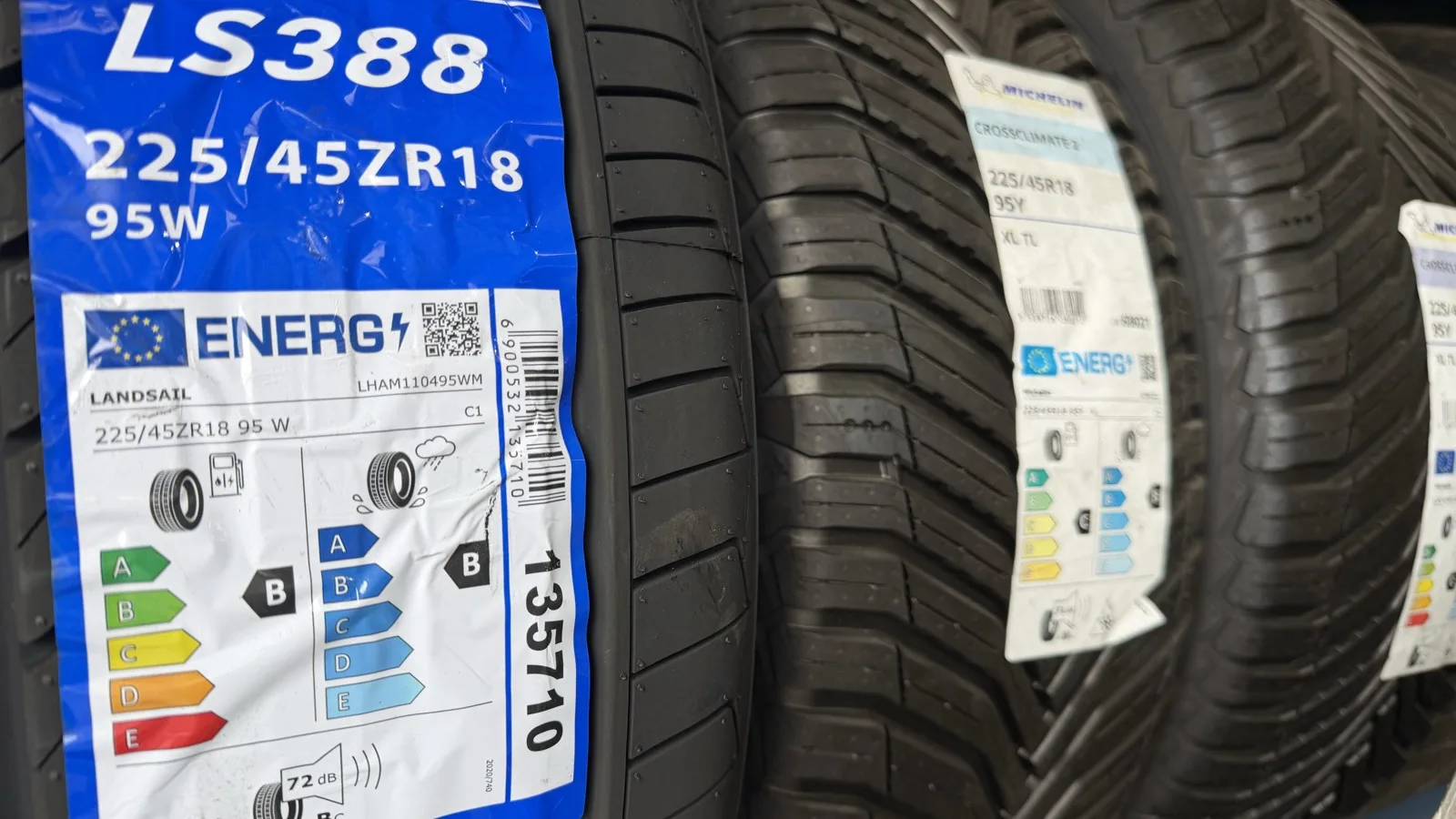 Flat tyre: what to doThe first ten minutes, step by step.Read the guide →
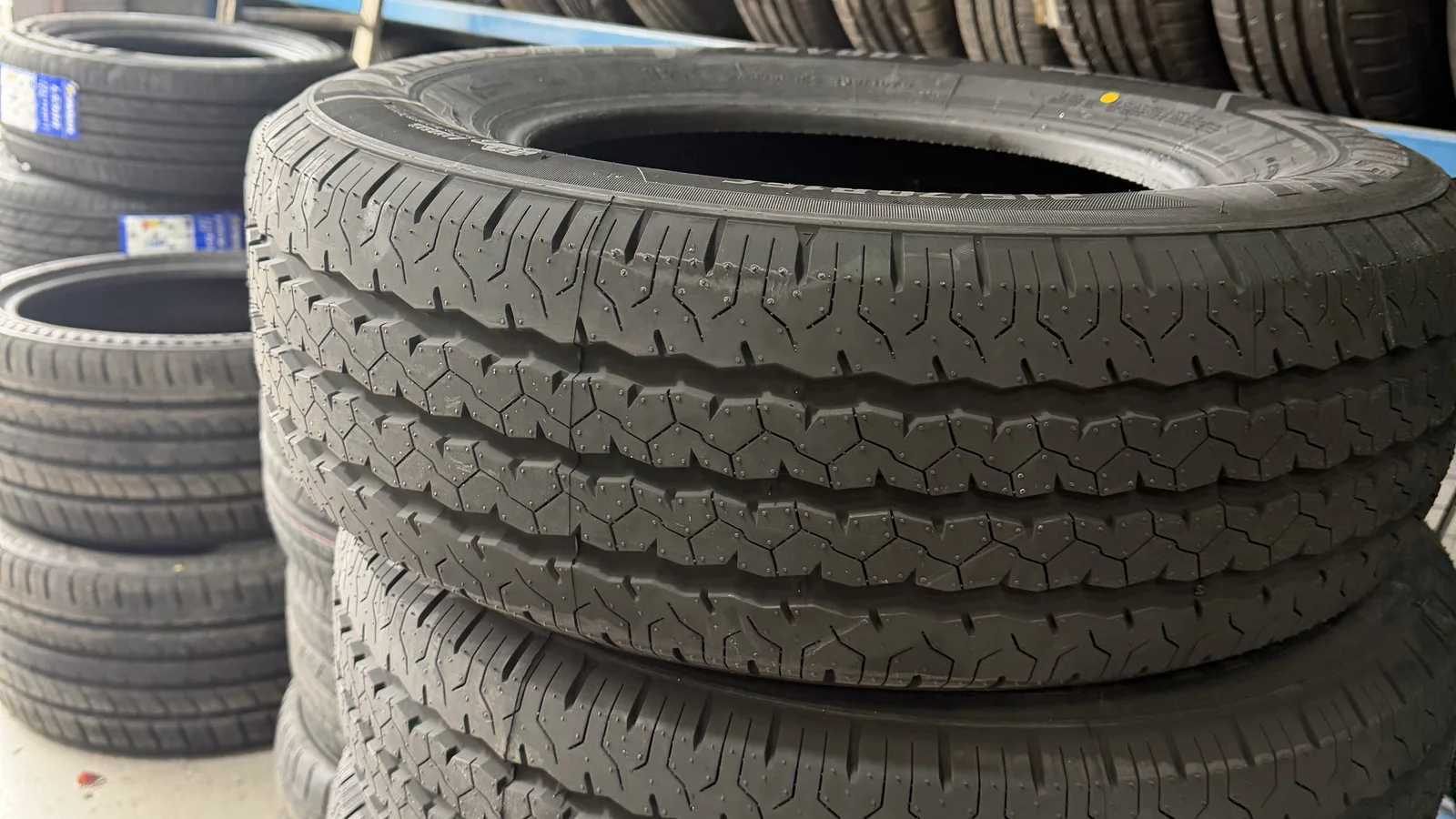 Spare, run flat or sealant?Three ways a car copes with a flat.Read the guide →
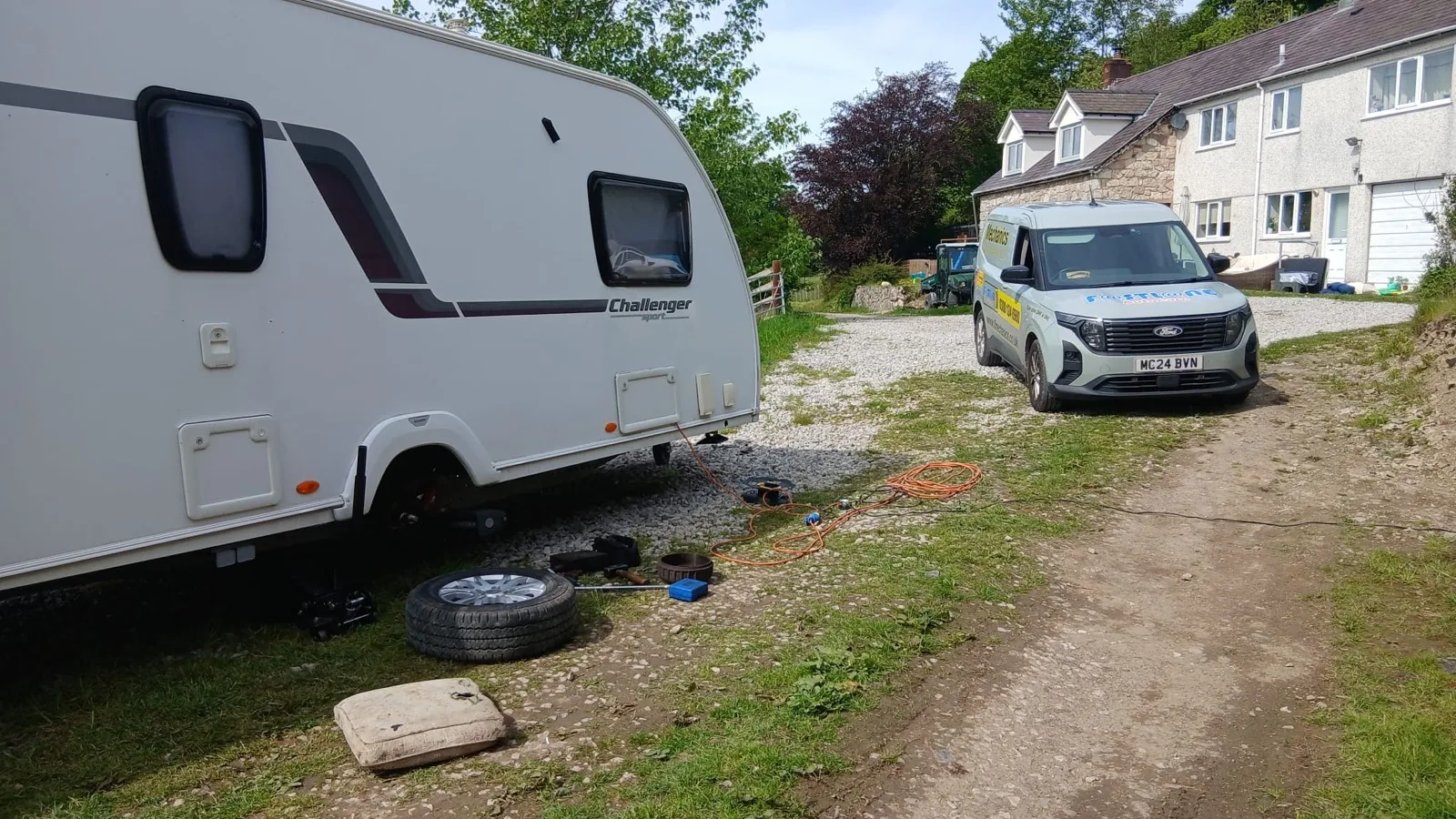 Run flat tyres explainedWhat they do after a puncture.Read the guide →
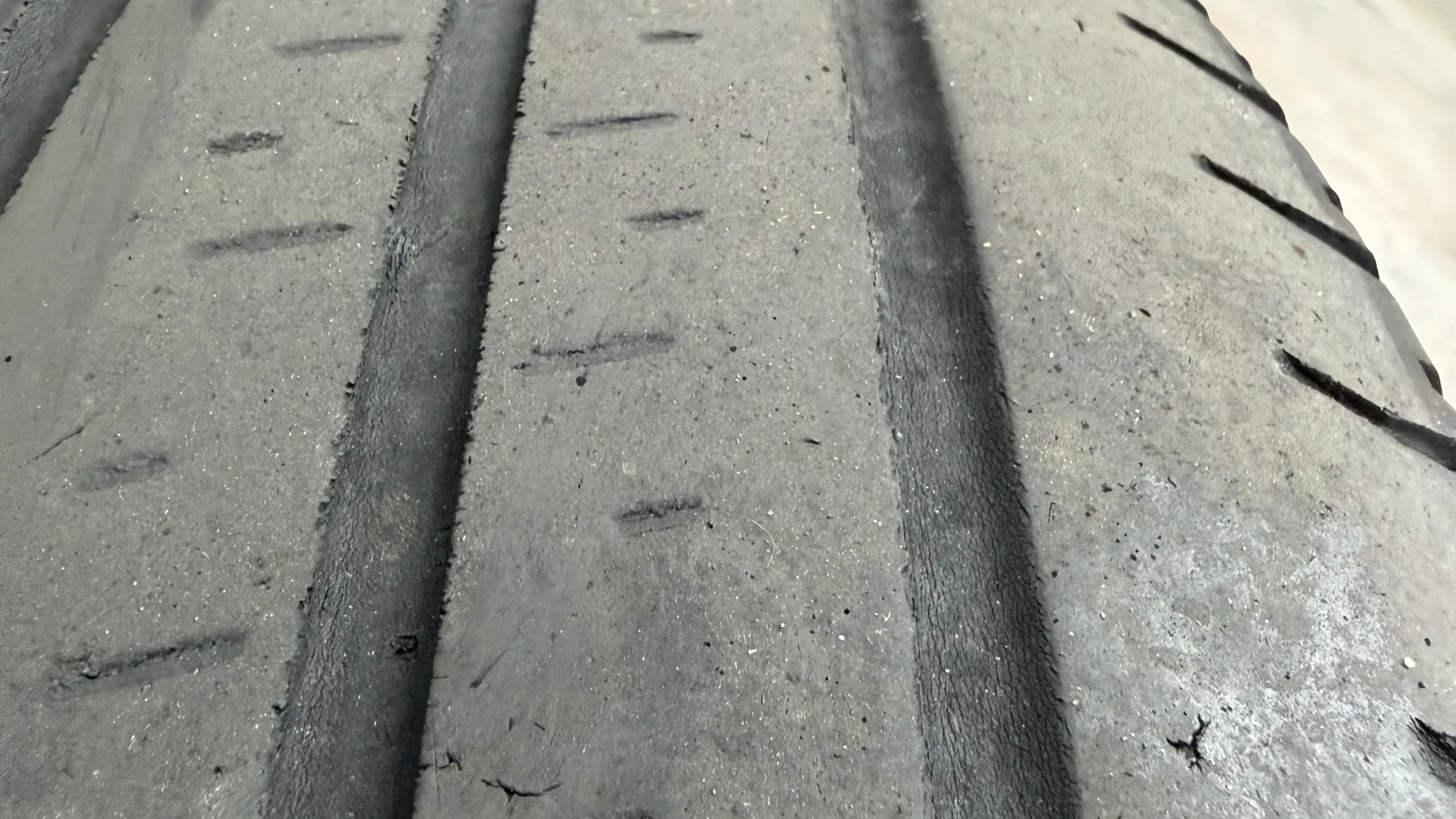 Emergency tyre fittingStuck now? A fitter on shift, day or night.Read the guide →
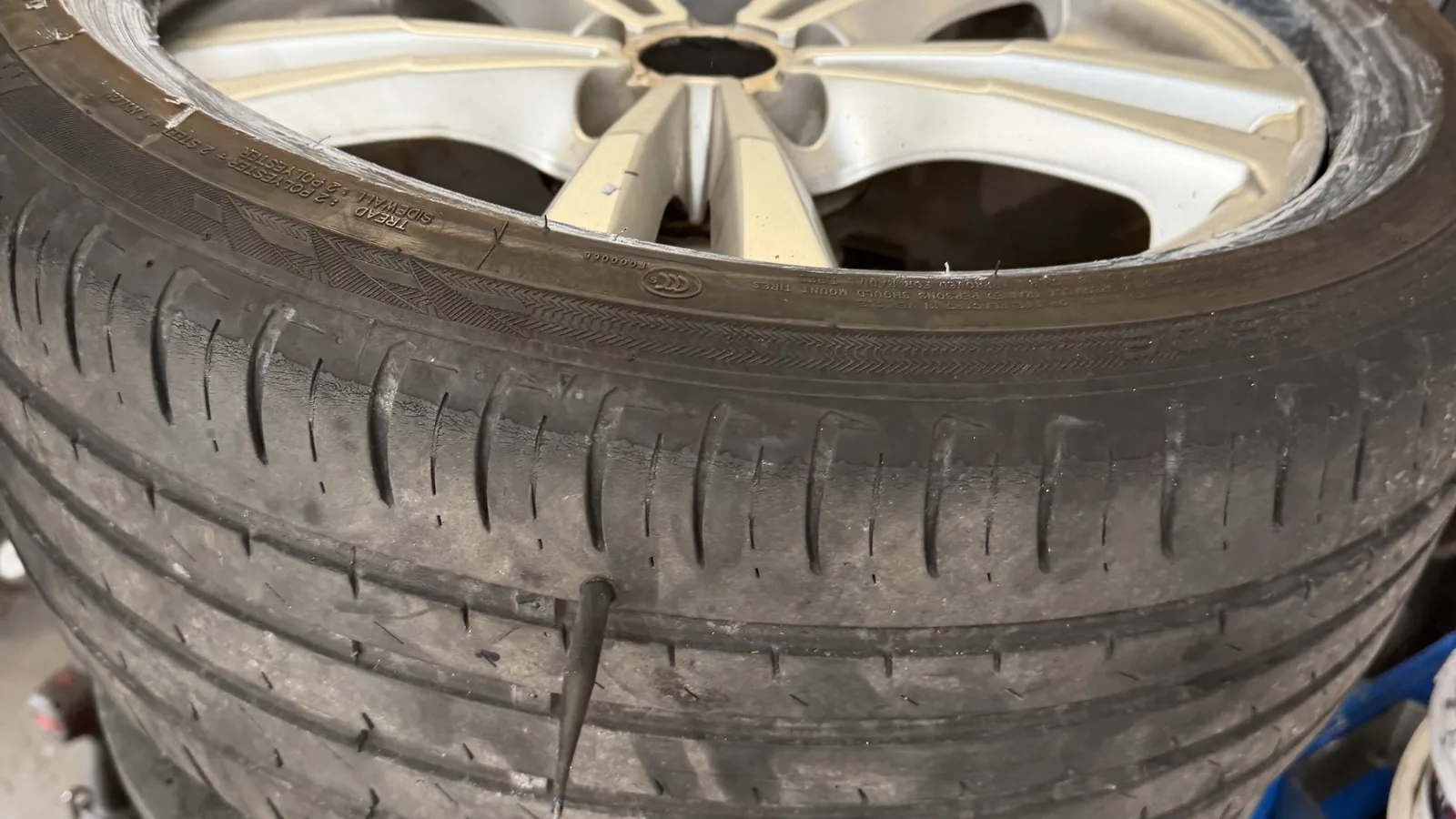
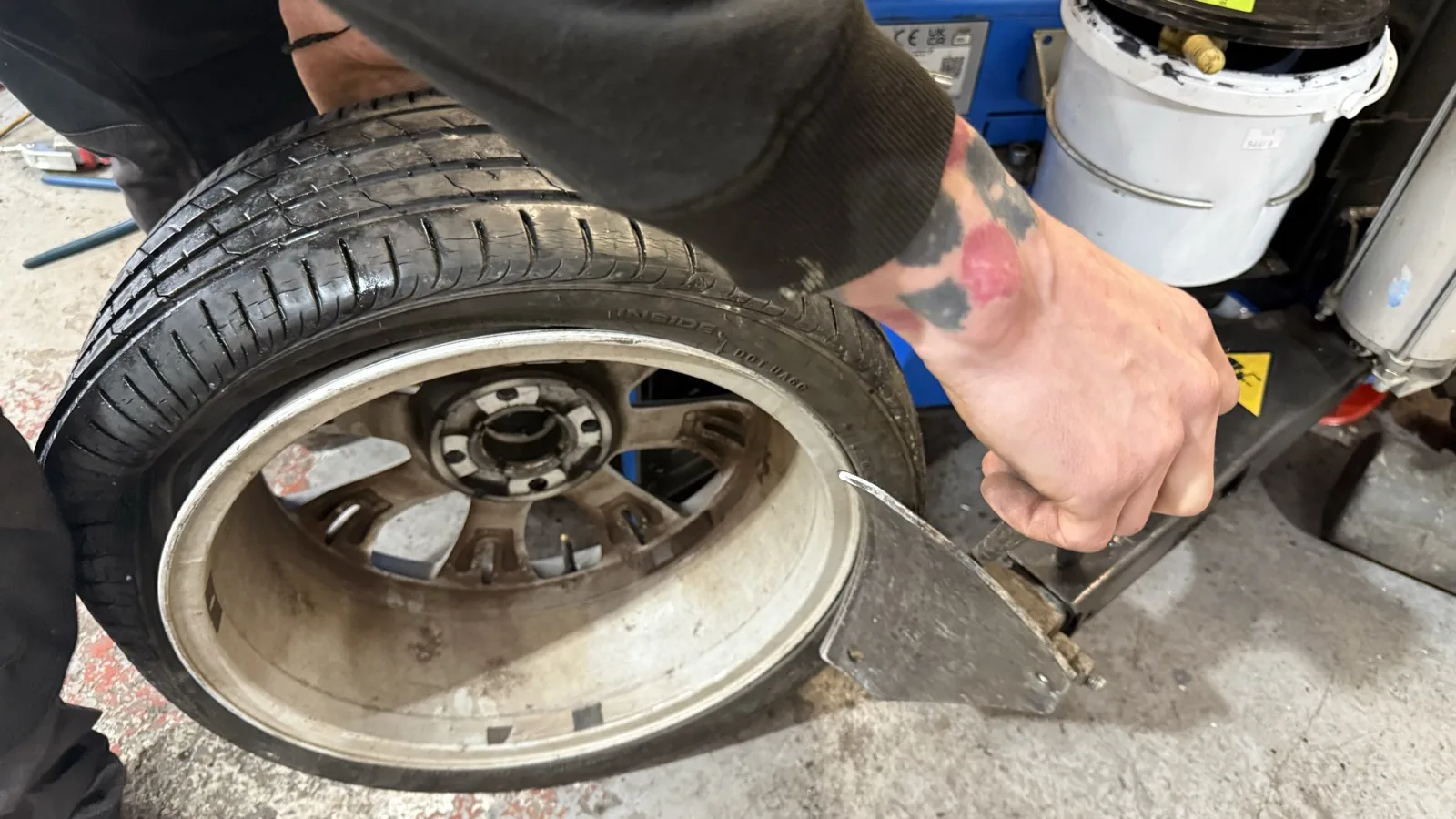 Puncture repairs at your doorBS AU 159 repairs from £39.95, done at the car.Read the guide →
 How to change a wheelSafely, with the spare, step by step.Read the guide →
Match the fix to the damage. That is the whole trick.
For a small hole in the tread only. Seals it for a short, slow drive. Not for sidewall cuts or blowouts.
Drive on slowly for a limited distance. Check the handbook for how far and how fast.
Works for any damage. A new tyre is brought to the car and fitted where it stands, day or night.
Five minutes now saves an hour at the roadside later.
See what you actually have. A spare, a sealant kit, or nothing. Many drivers only find out on the day they need it.
Sealant bottles have a use by date printed on them. An old one may not seal. Replace it if it has passed.
If the wheels have locking nuts, the key must be in the car. No key, no wheel off. Keep it in the glovebox.
Check the sidewall for a run flat code and the handbook for the distance limit, so you know before you need it.
Put 0300 124 6981 in your phone now. When a tyre goes flat in the rain you will not want to hunt for it.
It is on the sidewall, for example 205/55 R16. Take a photo. It saves time when you ask for a price.
What happens after you message, wherever the car is parked.
Send the location and the size or registration. A pin on WhatsApp is perfect. We reply with a fitted price and how long we will be.
Keep well away from traffic. On a busy road, wait behind a barrier. You do not need to do anything to the car before we arrive.
The fitter takes the flat off, fits the new tyre, balances the wheel and sets the pressure. It takes about 20 to 40 minutes per tyre.
No space saver, no sealant, no speed limit to worry about. A proper tyre on the car, and the damaged one goes away on the van.
4.4★★★★★average rating on Google
Got us out of an unfortunate place of a Luton van blowout, super quick helpful and fairly priced!
Stranded in a car park with no spare! Called and they came within the hour, changed the tyre and was on my way 20 minutes later. Great service, delighted they made it so easy.
Brilliant service, same day, quick and easy. Was really rushed for time and they moved things around to ensure they got to me to get it fixed. Would defo recommend
Send the location and your registration. A fitter on shift replies with a price and a time, and brings the tyre to you.
A fitter is out on the road as you read this. Send the size now and the next free slot is yours, at the same price whatever the hour.
What drivers ask when the boot turns out to be empty.
Pull over somewhere safe, put the hazards on and get everyone away from traffic. Then check what the car has: a sealant kit, run flat tyres or nothing. A kit only fixes a small hole in the tread. For anything else, call a mobile fitter who brings a new tyre to you.
Do not try to drive to a garage on the flat. It takes a repairable tyre and makes it scrap, and it can bend the wheel rim too. A few hundred yards at walking pace to get off a busy road is fine. Beyond that, stop. Wet grass, a dark verge or a bend is no place to work on a car, so pick the safest spot you can reach. The flat tyre step by step guide covers exactly what to do in the first ten minutes, including on a motorway.
Once you are safe, send us where the car is and the tyre size or registration. We send back a fitted price and a time, and there is no call out charge on top. We cover 2,700+ areas across the North West and North Wales, 24 hours a day. Rather talk? Call 0300 124 6981 and a fitter picks up.
No. It is not illegal to drive without a spare tyre in the UK, and you cannot fail an MOT for having no spare. Many new cars come without one. What the law does check is the tyres on the road: tread, damage and pressure. If you carry a spare and use it, it must be legal too.
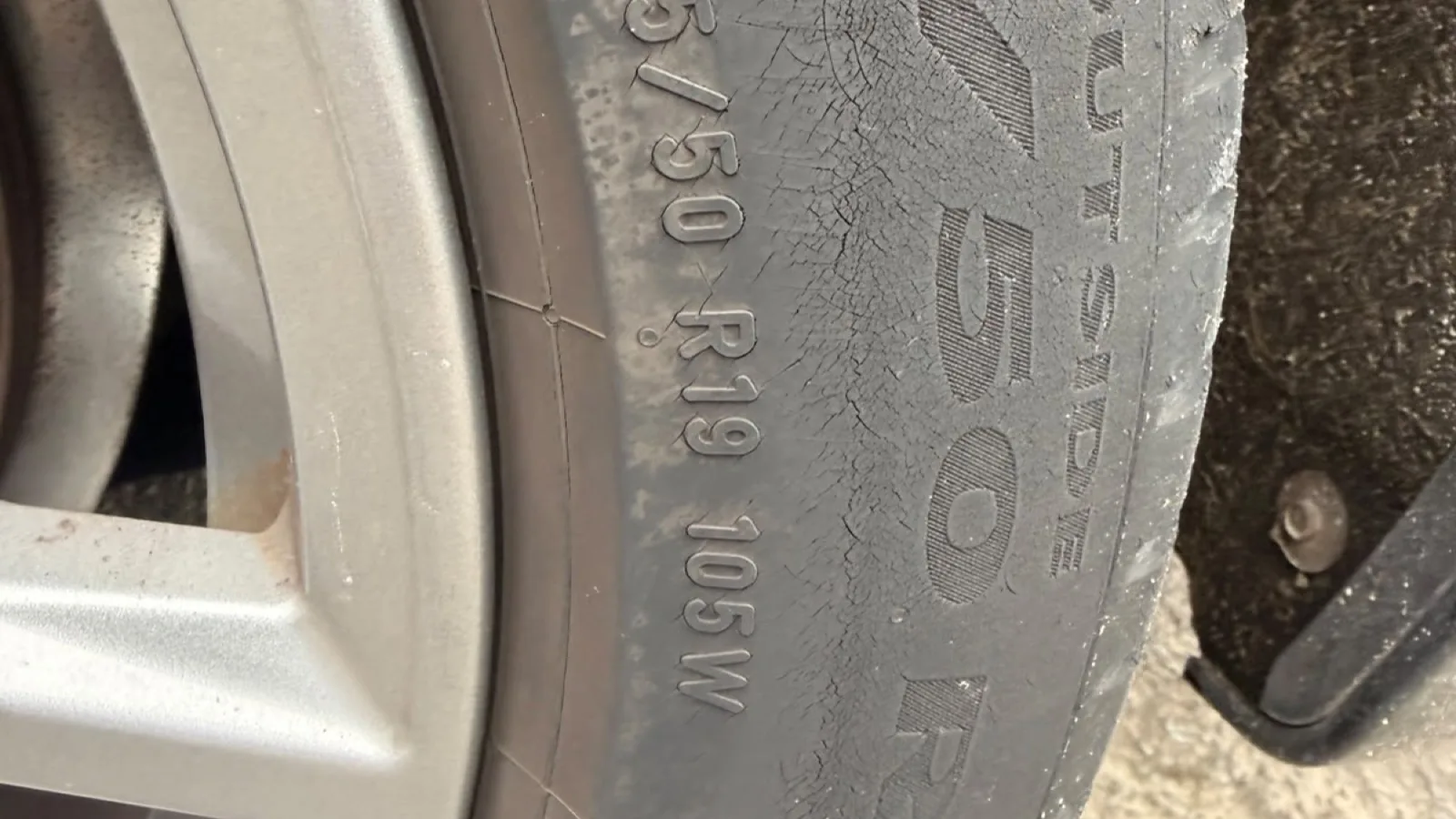
That means a spare that has sat in the boot for ten years needs a look. Rubber cracks with age even when it is never used. A cracked or flat spare is worse than no spare, because you only find out at the roadside. If yours is more than a few years old, have a look at the date code on the sidewall. Our guide to cracked and perished tyres shows what old rubber looks like.
The rules for the tyres on the road are simple. At least 1.6mm of tread across the central three quarters, all the way round. No cuts to the cords, no bulges. Up to £2,500 and 3 points for each tyre that fails. Read UK tyre law for the full list, or call 0300 124 6981 if a tyre looks wrong.
New cars often skip the spare wheel to save weight, cost and boot space. Less weight helps the official fuel and emissions figures. On many electric and hybrid cars the battery sits where the spare used to be. In its place you get a sealant kit and a pump, or run flat tyres, or sometimes nothing.
It suits car makers more than drivers. A sealant kit is light and cheap, but it cannot deal with a sidewall cut or a blowout. Run flats get you home, but they cost more to replace and can ride a bit firmer. And some cars get nothing at all, which catches out a lot of drivers. The spare, run flat or sealant guide sets out what each one really does for you.
Some drivers buy a space saver spare and jack for the boot. Check it fits over the brakes on your car, and that there is room for it. Others keep our number and let the van do the work. Either way, know your plan before you need it. See emergency tyre fitting or call 0300 124 6981.
No. A tyre sealant kit only works on a small hole in the main tread, usually from a nail or a screw. It cannot seal a cut in the sidewall, a large gash, a tyre that has come off the rim, or a blowout. Even when it works, it is a short term fix to get you somewhere safe.
If the tyre will not hold air after the kit, stop trying. Pumping a tyre with a split in it wastes the sealant and your time. Look at where the damage is. On the sidewall or near the edge? A kit will not help. Neither will more air from the pump. The honest answer is a new tyre, fitted where the car is. Our nail in tyre guide explains why the spot matters so much.
If it does seal, drive gently and keep under the speed on the kit label. Get the tyre checked soon. Tell the fitter you used sealant, because it has to be cleaned out before any proper puncture repair. Not sure it worked? Send us a photo on WhatsApp or call 0300 124 6981.
Most run flat tyres are made to go a limited distance at reduced speed after a puncture. Many makers quote around 50 miles at up to 50mph, but the true figure depends on the car, the tyre and the load. Your handbook has the number for your car. Treat it as a way home, not a way to finish the trip.
The car tells you a run flat is down through the tyre pressure light. You may not feel it at all, which is the point. Do not ignore the light. Slow down and plan the next few miles. Pick the nearest safe place to stop, not the furthest one you might reach. Our guide to the tyre pressure warning light explains what it means when it comes on.
Once a run flat has been driven with no air, it often needs replacing, not repairing. The inside can be damaged where you cannot see it. We fit run flats at home, at work or at the roadside, so there is no need to crawl to a garage. Read run flat tyres explained or call 0300 124 6981.
No, not on a normal tyre. Driving on a flat destroys the tyre within a short distance and can bend or crack the wheel rim. It also makes steering and braking unsafe. Only move far enough, at walking pace, to get off a busy road. Run flat tyres are the one exception, and only within their limits.
A flat tyre folds under the rim as it turns. The sidewall gets crushed and heats up. A puncture that could have been a simple repair becomes a new tyre, and sometimes a new wheel as well. It can also pull the car sideways under braking, which is the last thing you want on a busy road. The puncture repair rules explain why a tyre driven flat is usually scrap. It is one of the most common ways a cheap fix turns into a dear one.
Home might be a mile away. It still is not worth it. Stay where you are, somewhere safe, and let the tyre come to you. We fit at the kerb, on the drive or in a car park. See mobile tyre fitting for how it works, or call 0300 124 6981 now.
Yes. That is exactly when a mobile fitter helps most. We bring a new tyre in your size to wherever the car is, take the flat off and fit the new one there. You never need a spare, a jack or a sealant kit. Home, work or the roadside, 24 hours a day, 365 days a year.
The van carries the common sizes, so most jobs are fitted on the first visit. For less common sizes we tell you honestly when we can get one, rather than guess. Send the size from the sidewall or just the registration, and we check. A photo of the damage helps too, so we know whether a repair is likely before we arrive. Our tyre sizes page lists the sizes we fit most.
There is no call out charge, because fitting is priced into the tyre. The price we send is the price you pay at the car. In our core area we reach drivers in around 32 minutes on average. See where we cover or call 0300 124 6981 to check your spot.
Often, yes, because the fitter fixes the problem where the car is. Recovery usually means waiting for a truck, then waiting again at a garage while they find a tyre and fit it. A mobile fitter brings the tyre and fits it on the spot, so there is one wait and you drive away.
Breakdown cover is still worth having. If the car has a wider fault, or it is stuck somewhere unsafe to work, recovery is the right call. On a motorway hard shoulder, call for help and wait behind the barrier. Nobody should change a wheel there. The traffic is too close and too fast, however careful you are. Our motorway blowout guide covers that case.
For a flat on a street, a drive, a car park or a safe lay by, the tyre is the only problem. So bring the tyre. No tow truck, no garage queue and no second trip to collect the car later. About 20 to 40 minutes per tyre once we arrive, with the wheel balanced and the pressure set. Read emergency fitting or call 0300 124 6981.
Keep the sealant kit and pump, the locking wheel nut key, a torch, a warning triangle and a charged phone. Add a high visibility vest and a warm layer for winter nights. Save a mobile tyre fitter number too. None of it takes much room, and it turns a bad night into a short wait.
The locking nut key is the one people forget. Without it, nobody can take the wheel off quickly, us included. It usually lives in the glovebox or under the boot floor. Check it is there today. Put it back in the same place every time the wheels come off. If it is lost, read lost locking nut key before you need a tyre.
Only use a warning triangle where it is safe to walk back and place it. Never on a motorway. Keep a note of your tyre size too, for example 205/55 R16. A photo of the sidewall on your phone does the job. It makes the first message to a fitter quicker. Our guide to reading your tyre size shows where to find it. Or call 0300 124 6981.
It can be worth it if you drive long distances, tow, or often travel where help is far away. A space saver spare and jack give you a way out of a sidewall cut that a sealant kit cannot fix. Check it clears the brakes on your car and fits in the boot before you buy.
A space saver is a narrow temporary wheel. It has a lower speed limit printed on it, often 50mph. It is for getting to a tyre fitter, not for weeks of driving. It also wears fast and handles differently from your other tyres. Our guide on how to change a wheel walks through fitting one safely, on firm, flat ground away from traffic.
If most of your driving is local, you may not need it. Town drivers are rarely far from help, and a space saver just eats boot space. A fitter who comes to you does the same job without the weight in the boot. Weigh up the options in spare vs run flat vs sealant. Want a straight view on your car? Call 0300 124 6981.
A flat tyre can often be repaired if a small object made a hole in the central tread and the tyre was not driven on flat. Damage to the sidewall or shoulder, a large hole, or a tyre driven on with no air means a new tyre. The only way to be sure is to take it off and check inside.
We repair to the British Standard BS AU 159 for £39.95. The tyre comes off the rim, gets inspected inside, and the hole is sealed from the inside. That standard allows repairs in the central three quarters of the tread, up to 6mm. Our puncture repair page explains the process step by step.
If the tyre cannot be repaired safely, we tell you and fit a new one there and then. No second visit. That is why it helps to send the size before we set off. A tyre can look fine from outside and still be damaged on the inner liner, so we always check. See can a puncture be repaired for the full rules, or call 0300 124 6981.
It can make a repair harder, but it does not always rule one out. The sealant has to be cleaned out of the tyre and off the wheel before the fitter can inspect inside and fit a proper repair. Some sealants also coat the pressure sensor, so tell the fitter you used a kit.
Most kit instructions say to get the tyre checked soon after use. Do that. Sealant holds air for a short while. It is not a repair, and it does not meet the repair standard. Drive gently until the tyre is looked at, and check the pressure again after a few miles. Our guide on slow punctures explains what happens when a tyre keeps losing air after a quick fix.
When we arrive, we take the tyre off and look inside. If the hole is in the right place and the tyre is sound, we repair it. If not, we fit a new one. Either way you know before we start. If the pressure light stays on afterwards, see TPMS sensors or call 0300 124 6981.